
Afternoon Fatigue: The Hidden Reason Behind Energy Drops
Almost everyone knows the feeling. The day starts fine, productivity feels manageable, and energy seems stable. Then, sometime between early and mid-afternoon, everything changes. Focus drops, the body feels heavier, and motivation fades.
This daily energy crash is so common that many people accept it as normal. Coffee becomes the solution. Sugar becomes the backup plan. Still, the fatigue returns day after day.
However, the real reason behind afternoon fatigue is often misunderstood.
Why Afternoon Fatigue Feels So Predictable
The timing of afternoon fatigue is rarely random. Most people experience it within the same window every day. Because it happens consistently, it feels unavoidable.
Yet, what feels predictable is not always natural.
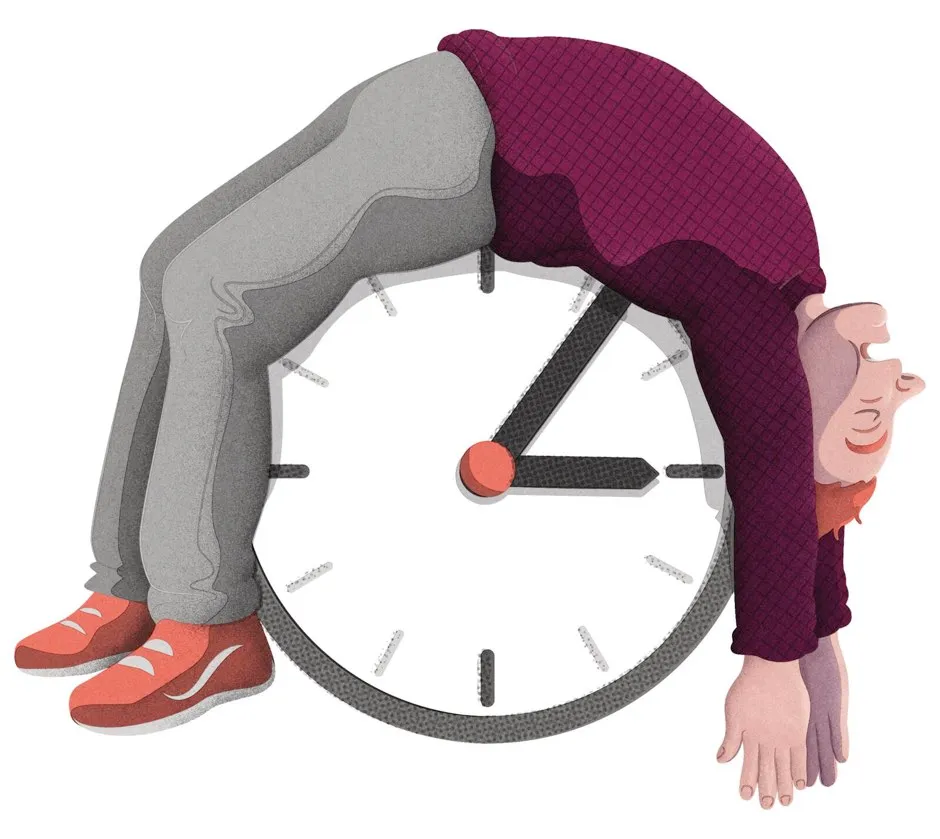
This energy drop is usually the result of multiple small factors stacking together. Individually, none seem serious. Combined, they quietly drain energy right when the day demands the most focus.
The Common Misconception About Afternoon Tiredness
Many believe afternoon fatigue happens because of lunch or poor sleep. While both can play a role, they are rarely the main cause.
In reality, people who sleep well and eat balanced meals still experience this crash. That contradiction is what makes the fatigue frustrating.
The truth is simpler—and more subtle.
🔗 https://www.parsleyhealth.com/blog/what-i-do-when-im-feeling-heavy-tired-and-toxic
The Hidden Role of Mental Overload
By the time afternoon arrives, the brain has already processed hours of information. Emails, conversations, decisions, screens, and background stress all add up.
Although none feel exhausting alone, mental effort accumulates throughout the day. As a result, the brain begins conserving energy.
This conservation shows up physically as:
-
Heaviness
-
Slower thinking
-
Reduced motivation
Afternoon fatigue is often mental exhaustion expressed through the body.
Why Energy Drops Even Without Physical Effort
Many people assume fatigue requires physical activity. However, mental effort consumes energy too.
Sitting at a desk all day doesn’t protect against fatigue. In fact, prolonged focus without recovery can be more draining than light movement.
Because the body stays still while the brain works nonstop, energy imbalance builds silently.
The Impact of Continuous Stimulation
Modern routines rarely include true breaks. Even during pauses, people check phones, read messages, or scroll content.
This means the brain never fully disengages.
Without moments of low stimulation, the nervous system remains slightly activated all day. Eventually, the body responds by slowing everything down.
That slowdown usually hits in the afternoon.
Blood Sugar Isn’t Always the Culprit
While blood sugar fluctuations are often blamed, they don’t explain every case. Many people experience fatigue regardless of what they eat.
The missing factor is how energy is managed—not just how it’s fueled.
Energy drops occur when output exceeds recovery, even if nutrition is adequate.
Why Caffeine Stops Working
Caffeine can temporarily mask fatigue, but it doesn’t solve the cause. Over time, relying on stimulants can make energy crashes feel stronger once they wear off.
Instead of restoring energy, caffeine often delays the body’s signal that rest or adjustment is needed.
That’s why the crash often returns later in the day—sometimes worse than before.

The Connection Between Focus and Fatigue
Sustained focus without interruption drains mental reserves. When attention is held too tightly for too long, fatigue builds quietly.
In the afternoon, the brain naturally seeks relief.
If relief isn’t provided through rest or movement, fatigue becomes unavoidable.
Why Short Breaks Matter More Than Long Ones
Many people wait for long breaks that never come. However, energy recovery doesn’t require extended rest.
Short pauses—just a few minutes—can reset mental load if they involve low stimulation.
Examples include:
-
Standing and stretching
-
Walking briefly
-
Sitting quietly without screens
These micro-breaks prevent energy collapse later.
The Role of Posture and Stillness
Sitting for long periods affects circulation. When blood flow slows, oxygen delivery decreases slightly, contributing to heaviness and sluggishness.
Even subtle posture changes can improve circulation and reduce fatigue.
Movement doesn’t need to be intense—just consistent.
Why Afternoon Fatigue Feels Worse Some Days
Not all days are equal. Stress levels, sleep quality, screen exposure, and emotional load vary.
On days with higher mental demand, fatigue arrives earlier and feels stronger. On lighter days, it may be barely noticeable.
This variability often makes the fatigue feel unpredictable, even though the pattern is consistent.
Small Adjustments That Reduce Energy Crashes
Solving afternoon fatigue doesn’t require a full routine overhaul. Small adjustments often have the biggest impact.
Helpful changes include:
-
Short movement breaks every hour
-
Reduced screen use during breaks
-
Brief moments of silence
-
Hydration reminders
These adjustments support recovery before fatigue sets in.
Why Awareness Comes Before Energy
Trying to “push through” fatigue rarely works. Awareness allows prevention.
Once you recognize early signs—slower thinking, heaviness, restlessness—you can respond before the crash deepens.
Ignoring the signals only trains the body to shut down harder later.
When Afternoon Fatigue Shouldn’t Be Ignored
Occasional fatigue is normal. However, constant daily crashes may indicate deeper imbalance.
If fatigue becomes overwhelming or affects daily functioning, professional guidance may be helpful. Lifestyle explanations cover many cases—but not all.
Listening early matters.
The Bigger Lesson Behind Afternoon Fatigue
Afternoon fatigue isn’t weakness. It’s feedback.
The body signals that output has exceeded recovery. When those signals are respected, energy stabilizes. When ignored, fatigue intensifies.
The solution is rarely more effort—usually, it’s better balance.
Final Thought
Afternoon energy drops don’t happen without reason. They result from how the day is structured, how the mind is used, and how little recovery is allowed.
By making small, consistent adjustments, many people find that afternoons no longer feel like a battle.
Energy isn’t lost suddenly—it’s spent quietly.