Experts Warn About a Growing Daily Habit in 2026
In 2026, daily routines look very different from just a few years ago. Technology has become faster, information more constant, and habits more automatic. While many of these changes bring convenience, experts are now warning about one daily habit that is growing rapidly—and quietly affecting millions of people.
What makes this habit concerning is not how extreme it is, but how normal it feels. Most people practice it every day without questioning its long-term impact. Because it blends so easily into modern life, it often goes unnoticed.
However, according to experts, that familiarity may be exactly why it’s becoming a problem.
The Habit That Feels Harmless at First
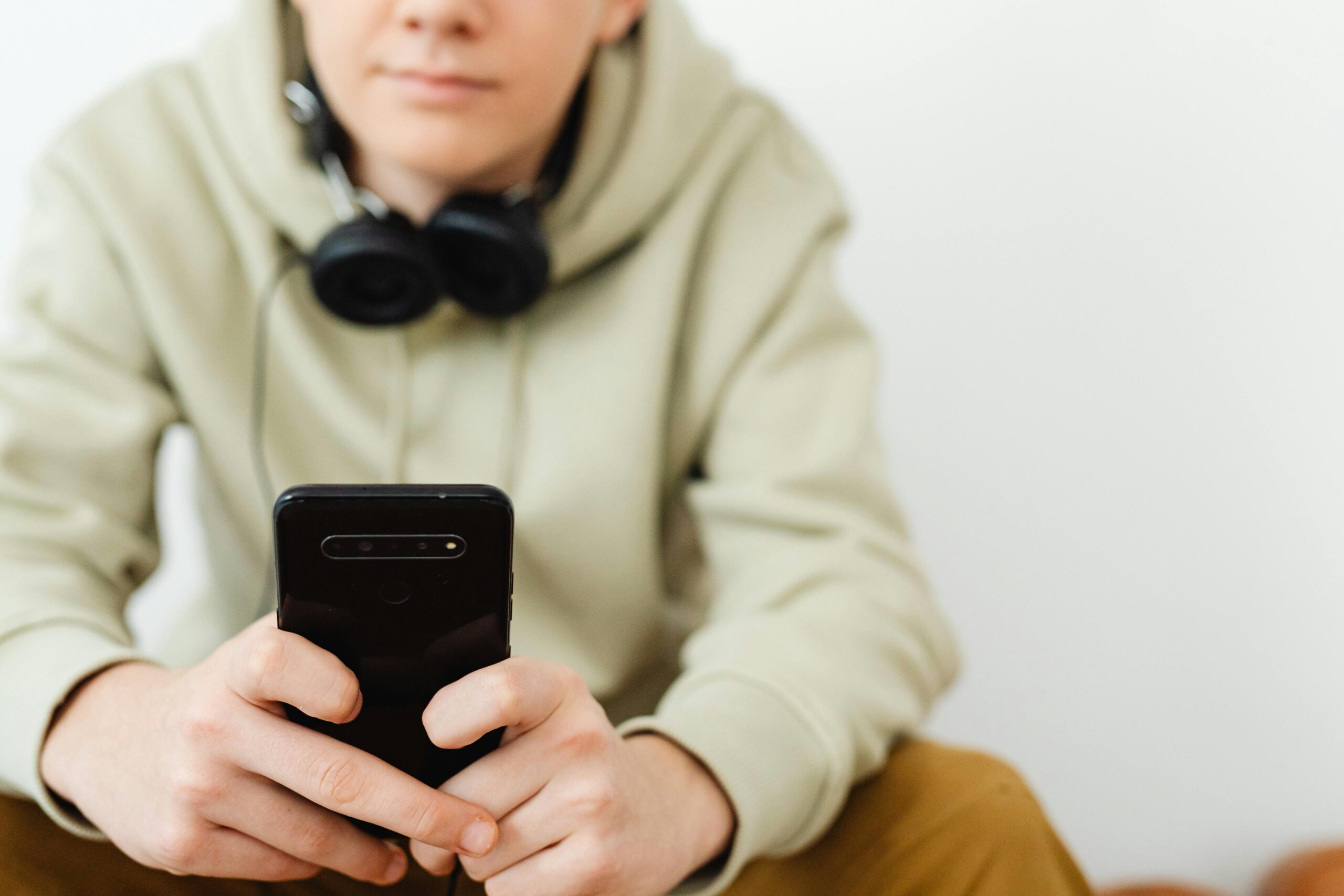
The habit experts are warning about isn’t new technology or a single app. Instead, it’s the constant, unbroken exposure to digital stimulation throughout the day.
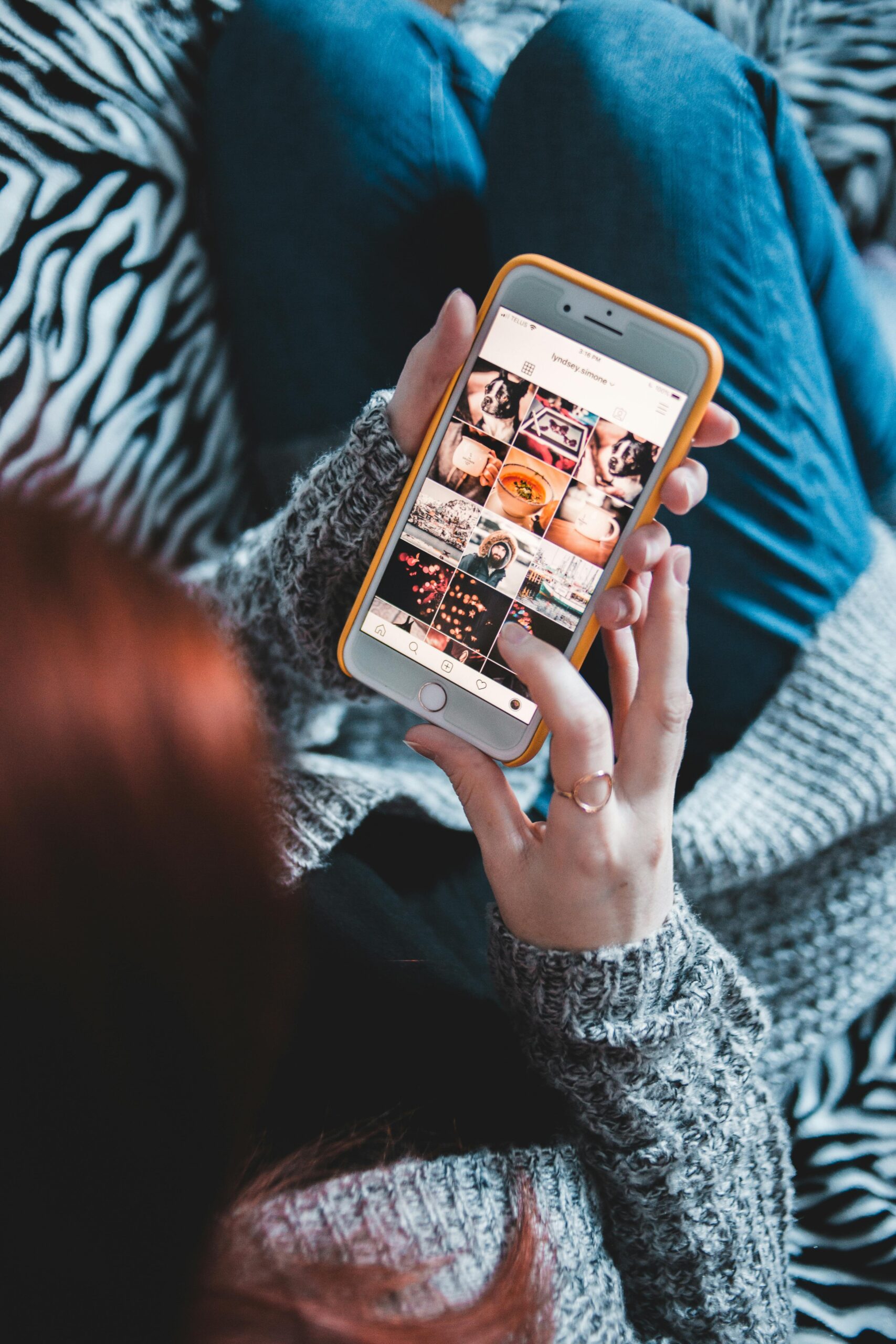
From the moment people wake up to the moment they fall asleep, screens rarely leave their sight. Notifications, short videos, messages, and endless content streams fill nearly every pause.
At first glance, this doesn’t seem dangerous. After all, people are simply staying connected. Yet experts suggest that the issue isn’t connection—it’s the lack of mental downtime.
🔗: Experts Warn About a Growing Daily Habit in 2026
Wy This Habit Is Growing So Fast in 2026
Several factors have accelerated the growth of this habit:
-
Faster devices and platforms
-
Short-form content designed for constant engagement
-
Remote work and digital communication
-
Social pressure to stay responsive
As a result, many people now feel uncomfortable with silence or inactivity. Any free moment becomes an opportunity to check a screen.
Over time, this behavior becomes automatic.
The Hidden Cost of Constant Stimulation
Experts explain that the human brain was not designed for nonstop input. While it can handle high stimulation for short periods, continuous exposure without recovery creates strain.
This strain often shows up as:
-
Reduced focus
-
Mental fatigue
-
Lower motivation
-
Difficulty relaxing
Because these symptoms develop gradually, people rarely connect them to the habit itself.
Why People Don’t Realize It’s a Problem
One reason this habit goes unnoticed is that it doesn’t feel negative in the moment. Scrolling, checking updates, and consuming short content often provide brief satisfaction.
However, experts warn that short-term comfort can mask long-term effects.
By the time people notice changes in focus or energy, the habit is already deeply ingrained in daily routines.
How This Habit Affects Focus and Attention
According to experts, attention is shaped by how it’s used. Constant switching between content trains the brain to expect rapid stimulation.
As a result, sustained focus becomes harder. Tasks that require deep concentration feel exhausting much faster than before.
This doesn’t mean attention is lost—it means it has been retrained.
The Impact on Energy Levels
Although the habit is mental, its effects are physical as well. Constant stimulation keeps the nervous system slightly activated all day.
Without moments of true rest, the body struggles to recover energy. Over time, this leads to:
-
Afternoon crashes
-
Persistent tiredness
-
A feeling of heaviness
Energy isn’t necessarily missing—it’s being drained continuously.
Why Breaks No Longer Feel Restful
In the past, breaks meant disengaging. Today, breaks often involve more screen time.
Experts point out that checking phones during breaks prevents the brain from entering a low-stimulation state. Instead of resting, the mind keeps working.
As a result, breaks stop functioning as recovery periods.
The Social Side of the Habit
Social expectations also play a role. Being constantly available is often seen as normal or even required.
Many people fear missing messages or falling behind. This pressure reinforces the habit, making it harder to step away without guilt.
Over time, the line between choice and obligation becomes blurred.
Why This Matters More in the Long Term
Experts emphasize that the concern isn’t about occasional screen use. It’s about never allowing mental rest.
When the brain doesn’t experience regular downtime, stress accumulates. Over months and years, this can affect productivity, creativity, and overall well-being.
The effects are subtle—but cumulative.
Small Signs Experts Say to Watch For
Experts suggest paying attention to early signs, such as:
-
Difficulty focusing on one task
-
Feeling mentally tired without clear reason
-
Needing constant stimulation
-
Trouble relaxing even during free time
These signals often appear before more noticeable problems develop.
How Small Changes Can Reduce the Impact
The good news is that addressing this habit doesn’t require drastic measures. Experts recommend small, realistic adjustments.
Helpful steps include:
-
Creating screen-free moments
-
Taking breaks without devices
-
Limiting notifications
-
Allowing short periods of boredom
These changes help restore balance without cutting off technology entirely.
Why Awareness Is More Important Than Rules
Experts stress that strict rules often fail. Awareness, on the other hand, leads to sustainable change.
Once people recognize how often they default to stimulation, they can make intentional choices. Without awareness, the habit continues automatically.
Understanding comes before control.
Is This Habit the Same for Everyone?
Not everyone experiences the effects equally. Individual tolerance, workload, and lifestyle all play a role.
However, experts agree that the overall trend is clear. As digital stimulation increases, mental recovery decreases.
That imbalance is what makes this habit worth paying attention to.
The Bigger Picture Experts Want People to See
The warning isn’t about rejecting technology. It’s about using it without losing balance.
Technology is a tool. When it fills every quiet moment, it stops being supportive and starts becoming demanding.
Experts believe that reclaiming small moments of mental rest can make a meaningful difference.
Final Thought
In 2026, one of the fastest-growing daily habits isn’t obvious or extreme. It’s quiet, familiar, and widely accepted.
Experts warn not because the habit is new—but because its effects are cumulative. The earlier it’s recognized, the easier it is to adjust.
Sometimes, protecting focus and energy starts with doing less—not more.