4 Microwave Mistakes Experts Say You Should Avoid
Microwaves have become one of the most commonly used kitchen appliances in modern households. They are fast, convenient, and easy to use, making them a daily necessity for millions of people around the world. From reheating leftovers to preparing quick meals, the microwave is often the first option when time is limited.
However, food safety specialists and nutrition experts warn that convenience often leads to careless habits. Many people use microwaves incorrectly without realizing that small daily mistakes can affect food quality, reduce nutritional value, and in some cases increase health risks over time.
These mistakes are rarely discussed, which is why they are so widespread. Because problems do not appear immediately, they are often ignored. But experts emphasize that understanding how microwaves work — and how they should be used — is essential for long-term health and food safety.
Below are four microwave mistakes experts say you should avoid, along with detailed explanations of why they matter and how to fix them.
🔗 Read also: Common Kitchen Habits That May Affect Your Health
👉 https://www.healthline.com/nutrition/kitchen-habits-health
1. Using the Wrong Containers in the Microwave
One of the most common and dangerous microwave mistakes is using containers that are not microwave-safe. Many people heat food in plastic containers, disposable takeout boxes, or packaging that was never intended to be exposed to high temperatures.
When certain plastics are heated, they can release chemicals into food. These substances may migrate more easily into hot or fatty foods, increasing potential exposure over time. Although the effects are not always immediate, repeated exposure is a concern raised by many health experts.
Another problem is container deformation. Thin plastics can melt, warp, or crack, leading to spills, burns, and contamination of food.
What experts recommend:
-
Use glass or ceramic containers labeled microwave-safe
-
Avoid reheating food in takeout containers unless clearly marked safe
-
Never microwave Styrofoam, aluminum foil, or metal-lined packaging
Choosing the right container is one of the simplest and most effective ways to reduce unnecessary risks when using a microwave.
2. Reheating Food Without Considering Safety
Many people assume that reheating food in a microwave automatically makes it safe to eat. According to food safety experts, this is not always true.
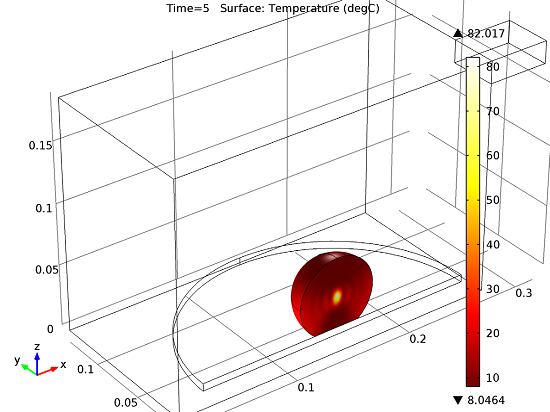
Microwaves heat food unevenly. While some areas may become extremely hot, others may remain cool enough for bacteria to survive. This is especially concerning for foods that are commonly reheated, such as rice, pasta, meat, and leftovers stored for more than a day.
Reheating food multiple times further increases the risk. Each cycle of heating and cooling allows bacteria to multiply if food is not handled properly.
Foods that require extra caution:
-
Cooked rice and pasta
-
Chicken, beef, and other meats
-
Eggs and egg-based dishes
-
Baby food and purees
Expert advice:
-
Stir food halfway through heating
-
Allow food to rest after microwaving to distribute heat
-
Ensure food is steaming hot throughout before eating
Proper reheating habits can significantly reduce the risk of foodborne illness.
3. Ignoring Uneven Heating and Cold Spots
Uneven heating is one of the biggest limitations of microwave technology. Even with a rotating plate, food does not always heat evenly, especially when portions are thick or densely packed.
Cold spots in food are more than an inconvenience. They can create ideal conditions for bacteria to survive, even when other parts of the meal appear hot. This is a serious concern for young children, older adults, and individuals with weakened immune systems.
Liquids can also be dangerous. Some beverages heat unevenly and may suddenly boil after being removed from the microwave, causing burns.
How to reduce uneven heating:
-
Spread food evenly on the plate
-
Cut large portions into smaller pieces
-
Stir liquids and solid foods during heating
-
Let food stand for 30–60 seconds before consuming
Experts stress that checking temperature is just as important as heating time.
4. Overusing the Microwave for Every Meal
While microwaves are generally safe when used correctly, experts warn against relying on them for nearly every meal. Overuse often leads to poor dietary habits, including increased consumption of processed foods and reduced intake of fresh, whole ingredients.
Microwaved meals are frequently high in sodium, preservatives, and additives. Over time, this dietary pattern may negatively affect overall nutrition and health.
Additionally, constantly reheating food rather than cooking fresh meals can reduce exposure to essential nutrients found in freshly prepared dishes.
A healthier approach:
-
Use the microwave for reheating and quick preparation
-
Combine microwave use with stovetop or oven cooking
-
Prioritize fresh fruits, vegetables, and whole foods
Balance and moderation remain key principles of healthy eating.
🔗 Experts Explain: The Safest Ways to Reheat Leftovers
👉 https://www.cdc.gov/foodsafety/food-safety-during-power-outage.html
Why These Microwave Mistakes Are Often Ignored
One reason these mistakes are so common is that their effects are not immediately visible. Unlike food poisoning, which causes rapid symptoms, the consequences of poor microwave habits often develop slowly.
Because of this, people tend to underestimate the impact of daily exposure to poor food safety practices. Experts emphasize that awareness is the first step toward improvement.
Children are particularly vulnerable, as their bodies are still developing. This makes safe food handling even more important in households with young family members.
Simple Microwave Safety Tips Everyone Should Follow
Experts recommend the following basic rules for safe microwave use:
-
Always read food packaging instructions
-
Avoid reheating the same food multiple times
-
Clean the microwave regularly to prevent bacteria buildup
-
Cover food loosely to prevent splatter and ensure even heating
-
Never operate a microwave while empty
These small steps can significantly improve safety and food quality.
The Bottom Line
Microwaves are powerful tools that make modern life easier. When used correctly, they are safe and effective. However, experts warn that common mistakes — often made out of habit — can quietly reduce food quality and increase health risks over time.
By avoiding these four microwave mistakes, you can protect yourself and your family, improve food safety, and make smarter choices in the kitchen.
Sometimes, the biggest health improvements come from the simplest changes.