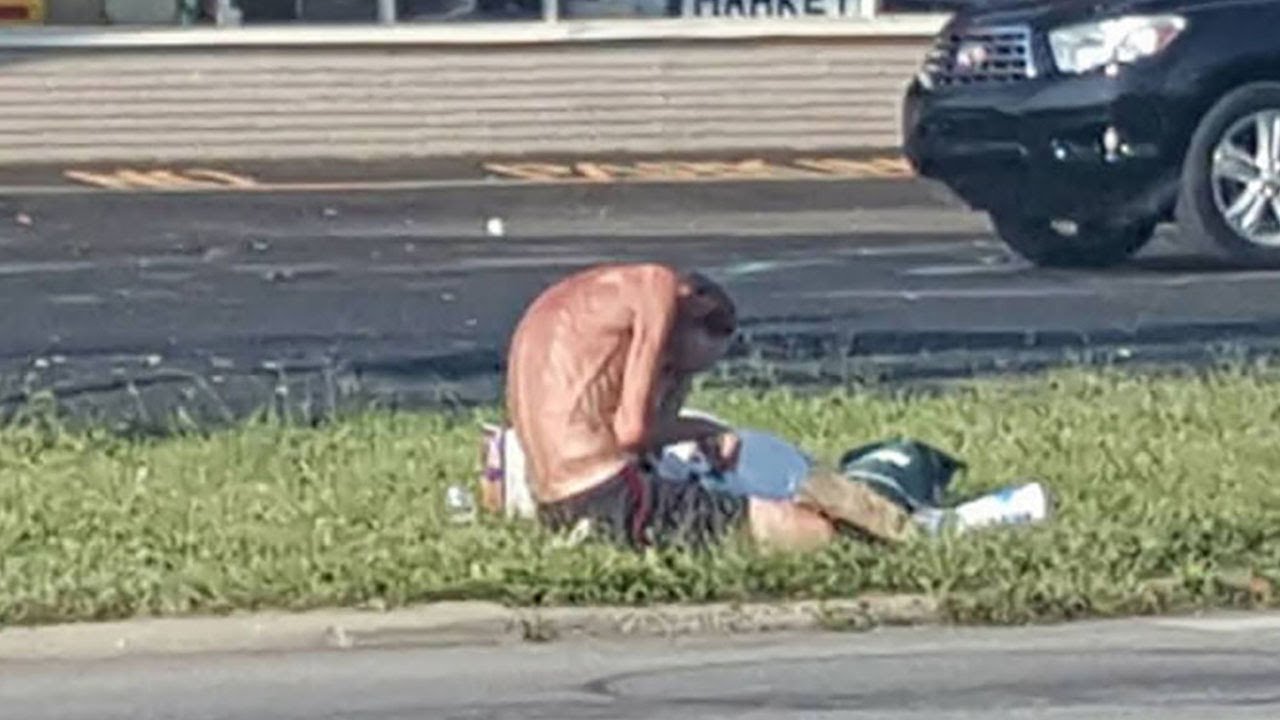
Homeless Man Discovers His True Identity After 30 Years
A Life Without a Name
For more than thirty years, the man lived on the streets without a confirmed identity. He had no documents, no official records, and no clear memory of how his life had taken such a drastic turn. To most people passing by, he was simply another homeless figure sitting quietly on sidewalks, blending into the background of a busy city.
Days passed slowly for him. Nights were long and uncertain. Survival became routine, while the idea of a future slowly faded away. Over time, even his own past felt distant, like a story that belonged to someone else.
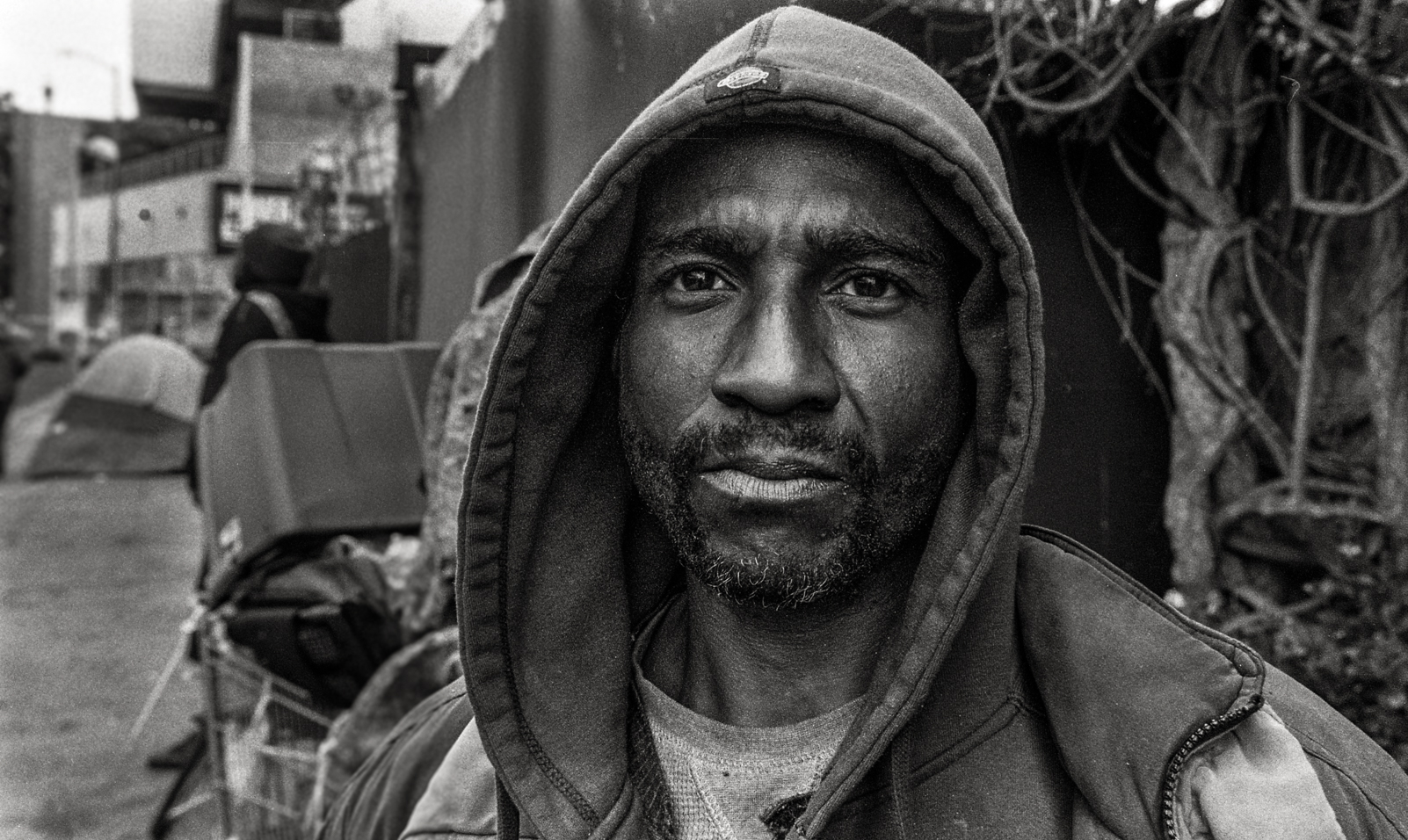
Decades Spent in Invisibility
Living without an identity meant living without access. Without documents, he could not apply for stable housing, receive consistent medical care, or qualify for most support programs. Each attempt to seek help ended the same way — with paperwork he could not provide.
According to organizations that work with homelessness, lack of identification is one of the biggest barriers people face when trying to escape life on the streets.
🔗https://www.bbc.com/news/topics/cjgn7n0r2j9t/homelessness
For him, this barrier lasted decades.
When Time Erases the Past
As the years went by, memories faded. He remembered fragments — a childhood home, voices calling a name, moments of warmth — but nothing complete enough to hold onto. Trauma, hardship, and time slowly erased what remained.
Psychologists explain that long-term homelessness can deeply affect memory and identity, making it difficult for individuals to reconnect with their past.https://www.apa.org/monitor/2019/01/homelessness
Eventually, he stopped trying to remember.
A Routine Police Encounter
The turning point came unexpectedly. On a day like many others, a police officer approached him during a routine welfare check. These encounters were common and usually brief. This time, however, something felt different.
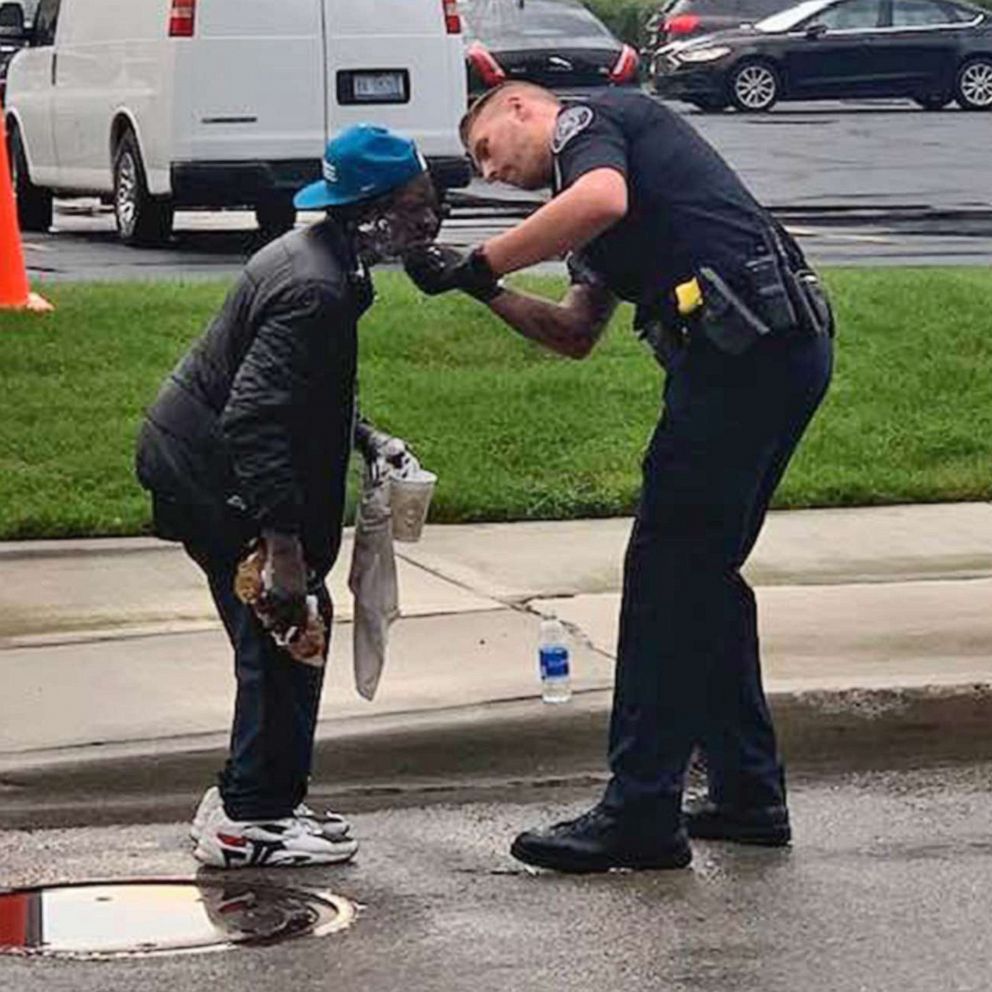
Instead of simply asking him to move along, the officer took a moment to listen. He asked basic questions — how long he had been homeless, whether he remembered his name, and if he had any family.
The answers were unclear, but the confusion caught the officer’s attention.
Choosing Compassion Over Routine
Rather than ending the interaction, the officer decided to look deeper. He contacted colleagues and suggested running a fingerprint check — a step rarely taken in routine situations involving homelessness.
Law enforcement agencies increasingly work alongside social services to help vulnerable individuals reconnect with support systems.
🔗https://www.npr.org/sections/health-shots/2023/07/26/homeless-police-outreach
That decision would change everything.
Searching Through Old Records
The process was slow. Databases were searched. Archived records were reviewed. At first, nothing appeared. Years without documentation had left gaps that seemed impossible to fill.
Then, a match surfaced.
According to the story, the fingerprints connected to records of a person who had disappeared decades earlier. A man who once had a name, a home, and a life far removed from the streets.
A Forgotten Identity Returns
When officers shared the information with him, the reaction was overwhelming. The name sounded familiar, even if it felt distant. Details about his past life slowly brought back emotions he had not felt in years.
Identity, once lost, carries more weight than just paperwork. It represents recognition, belonging, and existence within society.
🔗https://www.reuters.com/world/us/homeless-identity-documents-issue-2022-11-18/
For the first time in decades, he was no longer invisible.
What Identity Really Means
Having an official identity opened doors that had been closed for thirty years. Medical care became accessible. Social workers could step in. Housing programs became an option.
Organizations focused on ending homelessness stress that restoring identity is often the first step toward rebuilding a life.
🔗https://endhomelessness.org/ending-homelessness/solutions/
For him, it meant possibility.
The Emotional Impact
The emotional weight of rediscovering his identity was heavy. Along with relief came grief — grief for lost years, missed opportunities, and relationships that may never be restored.
Experts note that reentering society after long-term homelessness requires emotional support as much as practical help.
🔗https://www.theguardian.com/society/homelessness
Healing would take time.
A Second Chance, Not a Perfect Ending
This story does not promise a miracle transformation. Rebuilding a life after decades is complex. Habits formed on the streets do not disappear overnight, and trust in systems must be rebuilt slowly.
However, restoring identity gave him something he had not had in years — dignity.
He was no longer defined only by his circumstances.
Why Stories Like This Resonate
Human-interest stories like this continue to attract attention because they highlight the fragile line between stability and loss. They remind readers that homelessness is often the result of complex life events, not simple choices.
Media outlets frequently share similar narratives to raise awareness about the realities faced by homeless individuals.
🔗 External link: https://www.cnn.com/specials/world/human-interest-stories
These stories spark empathy.
Curiosity, Hope, and Awareness
Although shared as a told story rather than a verified investigative report, narratives like this fit naturally into the curiosity and human-interest niche. Readers are drawn to unexpected discoveries, emotional journeys, and second chances.
They encourage reflection:
How many people have been forgotten?
How many lives could change with one moment of compassion?
Not a Scientific or Verified Report
It is important to clarify that this article is presented as a human-interest narrative. Details may vary across retellings, and some elements are shared for storytelling purposes.
However, the broader themes — identity loss, homelessness, and rediscovery — reflect real challenges faced by millions worldwide.
After thirty years on the streets, discovering one’s true identity represents more than just finding a name. It symbolizes recognition, dignity, and the possibility of a future.
Whether read as a real account or a symbolic story, it reminds us that sometimes, all it takes to change a life is one person willing to look closer.