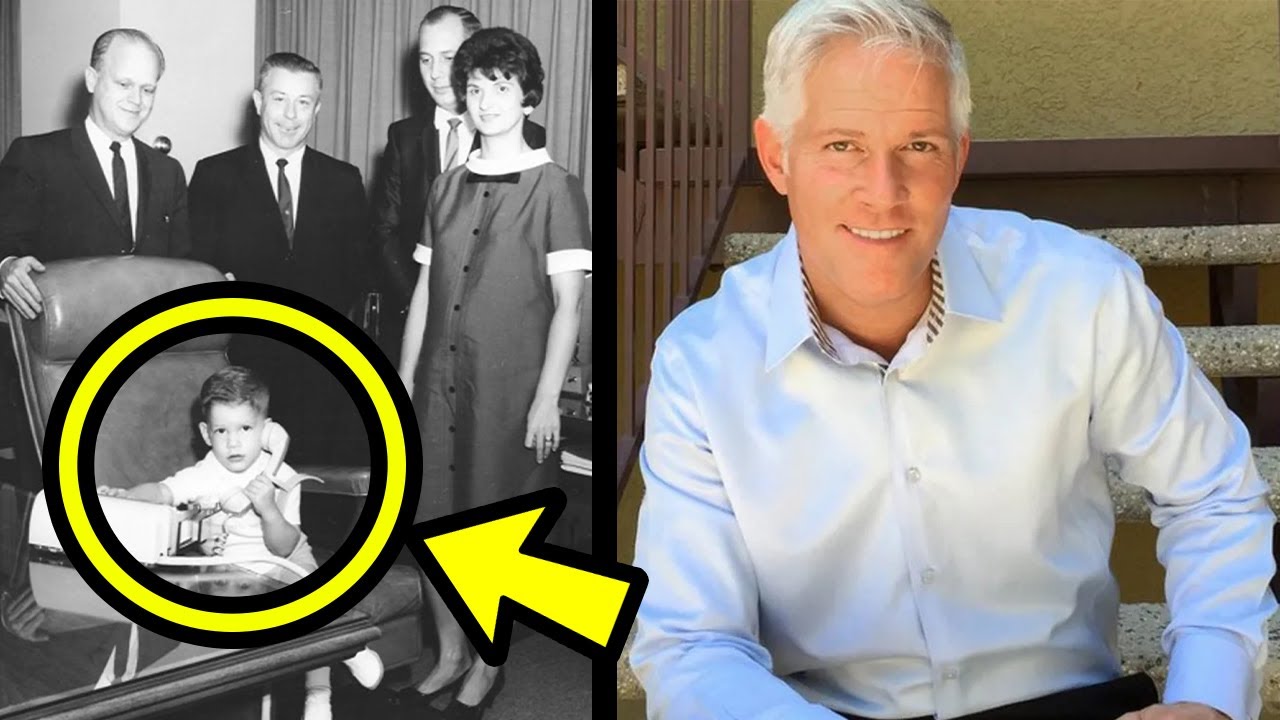
FBI Said I Was a Stolen Baby, But I Found the Truth
A Life Shaped by a Shocking Claim
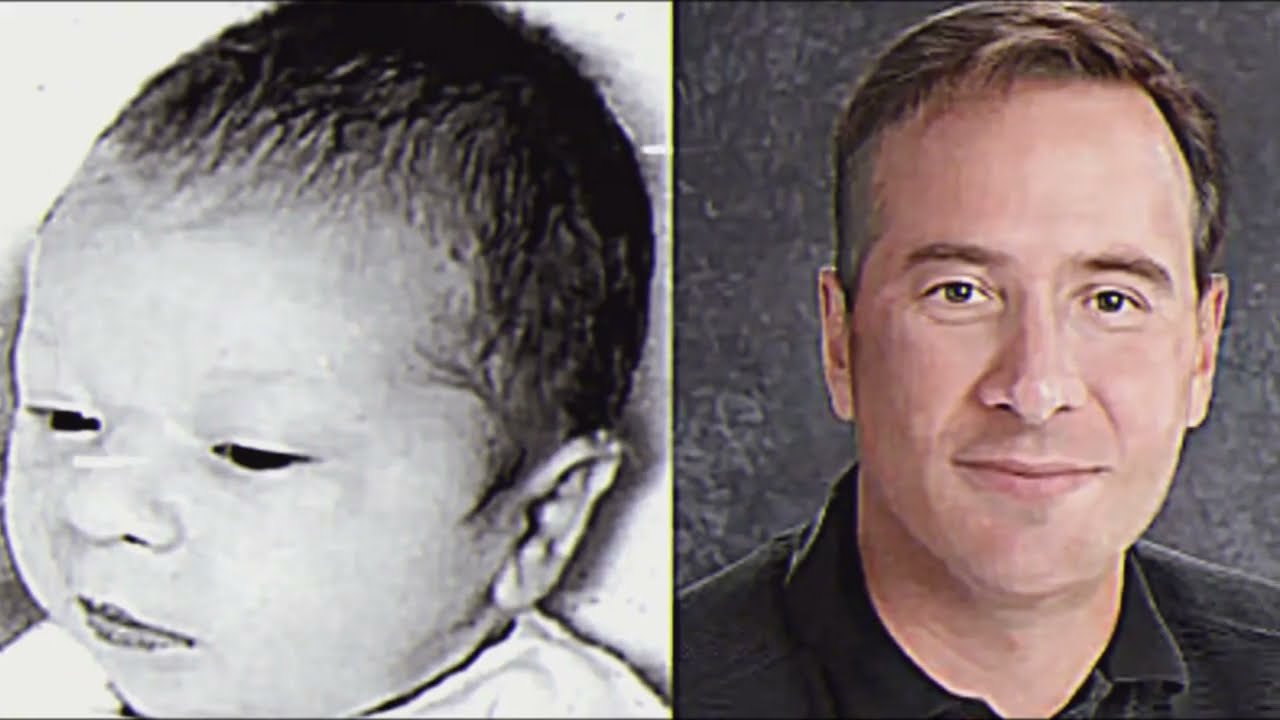
For most of his life, he believed the story he had been told. According to official information shared with his family, the Federal Bureau of Investigation had identified him as a baby stolen decades earlier. It was a claim powerful enough to shape an entire identity — one rooted in loss, mystery, and unanswered questions.
Growing up, he sensed that something about his past did not fully add up. There were gaps in records, stories that changed slightly over time, and details that never felt complete. Still, when authorities are involved, doubt often fades into acceptance.
The Weight of an Official Narrative
Being told that you were a stolen baby is not just a statement — it becomes a definition. From that moment on, every memory, relationship, and sense of belonging is filtered through that idea. For years, he accepted this narrative, believing that his life began with a crime he could not remember.
Cases involving missing or stolen children have long captured public attention, especially when law enforcement agencies become involved.
🔗 https://www.bbc.com/news/topics/cyx5krnw38jt/missing-children
For him, the story felt final — until small doubts began to surface.
Questions That Would Not Go Away
As time passed, inconsistencies became harder to ignore. Dates did not always align. Documents were incomplete. Some details appeared based more on assumptions than confirmed evidence.
While the involvement of authorities carries weight, experts note that historical cases involving missing children were often limited by the technology and databases available at the time.
🔗 https://www.reuters.com/world/us/missing-children-cold-cases-2021-08-12/
Slowly, curiosity turned into determination.
Deciding to Search for the Truth
Eventually, he made a choice that would change everything: to investigate his own past. Instead of relying solely on what he had been told, he began reviewing records, requesting files, and speaking to individuals connected to his case.
This process was not easy. Many documents were decades old. Some records were sealed, while others had been lost entirely. Yet each small discovery raised new questions — and weakened the certainty of the original claim.
The Role of DNA and Modern Technology
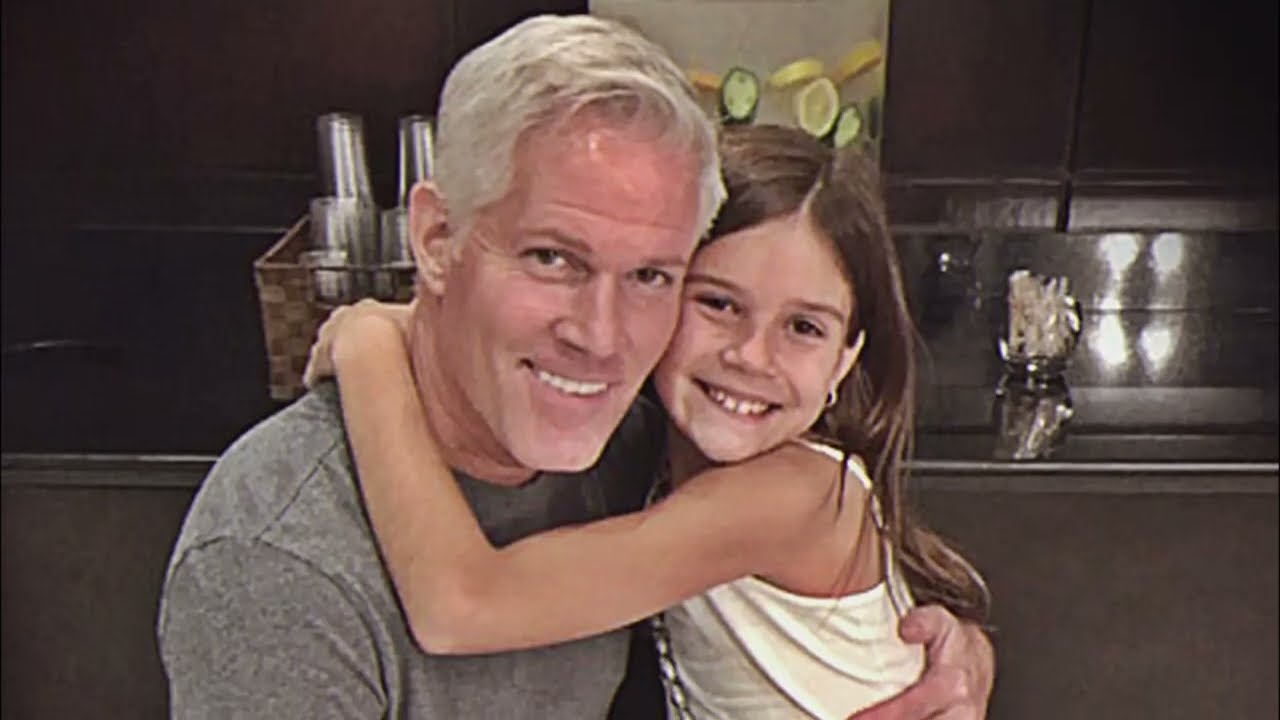
One of the most significant steps in his journey involved DNA testing. Advances in genetic databases have transformed how people uncover their origins, reconnect with relatives, and resolve long-standing identity questions.
Organizations that track missing children have increasingly relied on DNA as a critical tool.
🔗https://www.missingkids.org/theissues/dna
When the results arrived, they did not fully support the story he had lived with for years.
A Truth More Complex Than Expected
Rather than confirming that he was a stolen baby, the evidence suggested a far more complicated situation. According to the narrative, the truth involved misidentification, incomplete records, and conclusions drawn too quickly.
It became clear that while he had been linked to a missing-child case, the connection was not as definitive as originally believed. The truth was not a single dramatic revelation, but a layered reality shaped by human error and limited information.
Rewriting a Personal History
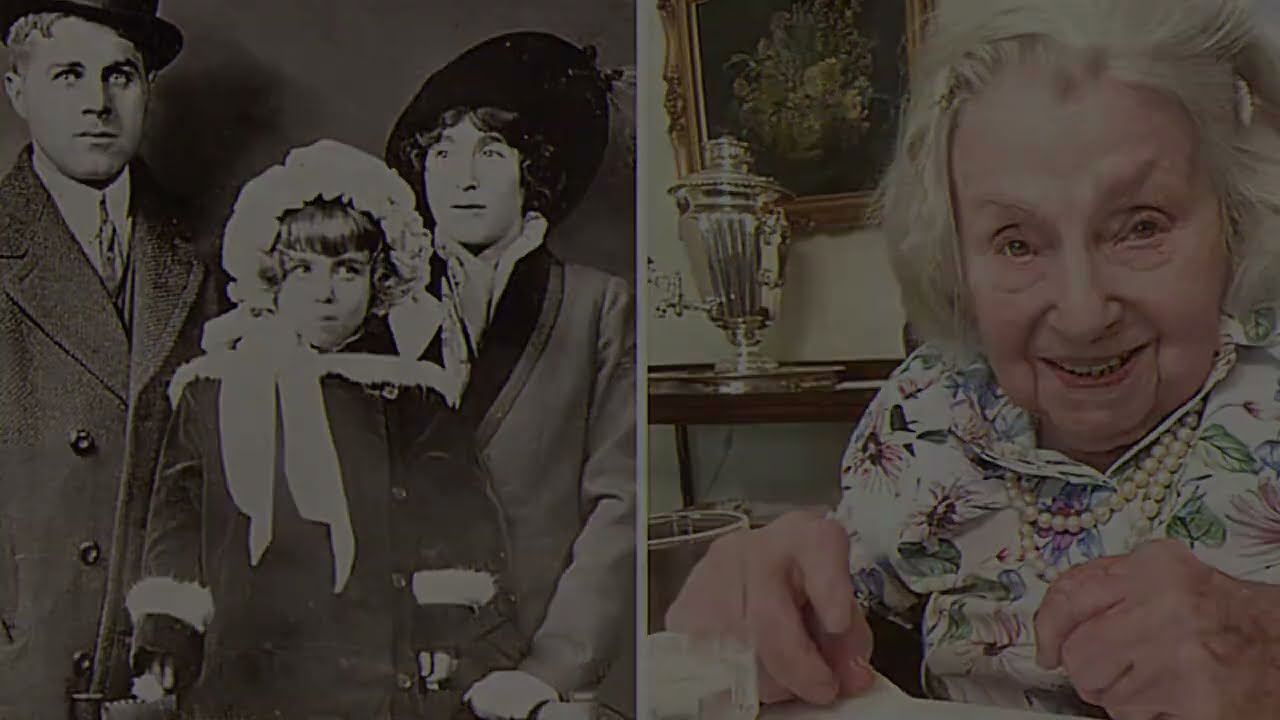
Discovering that the original story might be wrong was both relieving and unsettling. On one hand, it freed him from an identity rooted in a crime. On the other, it meant starting over — redefining who he was without the framework he had always known.
Identity experts explain that such revelations can deeply affect a person’s psychological well-being, requiring time and support to process.
🔗https://www.apa.org/monitor/2015/03/identity
For him, the journey was not just about facts, but about meaning.
The Emotional Cost of Uncertainty
Learning that the truth was different from what he had been told did not instantly bring closure. Instead, it opened new emotional challenges. Questions remained about his biological origins, early life, and how the original conclusion had been reached.
Many individuals who uncover unexpected truths about their identity report feelings of confusion, grief, and even betrayal — especially when official institutions are involved.
When Authorities Get It Wrong
While law enforcement agencies play a crucial role in protecting children, history shows that mistakes can happen — particularly in older cases. Limited records, human judgment, and pressure to resolve cases can lead to incorrect assumptions.
Stories like this highlight the importance of reviewing cold cases with modern tools and a critical perspective.
🔗https://www.nytimes.com/topic/subject/missing-persons
From Official Story to Personal Truth
Ultimately, he realized that truth does not always come neatly packaged from authority. Sometimes, it requires personal courage to question even the most powerful narratives.
His journey became less about proving a crime and more about understanding himself — accepting uncertainty while reclaiming control over his own story.
Why This Story Resonate
Stories involving stolen babies, identity confusion, and official investigations capture attention because they touch on universal themes: belonging, truth, and trust.
They also remind readers that identity is fragile and that answers are not always as clear as they seem.
Human-interest stories like this continue to circulate widely online because they encourage empathy and reflection.
🔗 https://www.cnn.com/specials/world/human-interest-stories
Curiosity Over Certainty
This narrative fits naturally within the curiosity and human-interest niche. It is not presented as a verified investigative report, but as a personal journey shaped by doubt, discovery, and reflection.
Readers are drawn not to a single shocking fact, but to the emotional process of uncovering the truth.
Not a Definitive Ending, But Clarity
While the story does not end with absolute certainty, it offers something just as important: clarity. Understanding that the original claim was not fully accurate allowed him to move forward without the weight of a false identity.
Sometimes, finding the truth means accepting complexity rather than simple answers.WonderBot 🔗 https://youtu.be/c1lkpq6eAS0