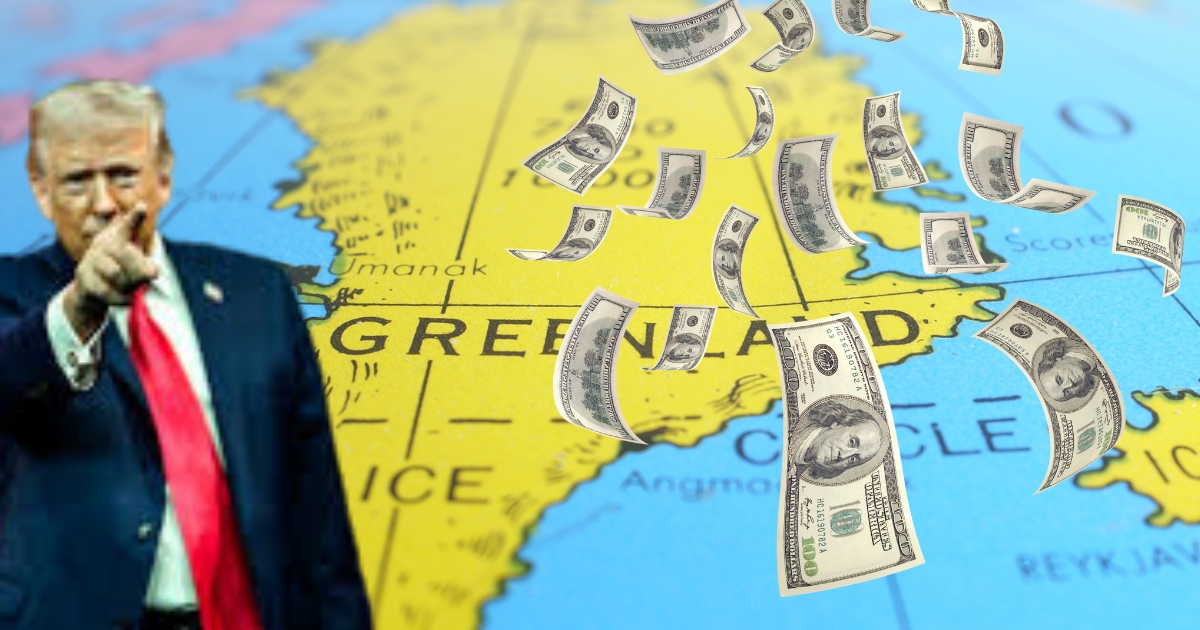
Trump’s $100,000 Greenland Offer Sparks Global Shock
Reports suggesting that the Trump administration explored the possibility of paying residents of Greenland up to $100,000 per person in exchange for joining the United States have triggered widespread debate, political backlash, and renewed global attention on the Arctic island’s future. According to sources cited by Reuters, the idea—while not officially confirmed—was discussed internally by U.S. officials and reflects a highly unconventional approach to territorial expansion.
The proposal, if ever implemented, would represent one of the most controversial geopolitical strategies in modern U.S. history. It raises serious questions about sovereignty, international law, economic ethics, and the will of the Greenlandic people, many of whom have long debated independence from Denmark but remain skeptical of closer ties with Washington.
A Controversial Proposal Emerges
Sources familiar with the matter told Reuters that U.S. officials, including individuals within the White House, discussed figures ranging from $10,000 to $100,000 per Greenland resident. While no formal plan was announced, the very discussion of such payments highlights how far the Trump administration was willing to go to secure strategic advantages in the Arctic region.
Greenland, the world’s largest island, occupies a critical geopolitical position. Its proximity to the Arctic Circle, growing relevance due to climate change, and vast natural resources have made it increasingly attractive to global powers. The U.S. already maintains a military presence there, including the strategically important Thule Air Base.
👉 You can read more about U.S. Arctic strategy in our analysis on America’s growing interest in Arctiterritorie
Why Greenland Matters to the United States
Greenland’s strategic value cannot be overstated. As melting ice opens new shipping routes and access to untapped minerals, the Arctic is rapidly becoming a focal point of global competition. Rare earth elements, oil reserves, and geopolitical positioning make Greenland a prize that major powers are unwilling to ignore.
For Washington, securing Greenland would not only strengthen its Arctic footprint but also counter growing influence from rivals such as Russia and China. This broader strategic vision helps explain why the Trump administration repeatedly floated the idea of acquiring the island—even if the methods proposed appeared unorthodox.
Rubio Rejects Military Force
Earlier this week, U.S. Secretary of State Marco Rubio publicly ruled out the use of military force to take control of Greenland. He emphasized that Washington would prefer diplomatic or economic avenues rather than coercion or invasion.
Rubio’s remarks came amid rising speculation and international concern following renewed comments from Donald Trump about “buying” Greenland. While the former president has previously framed the idea as a real estate-style transaction, critics argue that such language trivializes issues of national identity and self-determination.
👉See our breakdown of U.S. foreign policy under Trump for similar transactional approaches in diplomacy.https://www.foxnews.com/politics/trump-admin-reportedly-considers-paying-each-greenland-resident-100k-us-takeover-talks?utm_source=chatgpt.com
A “Transactional” and Offensive Idea?
Many analysts have described the proposal to pay Greenlanders directly as overly transactional and even humiliating. Unlike traditional state-to-state negotiations, offering cash to individual citizens risks being perceived as an attempt to “buy loyalty” rather than respect democratic processes.
Greenland has spent decades navigating its relationship with Denmark, gradually gaining increased autonomy. Discussions about independence are ongoing, but they are deeply rooted in cultural identity, economic sustainability, and political sovereignty—not one-time financial incentives.
Greenland’s Leadership Pushes Back
The reaction from Greenland’s leadership was swift and forceful. The Prime Minister of Greenland responded publicly, writing:
“Enough… enough with the fantasies of annexation.”
This statement underscored widespread frustration among Greenlandic officials, who argue that decisions about the island’s future must come from its people—not from foreign powers making unilateral offers.
Local leaders have repeatedly stressed that Greenland is not for sale, echoing similar statements made by Denmark in response to earlier remarks by Trump.
Public Opinion in Greenland
Polling data consistently shows that a majority of Greenlanders support the idea of eventual independence from Denmark. However, support drops sharply when respondents are asked whether they would favor joining the United States.
While many residents see independence as a long-term goal, concerns about economic stability, public services, and international recognition remain major obstacles. Denmark currently provides significant financial support, which many fear would be difficult to replace overnight.
👉Explore our article on the economic challenges of small nations seeking independence https://www.reuters.com/world/europe/trump-administration-mulls-payments-sway-greenlanders-join-us-2026-01-08/?utm_source=chatgpt.com
Economic Reality vs Political Ambition
One of the central challenges facing Greenland is economic viability. With a small population and limited infrastructure, full independence would require massive investment, careful planning, and long-term international partnerships.
Critics argue that offering cash payments—even large ones—does little to address these structural challenges. Instead, it risks oversimplifying a complex national conversation into a short-term financial calculation.
International Law and Ethical Concerns
From an international law perspective, the idea of paying residents to alter national borders raises serious concerns. Territorial changes typically require treaties, referendums, and international recognition—not financial incentives directed at individuals.
Legal experts warn that such a move could set a dangerous precedent, encouraging powerful nations to use economic leverage to influence smaller populations.
Denmark’s Position
Denmark has consistently rejected any notion of selling Greenland. Danish officials have reiterated that Greenland is an autonomous territory with the right to decide its own future.
Copenhagen views continued cooperation—with gradual reforms and increased autonomy—as the most stable path forward. Any attempt to bypass Denmark or pressure Greenlanders directly would likely strain transatlantic relations.
The Bigger Geopolitical Picture
The controversy surrounding Trump’s reported proposal reflects a broader shift in global geopolitics. As climate change reshapes the Arctic, competition for influence, resources, and strategic positioning is intensifying.
Greenland has become a symbol of this new geopolitical reality—where remote regions suddenly find themselves at the center of global power struggles.
What Happens Next?
For now, the reported proposal remains unconfirmed and unofficial. However, its impact is already being felt. It has reignited debates about sovereignty, independence, and the ethics of modern diplomacy.
As Greenland continues to chart its own future, one thing is clear: decisions about the island’s destiny will not be made lightly—or solely based on financial incentives.