Trump’s Oil Claim Reignites Global Energy Debate
Former U.S. President Donald Trump has once again placed Venezuela at the center of global energy discussions after claiming that the United States received oil worth $4 billion from the South American nation.
Speaking during a high-level meeting with American oil executives, Trump framed the move as part of a broader effort to reclaim U.S. influence over strategic energy assets and stabilize global oil markets.
The statement immediately sparked intense debate among analysts, governments, and investors. While some view the claim as a bold signal of renewed U.S. engagement in Venezuela, others question the feasibility, legality, and long-term implications of such a move. At the heart of the discussion lies one critical question: which U.S. oil companies could realistically invest in Venezuela?
https://www.ft.com/content/4c21c031-443e-4834-a7a6-3dd59672b54e?utm_source=chatgpt.com
Understanding this issue requires a closer look at Venezuela’s oil history, the role of American energy giants, and the political and economic risks that continue to surround the country.
Venezuela’s Oil Industry — From Global Giant to Economic Collapse
Venezuela holds the largest proven oil reserves in the world, surpassing even Saudi Arabia. For decades, oil revenue powered the country’s economy and funded social programs, infrastructure, and international influence. However, years of mismanagement, corruption, sanctions, and declining investment led to the collapse of production capacity.
Under the leadership of Nicolás Maduro, Venezuela’s state oil company PDVSA struggled to maintain aging facilities, retain skilled workers, and access global capital markets. Production fell from over three million barrels per day to a fraction of that amount, leaving the country economically isolated.
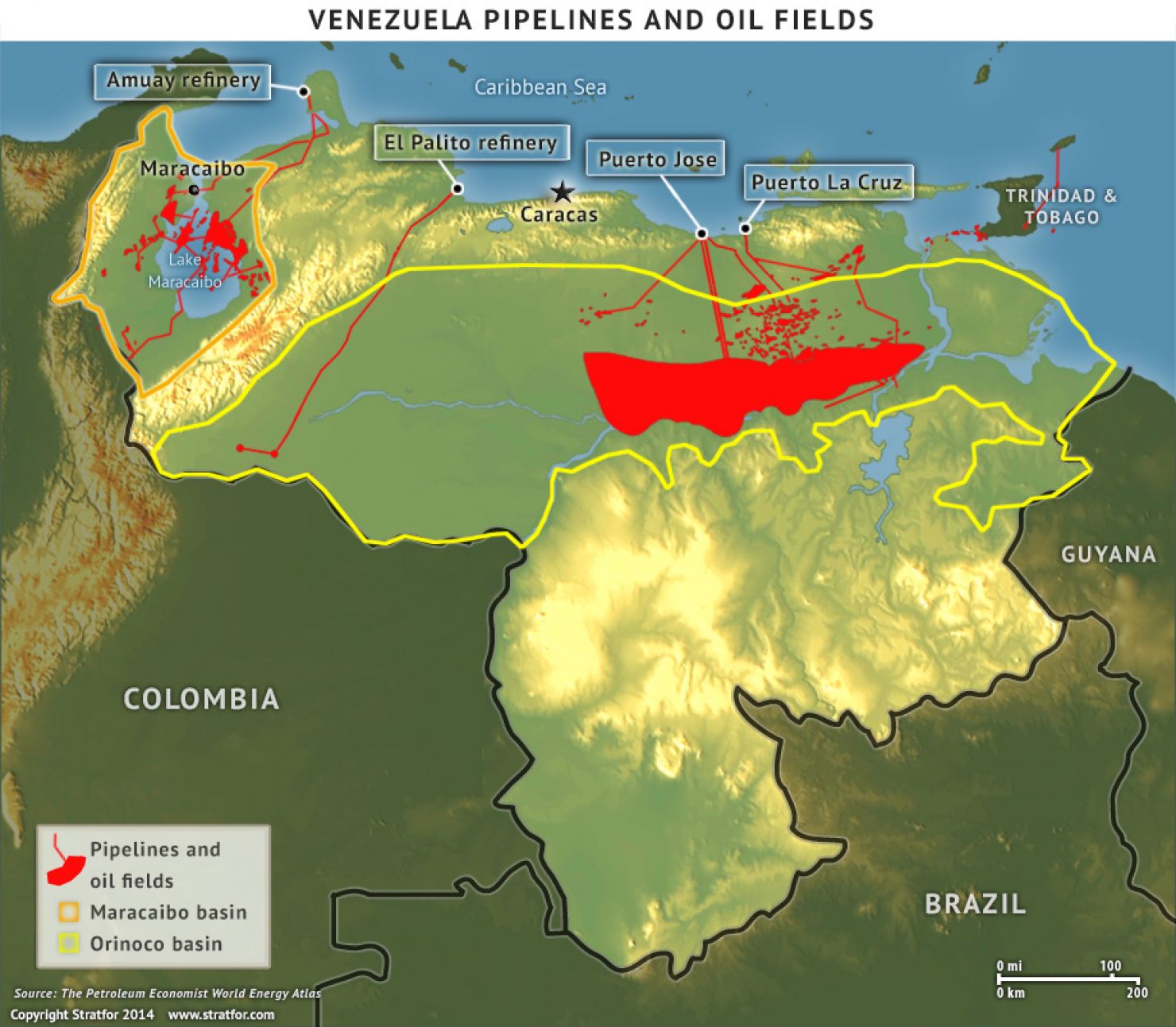
This decline created an opening for potential foreign involvement, particularly from companies with the technical expertise and financial capacity to revive complex oil operations. U.S. firms, once deeply embedded in Venezuela’s energy sector, are now being discussed as possible partners in a future recovery.
Why U.S. Oil Companies Matter in Venezuela
American oil companies possess some of the most advanced extraction, refining, and logistics technologies in the world. Venezuela’s heavy crude oil requires specialized processing techniques that many U.S. refineries are uniquely equipped to handle. This technical compatibility makes U.S. involvement economically attractive, at least in theory.
Trump has repeatedly argued that American companies helped build Venezuela’s oil industry decades ago and therefore have a legitimate claim to participate in its reconstruction. According to this narrative, renewed U.S. investment would benefit both nations by increasing supply, lowering prices, and restoring economic stability.
However, major energy firms operate on long-term risk assessments, not political rhetoric. For them, legal guarantees, contract stability, and regulatory clarity are essential before committing billions of dollars to any project.
Chevron — The Most Likely U.S. Investor
Among all American oil companies, Chevron is widely considered the most likely to expand its presence in Venezuela. Chevron has maintained limited operations in the country even during periods of strict U.S. sanctions, operating under special licenses that allowed it to export Venezuelan crude to the United States.
The company has decades of experience working with PDVSA and already understands the technical and political landscape. This existing footprint gives Chevron a strategic advantage over competitors that exited Venezuela entirely following nationalizations and legal disputes.
If sanctions are further relaxed or restructured, Chevron could scale up production relatively quickly. Analysts believe it would focus on restoring output from existing joint ventures rather than launching entirely new projects, minimizing upfront risk.
ExxonMobil — Cautious but Influential
ExxonMobil is another major U.S. energy giant frequently mentioned in discussions about Venezuela’s future. However, ExxonMobil’s relationship with the country is far more complicated. The company lost significant assets during Venezuela’s wave of nationalizations and later pursued international arbitration claims.

Executives at ExxonMobil have previously described Venezuela as “uninvestable” without sweeping legal reforms. Despite this stance, the company’s technical capabilities and global influence mean it cannot be ignored in any serious conversation about reviving Venezuelan oil production.
If a new framework emerges that guarantees asset protection and contract enforcement, ExxonMobil could reconsider its position. Until then, its involvement is more likely to remain indirect, through advisory roles or limited partnerships.
ConocoPhillips — Tied by History and Arbitration
ConocoPhillips also has deep historical ties to Venezuela. Like ExxonMobil, it lost assets during nationalization and later won arbitration awards against the Venezuelan state. These unresolved financial disputes complicate any immediate return to the country.
ConocoPhillips still holds deep technical knowledge of Venezuelan oil fields and could re-enter the country if unresolved claims are settled through broader negotiations. Analysts say any investment would likely be tied to debt restructuring or compensation deals, allowing the company to recover losses while supporting a gradual recovery in oil production.
Such arrangements would require strong political backing and international mediation, making them complex but not impossible.
Refiners and Service Companies — The Supporting Cast
Beyond the major producers, several U.S. refining and oil service companies could benefit from renewed Venezuelan output. Firms such as Valero, Marathon Petroleum, and Halliburton may not directly invest in oil fields but could play crucial roles in refining, logistics, and technical support.
Venezuelan crude is particularly well-suited for certain U.S. Gulf Coast refineries designed to process heavy oil. Increased supply could improve refinery margins and stabilize fuel prices in the United States.
Oil service companies, meanwhile, could provide drilling equipment, maintenance services, and engineering expertise needed to restart dormant fields. These firms often enter markets earlier than producers, positioning themselves for long-term contracts.
Despite Trump’s optimistic claims, significant obstacles remain. Venezuela’s legal system lacks transparency, and past contract breaches have left foreign investors wary. Any large-scale investment would require ironclad legal protections recognized by international courts.
Sanctions also remain a key issue. While limited licenses exist, full normalization would require political agreements that go beyond the energy sector. Changes in U.S. leadership or policy priorities could quickly reverse current arrangements, adding another layer of uncertainty.
For energy companies accustomed to planning projects decades in advance, this instability represents a major deterrent.
If U.S. companies succeed in restoring Venezuelan production, the effects could be felt worldwide. An increase of even one million barrels per day would significantly alter global supply dynamics, potentially lowering prices and reducing the influence of other major producers.
Such a shift could weaken OPEC’s pricing power and provide consuming nations with greater energy security. For the United States, access to nearby heavy crude could reduce reliance on distant suppliers and stabilize domestic fuel markets.
However, analysts caution that rebuilding Venezuela’s industry could take years, even under ideal conditions. Infrastructure damage, workforce shortages, and environmental risks cannot be resolved overnight.
What Comes Next for U.S. Companies and Venezuela
For now, Trump’s statements appear to be more of a strategic signal than a confirmation of completed deals. Oil companies are closely monitoring political developments, regulatory changes, and market signals before committing resources.
Chevron remains best positioned to expand, while ExxonMobil and ConocoPhillips wait for stronger guarantees. Refiners and service companies stand ready to move if conditions improve.
Whether this moment marks the beginning of Venezuela’s return to the global oil stage or another chapter of unfulfilled promises will depend on actions taken in the months ahead.
Conclusion — Opportunity Meets Uncertainty
Venezuela’s vast oil reserves represent both an enormous opportunity and a profound risk. U.S. oil companies have the expertise to revive production, but only if political stability, legal certainty, and economic reforms follow.
Trump’s bold claims have reignited interest and speculation, but the path from rhetoric to reality remains uncertain. For investors, governments, and consumers alike, the future of Venezuelan oil will be a story to watch closely — one that could reshape global energy markets for years to come.
🔗: https://sumlera.com/trump-says-us-received-4b-in-venezuelan-oil/