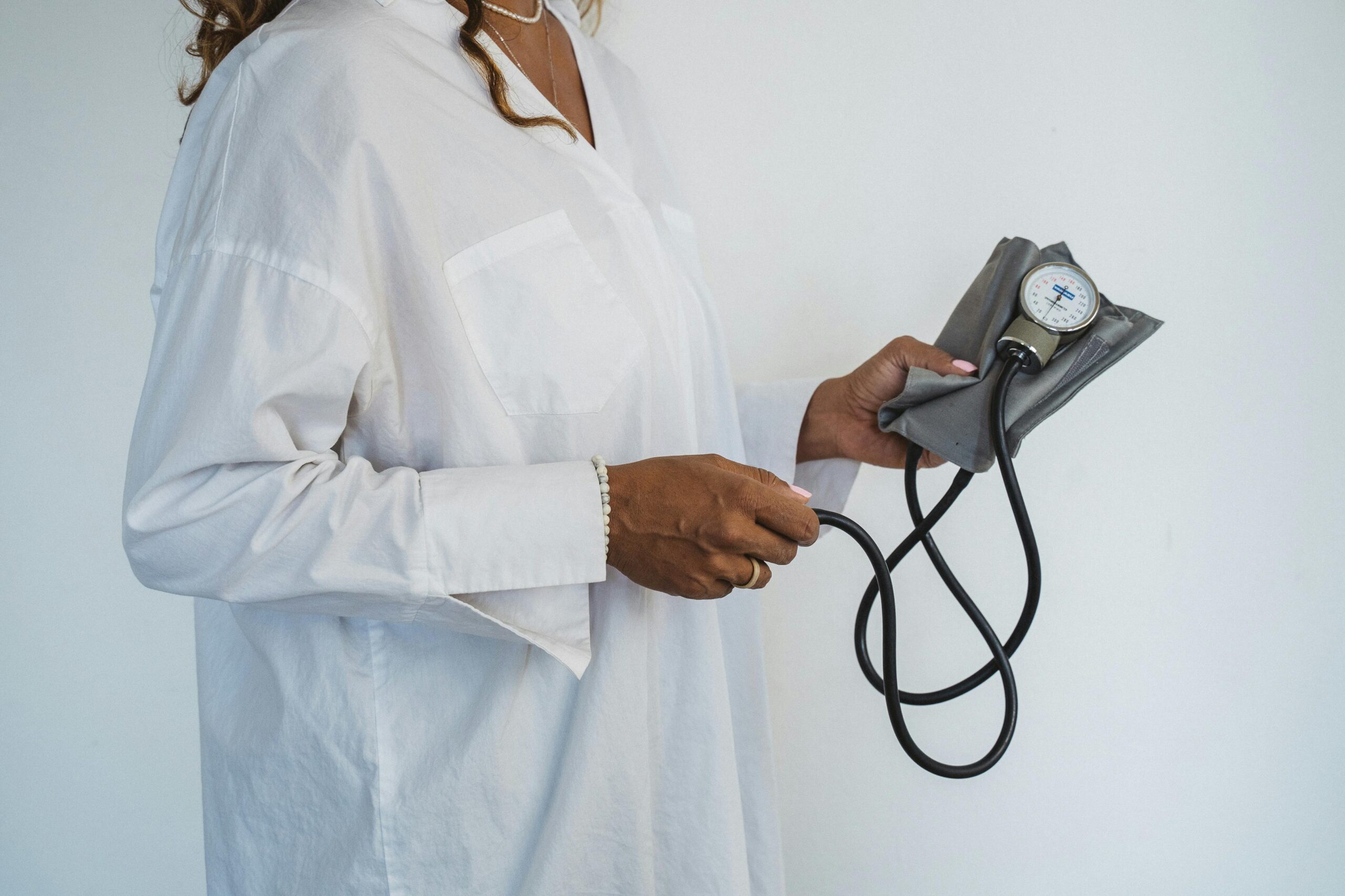
High blood pressure, also known as hypertension, affects millions of people worldwide and is one of the leading causes of heart disease, stroke, and kidney problems.
What makes this condition especially dangerous is the fact that the early signs of high blood pressure are often subtle and easy to dismiss. Many people live with elevated blood pressure for years without realizing that anything is wrong.
Because the symptoms develop slowly, they are often mistaken for stress, fatigue, aging, or lack of sleep. Unfortunately, by the time clear symptoms appear, serious damage may have already occurred. Learning to recognize the early signs of high blood pressure can help you take action early and protect your long-term health.
In this article, we’ll explain what high blood pressure is, why it’s so dangerous, and the most common warning signs people ignore every day.
What Is High Blood Pressure?
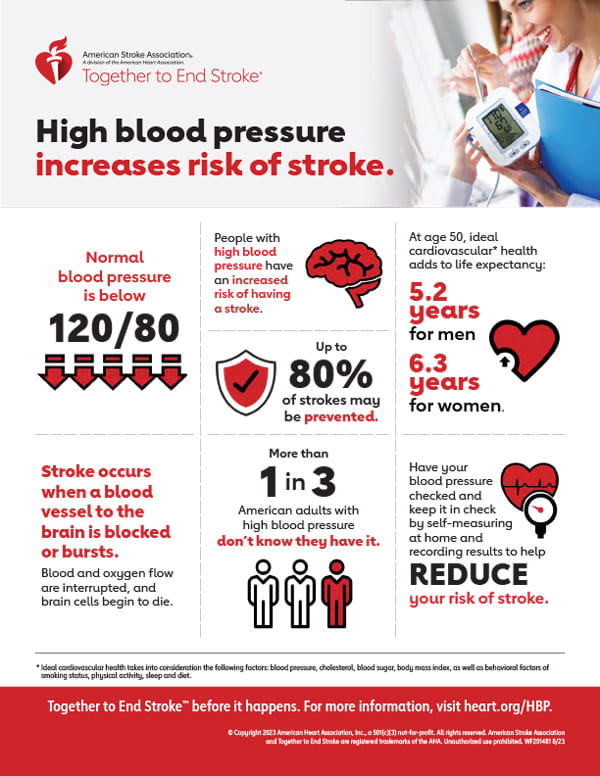
Blood pressure is the force of blood pushing against the walls of your arteries as your heart pumps. When this pressure remains high over time, it places extra strain on your heart and blood vessels.
Blood pressure is measured using two numbers:
-
Systolic pressure – the pressure when the heart beats
-
Diastolic pressure – the pressure when the heart rests between beats
When either of these numbers stays elevated, it increases the risk of serious health problems. Because many people feel normal, the early signs of high blood pressure often go unnoticed.
According to the World Health Organization, hypertension is often referred to as a “silent condition” because it can exist for years without obvious symptoms.
Why High Blood Pressure Is So Dangerous
High blood pressure damages the body slowly and quietly. Over time, it can lead to:
-
Heart attacks and heart failure
-
Stroke and brain damage
-
Kidney disease
-
Vision loss
-
Circulation problems
The longer blood pressure remains uncontrolled, the greater the risk. This is why recognizing the early signs of high blood pressure is so important.
Medical experts at the Mayo Clinic explain that untreated high blood pressure can damage vital organs even when no symptoms are present.
9 Early Signs of High Blood Pressure Most People Ignore
1. Frequent Headaches
Occasional headaches are common, but recurring headaches—especially in the morning—can sometimes be linked to rising blood pressure. Many people blame stress or dehydration, ignoring that headaches may be one of the early signs of high blood pressure.
2. Dizziness or Lightheadedness
Feeling dizzy when standing up or experiencing unexplained lightheadedness can be a warning sign. While dizziness has many causes, repeated episodes may indicate blood pressure problems.
3. Shortness of Breath
If you become short of breath during activities that used to feel easy, your heart may be working harder than normal. This can be an early indication that blood pressure levels are too high.
4. Chest Pressure or Tightness
High blood pressure doesn’t always cause sharp pain. Some people experience mild chest pressure, tightness, or discomfort that comes and goes, often mistaken for anxiety or muscle strain.
5. Persistent Fatigue
Feeling constantly tired, even after adequate rest, can be one of the early signs of high blood pressure. Reduced blood flow can limit oxygen delivery to muscles and organs, causing ongoing fatigue.
6. Blurred or Distorted Vision
High blood pressure can damage small blood vessels in the eyes. Early symptoms include blurred vision, difficulty focusing, or brief visual disturbances that many people ignore.
7. Ringing in the Ears
A pulsing or ringing sound in the ears can sometimes be associated with changes in blood flow. Although not always caused by hypertension, persistent ringing should not be ignored.
8. Nosebleeds
Frequent or unexplained nosebleeds are uncommon but may occur when blood pressure becomes very high. They should always be taken seriously and checked by a professional.
9. Anxiety or Restlessness
Some individuals report increased anxiety or restlessness before being diagnosed. While anxiety does not directly cause hypertension, it can accompany the early signs of high blood pressure.
Terms and Conditions – How to Use Sumlera Properly🔗https://sumlera.com/terms-and-conditions-how-to-use-sumlera-properly/
Why These Early Signs Are Often Ignored
One reason high blood pressure is so dangerous is that its symptoms resemble everyday problems:
-
Stress from work or family
-
Poor sleep
-
Too much caffeine
-
Dehydration
-
Normal aging
Because the early signs of high blood pressure feel mild, many people delay checking their blood pressure for years.
Who Is Most at Risk?
Anyone can develop high blood pressure, but risk is higher if you:
-
Have a family history of hypertension
-
Eat a diet high in salt or processed foods
-
Are overweight or physically inactive
-
Experience chronic stress
-
Smoke or drink alcohol regularly
-
Have poor sleep habits
Even young adults can develop hypertension due to modern lifestyles.
How to Check Your Blood Pressure
The only reliable way to know your blood pressure is to measure it. You can:
-
Visit a doctor or pharmacy
-
Use a home blood pressure monitor
-
Get checked during routine medical visits
Regular monitoring helps detect the early signs of high blood pressure before complications arise.
According to Mayo Clinic, high blood pressure often develops without noticeable symptoms, which is why many people ignore the early warning signs until serious complications occur.🔗https://www.mayoclinic.org/diseases-conditions/high-blood-pressure/symptoms-causes/syc-20373410
How to Lower Blood Pressure Naturally
Lifestyle changes can significantly improve blood pressure levels:
-
Reduce salt intake
-
Eat more fruits, vegetables, and whole grains
-
Stay physically active
-
Manage stress through relaxation techniques
-
Maintain a healthy weight
The NHS emphasizes that small daily changes can have a big impact on long-term blood pressure control.
When to See a Doctor
You should consult a healthcare professional if:
-
Several symptoms appear together
-
Blood pressure readings remain high
-
Symptoms worsen suddenly
Early medical advice can prevent serious complications and long-term damage.
The World Health Organization explains that hypertension is often called a silent condition because the early signs of high blood pressure are frequently overlooked.🔗https://www.nhs.uk/conditions/high-blood-pressure/
Frequently Asked Questions
Can you feel high blood pressure?
Most people cannot feel it directly, which is why it’s often called a silent condition.
How often should blood pressure be checked?
Adults should check their blood pressure at least once a year, or more often if advised by a healthcare professional.
Can lifestyle changes really help?
Yes. Healthy habits can significantly reduce blood pressure, especially when started early.
Final Thoughts
The early signs of high blood pressure are easy to overlook, but ignoring them can have serious consequences. Headaches, fatigue, dizziness, and vision problems may seem harmless, yet they can signal a condition that slowly damages the body.
By paying attention to the early signs of high blood pressure, checking your levels regularly, and making healthy lifestyle choices, you can protect your heart, brain, and overall health before it’s too late.
According to Mayo Clinic, high blood pressure often develops without noticeable symptoms, which is why many people ignore the early warning signs until serious complications occur.🔗https://www.who.int/news-room/fact-sheets/detail/hypertension
- Ever felt tired for no reason?
- Thought headaches were “just stress”?
- What if your body was trying to warn you?
Sometimes, listening early is the smartest thing you can do. Don’t ignore small signs — your health depends on it.Listen to your body before it’s too late.Small signs matter — listen to your body early.Make small changes today — your future self will thank you