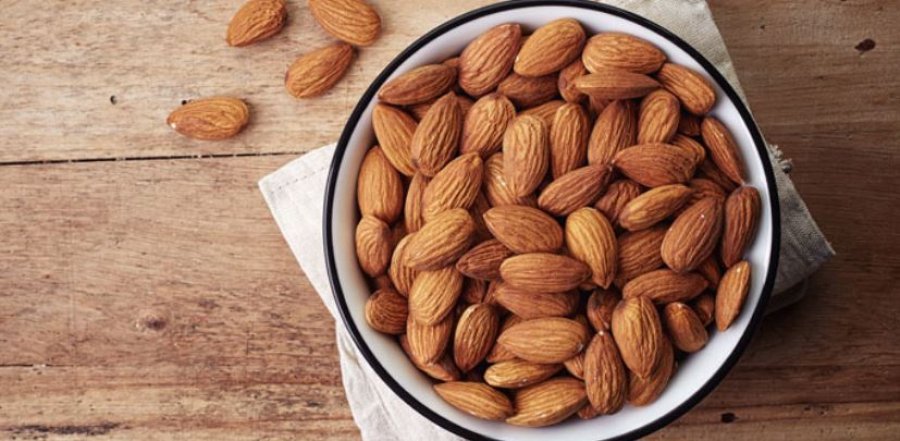
The Secret Superfood for Glowing Skin and Healthy Hair

Almonds – A Natural Beauty Superfood

Almonds are widely recognized as one of the most powerful natural foods for improving skin and hair health.

Rich in essential nutrients, they help nourish the body from the inside out, supporting smoother skin, stronger hair, and a healthier appearance overall. Unlike cosmetic products that work externally, almonds deliver long-term benefits by supplying the body with vitamins, minerals, and healthy fats it needs for natural regeneration.

Nutrition experts often recommend almonds as part of a balanced diet because they support not only beauty, but also heart health, brain function, and metabolism.

🔗link: https://www.hsph.harvard.edu/nutritionsource/food-features/almonds/

Vitamin E – The Key to Youthful Skin

One of the most important nutrients found in almonds is vitamin E, a powerful antioxidant known for protecting skin cells from damage. Vitamin E helps fight oxidative stress caused by pollution, UV radiation, and aging, all of which contribute to wrinkles and dull skin.
Regular almond consumption may help maintain skin elasticity, reduce dryness, and promote a natural glow. Studies show that diets rich in vitamin E are associated with healthier, more resilient skin over time.

link: https://www.healthline.com/nutrition/vitamin-e-benefits

How Almonds Strengthen Hair and Reduce Hair Loss

Healthy hair starts with proper nutrition, and almonds provide key elements such as biotin, magnesium, and healthy fats. These nutrients help strengthen hair follicles, reduce breakage, and support steady hair growth.

Magnesium plays a crucial role in preventing hair thinning, while biotin supports keratin production—the protein that forms hair strands. People who regularly consume nuts like almonds often report shinier, thicker, and more resilient hair.

link: https://www.medicalnewstoday.com/articles/biotin-benefits

Healthy Fats That Nourish Skin from Within

Almonds are rich in monounsaturated fatty acids, which help maintain the skin’s natural moisture barrier. These healthy fats prevent water loss, keeping the skin hydrated and soft.

Proper fat intake is essential for reducing inflammation, preventing dry skin, and supporting overall skin repair. This makes almonds particularly beneficial during colder months or for individuals with dry or sensitive skin.

link: https://www.webmd.com/diet/health-benefits-almonds

Antioxidants That Slow Down Aging

In addition to vitamin E, almonds contain other antioxidants that help neutralize free radicals. Free radicals accelerate skin aging and contribute to fine lines, dark spots, and uneven skin tone.
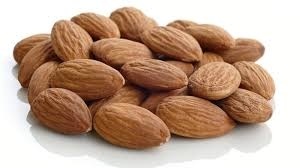
By incorporating almonds into your daily diet, you provide your body with protective compounds that slow down the aging process and support long-term skin health.

link: https://www.ncbi.nlm.nih.gov/pmc/articles/PMC5452224/

How Many Almonds Should You Eat Daily?

Health experts generally recommend a small handful of almonds per day (20–25 almonds). This amount provides sufficient nutrients without adding excessive calories.

Almonds can be eaten raw, soaked overnight, or added to salads, yogurt, and smoothies. Soaking almonds may improve digestion and nutrient absorption, making them even more beneficial for skin and hair health.

link: https://www.eatright.org/health/wellness/nutrition-panels-and-food-labels/are-nuts-healthy

Almonds as Part of a Holistic Beauty Routine

While almonds offer impressive benefits, they work best as part of a holistic lifestyle that includes proper hydration, balanced nutrition, regular sleep, and stress management. No single food can replace overall healthy habits, but almonds are one of the most effective natural additions for enhancing skin and hair quality.

By making almonds a regular part of your diet, you support your body’s natural ability to look healthy, vibrant, and youthful.


Trump Says:Must Control Greenland to Stop China & Russia

Trump Reignites the Greenland Ownership Debate

U.S. President Donald Trump has once again stirred global controversy by declaring that the United States should “own” Greenland in order to prevent Russia and China from gaining strategic control over the Arctic island. Speaking to reporters on Friday, Trump insisted that national security cannot be safeguarded through leasing agreements or defense contracts alone, but only through full ownership.

According to Trump, Greenland’s location makes it too critical to leave under shared or allied arrangements. “You protect ownership, not rental contracts,” he said, adding that the U.S. would defend Greenland “the easy way or the hard way.” His remarks immediately revived a debate that first surfaced during his earlier presidency and drew sharp criticism from European allies.

https://www.reuters.com/world

White House Signals Strategic Review, Raises Alarm

Following Trump’s comments, the White House confirmed that the administration is reviewing strategic options regarding Greenland, including the possibility of purchasing the semi-autonomous territory from Denmark, a fellow NATO member. While officials emphasized that no formal decision has been made, they notably declined to rule out more aggressive measures.

This ambiguity has raised concerns among U.S. allies, who fear that even discussing annexation—especially by force—could undermine international law and weaken the transatlantic alliance. Analysts warn that such rhetoric risks normalizing territorial expansion in an era already marked by geopolitical instability.

https://www.bbc.com/news

Denmark and Greenland Reject Any Sale or Annexation

Both Danish and Greenlandic leaders reacted swiftly, stating unequivocally that Greenland is not for sale. Danish officials warned that any attempt by the U.S. to seize the territory militarily would mark a definitive break in transatlantic relations. Denmark has stressed that Greenland’s status is protected under international law and that its people have the right to self-determination.

In a rare show of political unity, leaders from across Greenland’s political spectrum—including opposition parties—issued a joint statement condemning what they described as U.S. disregard for their sovereignty. They called for an end to external pressure and emphasized that Greenland’s future must be decided solely by its own people.

 https://www.aljazeera.com/news

Why Greenland Matters in the Arctic Power Struggle

Although Greenland is the world’s least densely populated territory, its strategic importance is immense. Located between North America and the Arctic, the island plays a crucial role in early-warning missile defense systems and the monitoring of naval activity in polar waters. As climate change accelerates Arctic ice melt, new shipping routes and access to untapped natural resources are becoming increasingly viable.

Military experts argue that Greenland could become a key node in future global defense networks. Control over the region would offer unparalleled advantages in surveillance, missile detection, and Arctic logistics, making it a focal point in the growing competition between major powers.

link: https://www.cfr.org/arctic

U.S. Military Presence Already Established

The United States already maintains a permanent military footprint in Greenland. More than 100 U.S. personnel are stationed at Pituffik Space Base, a facility operated by the U.S. since World War II. The base is critical for missile warning systems and space surveillance operations.

Under long-standing defense agreements with Denmark, Washington has the authority to deploy additional troops and equipment to Greenland if security conditions require it. Critics of Trump’s proposal argue that this existing arrangement already provides the U.S. with everything it needs from a military perspective, making outright ownership unnecessary and politically dangerous.

link: https://www.defense.gov

Claims of Russian and Chinese Activity Disputed

Trump has repeatedly claimed—without presenting evidence—that Greenland is “covered with Russian and Chinese ships everywhere.” These assertions have been disputed by independent analysts and allied governments, who say there is no indication of such overwhelming foreign presence.

While Russia and China have increased their Arctic ambitions in recent years, experts caution against exaggerating the threat. They warn that alarmist rhetoric could escalate tensions unnecessarily and push Arctic cooperation into open confrontation, destabilizing a region that has historically been governed through multilateral agreements.

link: https://www.ft.com/world

Global Reactions and the Risk to the Transatlantic Alliance

International reaction to Trump’s remarks has been largely negative. European leaders fear that questioning the sovereignty of allied territories could embolden authoritarian regimes elsewhere. Diplomats have also warned that treating alliances as transactional arrangements—rather than shared commitments—could erode trust at a critical moment for global security.

🔗link: https://www.nato.int

For smaller nations, Trump’s comments have reignited concerns that power politics may once again dominate international relations. As competition between major powers intensifies, analysts say the Greenland debate highlights a broader shift toward a more confrontational and less predictable world order.

🔗: https://sumlera.com/man-buys-old-tank-for-e45k-finds-e2-5m-gold-inside/


This Is the Longevity Key Most People Ignore

The Longevity Secret We’re All Getting Wrong

For decades, people around the world have searched for the ultimate secret to living a longer, healthier life.

From expensive supplements and extreme diets to intense workout routines and anti-aging treatments, the market for longevity promises has exploded. However, despite all this information, confusion still dominates the conversation around aging.

Long before modern medicine and pharmaceutical solutions existed, humans relied on simple lifestyle habits to maintain health and vitality. Over time, many of those habits were replaced by convenience, speed, and modern comforts. As a result, we may be unknowingly shortening our lifespan—despite having access to more health information than ever before.

So what is the longevity secret most people are getting wrong? Surprisingly, it isn’t one miracle food, a supplement, or a cutting-edge medical procedure. Instead, it’s a fundamental lifestyle principle that science keeps confirming—yet most people continue to ignore.

The Biggest Misconception About Longevity

One of the most common beliefs is that longevity depends primarily on genetics. While genes do play a role, research consistently shows that lifestyle choices have a far greater impact on how long—and how well—we live.

In fact, studies suggest that genetics account for only about 20–30% of lifespan. The remaining 70–80% is shaped by daily habits, environment, and behavior. Despite this evidence, many people still assume that aging is unavoidable and largely out of their control.

Because of this misconception, people focus on quick fixes instead of long-term, sustainable habits. Consequently, the true drivers of longevity are often overlooked.

The Longevity Key We Overlook: Consistency, Not Extremes

The biggest mistake people make is believing that longevity comes from extreme actions—extreme diets, extreme exercise, or extreme discipline. However, research from longevity hotspots around the world tells a very different story.

In regions known as Blue Zones—areas where people live significantly longer than average—longevity is driven by consistency, simplicity, and balance. These communities do not rely on supplements or rigid health rules. Instead, they follow modest, repeatable habits every single day.

In other words, it’s not what you do once in a while that matters most—it’s what you do consistently over decades.

Why Modern Lifestyles Are Working Against Us

Modern life prioritizes speed and efficiency. Food is processed, schedules are packed, and stress levels remain constantly high. As a result, the body rarely enters a state of recovery, which is essential for long-term health.

Moreover, many people sit for long periods, sleep irregularly, and eat without awareness. Although these habits seem harmless in the short term, their cumulative effect accelerates aging and increases the risk of chronic disease.

Therefore, longevity is not about adding more to your routine—it’s about removing what slowly harms you.

Stress: The Silent Lifespan Killer

One of the most overlooked longevity factors is chronic stress. While short-term stress can be useful, long-term stress keeps the body in a constant “fight or flight” mode.

As a consequence, inflammation increases, immunity weakens, and cellular aging accelerates. Studies show that people with prolonged stress experience shorter telomeres—the protective caps on DNA that are strongly linked to lifespan.

In contrast, people who manage stress through routine, social connection, and purpose tend to live longer and healthier lives.

The Role of Purpose in Longevity

Another factor that science consistently highlights is purpose. People who wake up with a reason to start the day—whether it’s family, work, community, or personal passion—tend to live longer.

Interestingly, this effect remains strong even when controlling for diet, exercise, and income. Purpose reduces stress, supports mental health, and encourages healthier behaviors over time.

Therefore, longevity isn’t only physical—it’s deeply psychological.

Movement Matters—But Not the Way You Think

Many people believe they need intense workouts to stay healthy. However, longevity research suggests otherwise. In long-living populations, movement is natural and continuous, not forced or extreme.

People walk, garden, clean, and remain active throughout the day. As a result, their bodies stay strong without excessive strain or injury.

Simply put, regular movement integrated into daily life is far more effective than occasional intense exercise.

Diet: Simplicity Over Superfoods

Another common mistake is chasing the latest superfood trend. While nutrition is undeniably important, longevity is not built on exotic ingredients.

Instead, long-living populations eat simple, mostly plant-based diets, rich in whole foods and low in processed sugar. More importantly, they eat mindfully and stop before feeling full.

Consequently, calorie moderation—without strict restriction—plays a major role in slowing aging and reducing disease risk.

Sleep: The Foundation of Long Life

Sleep is often sacrificed in modern society, yet it is one of the strongest predictors of longevity. Without adequate sleep, the body cannot repair cells, regulate hormones, or maintain immune function.

Research shows that consistent sleep patterns are more important than sleep duration alone. In other words, going to bed and waking up at similar times every day supports long-term health.

Social Connection and Longevity

Humans are social beings, and isolation has been shown to increase mortality risk. In fact, loneliness is now considered as harmful as smoking or obesity.

People who maintain strong social ties experience lower stress, better mental health, and longer lifespans. Therefore, investing in relationships may be one of the most powerful longevity strategies available.

Why Technology Can’t Replace Healthy Habits

Although medical technology continues to advance, it cannot fully compensate for unhealthy lifestyles. Supplements may help, and medicine can treat disease, but neither can undo years of poor habits.

As science increasingly shows, prevention is far more powerful than treatment when it comes to longevity.

The Real Longevity Formula

When all the evidence is combined, the longevity secret becomes clear:

  • Consistent daily habits
  • Moderate movement
  • Stress management
  • Quality sleep
  • Simple nutrition
  • Strong social connections
  • A clear sense of purpose

Together, these elements form a lifestyle—not a shortcut.

Why Most People Still Get It Wrong

Despite clear evidence, many people continue to chase shortcuts. This happens because extremes are more marketable than consistency, and quick results are more appealing than slow progress.

Nevertheless, longevity is a long game. Small, repeatable actions performed daily outperform dramatic changes that are impossible to sustain.

The longevity secret we’re all getting wrong is not hidden or complicated. Rather, it is simple, unglamorous, and deeply human.

By focusing on consistency instead of extremes, balance instead of perfection, and long-term habits instead of short-term results, we can dramatically improve both lifespan and quality of life.

Ultimately, living longer is not about doing more—it’s about doing what truly matters, every day.

6 Natural Skin Remedies Doctors Don’t Talk About


6 Powerful Natural Remedies for Skin Diseases & Wounds

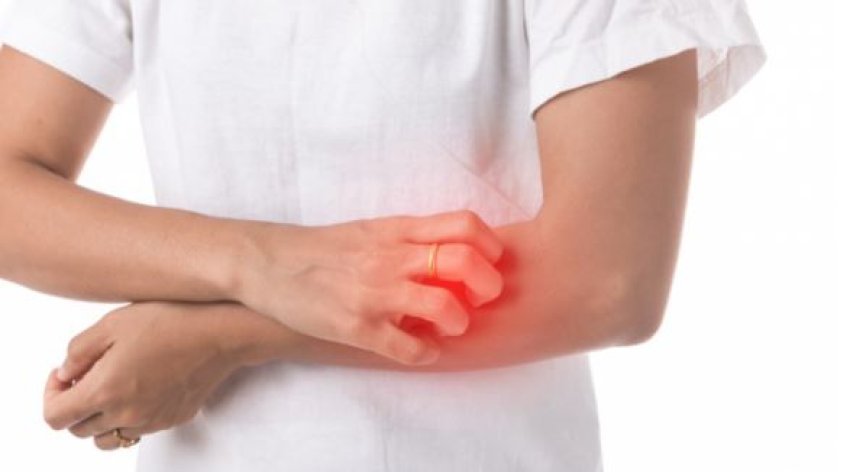
The skin is the body’s largest organ and its first line of defense against the outside world. Every day, it is exposed to bacteria, viruses, environmental toxins, sun damage, allergens, and physical injuries. Because of this constant exposure, skin problems such as wounds, rashes, infections, dryness, and inflammation are extremely common.

Long before modern medicine and pharmaceutical creams existed, people relied on natural remedies and traditional treatments to protect and heal their skin.Moreover, many of these remedies continue to be used today, since they are affordable and accessible and, more importantly, because their effectiveness has been supported by scientific evidence.

In this article, we explore six powerful natural remedies that have been used for generations to support skin healing, reduce inflammation, and protect against infection.

These remedies support skin health but do not replace medical treatment for serious or chronic skin conditions.

Aloe Vera – Nature’s Ultimate Skin Healer

https://www.biodermis.com/cdn/shop/articles/Is-Aloe-Vera-Good-For-Burn-Scars-Biodermis-com-Biodermis-2864.jpg?v=1693382013

Aloe vera is widely regarded as one of the most effective natural remedies for skin healing. The clear gel inside its thick leaves contains vitamins A, C, E, enzymes, amino acids, and antioxidants that promote skin regeneration.

For centuries, aloe vera has been used to treat burns, cuts, sun damage, and skin irritation. It works by deeply hydrating the skin while reducing inflammation and accelerating tissue repair.

Benefits of aloe vera for skin:

  • Speeds up wound healing

  • Reduces redness and inflammation

  • Soothes burns and sunburn

  • Helps fight bacteria

  • Moisturizes dry and damaged skin

How to use aloe vera:

  1. Cut a fresh aloe vera leaf

  2. Extract the clear gel inside

  3. Apply directly to clean skin

  4. Leave on for 20–30 minutes or overnight

Use aloe vera twice daily for best results.

Raw Honey – A Natural Antibiotic for Wounds

https://m.media-amazon.com/images/I/71GgVnXmzpL._AC_UF1000%2C1000_QL80_.jpg

Honey has been used as a wound treatment since ancient times. Ancient Egyptians applied honey to wounds to prevent infection and promote healing. Today, medical-grade honey is still used in hospitals.

Raw honey contains natural antibacterial and antifungal compounds. It creates a protective barrier over wounds while keeping the skin moist, which helps speed up healing and reduce scarring.

Why honey works:

  • Kills harmful bacteria

  • Prevents wound infections

  • Reduces inflammation

  • Promotes tissue regeneration

  • Keeps skin hydrated

How to use honey on skin:

  • Apply a thin layer of raw honey to the affected area

  • Cover with sterile gauze

  • Change dressing once daily

✅ Best for small cuts, cracks, burns, and minor infections.

Chamomile – Calming Relief for Irritated Skin

https://m.media-amazon.com/images/I/71-yLOg-a4L._AC_UF1000%2C1000_QL80_.jpg

Chamomile is well known for its calming effects—not just for digestion and sleep, but also for the skin. It contains flavonoids and antioxidants that reduce inflammation and soothe irritation.

This gentle herb is especially beneficial for people with sensitive skin, eczema, or allergic reactions.

Chamomile helps with:

  • Eczema and dermatitis

  • Skin redness and swelling

  • Itching and irritation

  • Mild allergic reactions

How to use chamomile:

  1. Brew a strong chamomile tea

  2. Let it cool completely

  3. Soak a clean cloth in the tea

  4. Apply as a compress for 10–15 minutes

Use 1–2 times daily for calming relief.

Garlic – Powerful Defense Against Skin Infections

https://www.frontiersin.org/files/Articles/1277074/fimmu-15-1277074-HTML/image_m/fimmu-15-1277074-g001.jpg

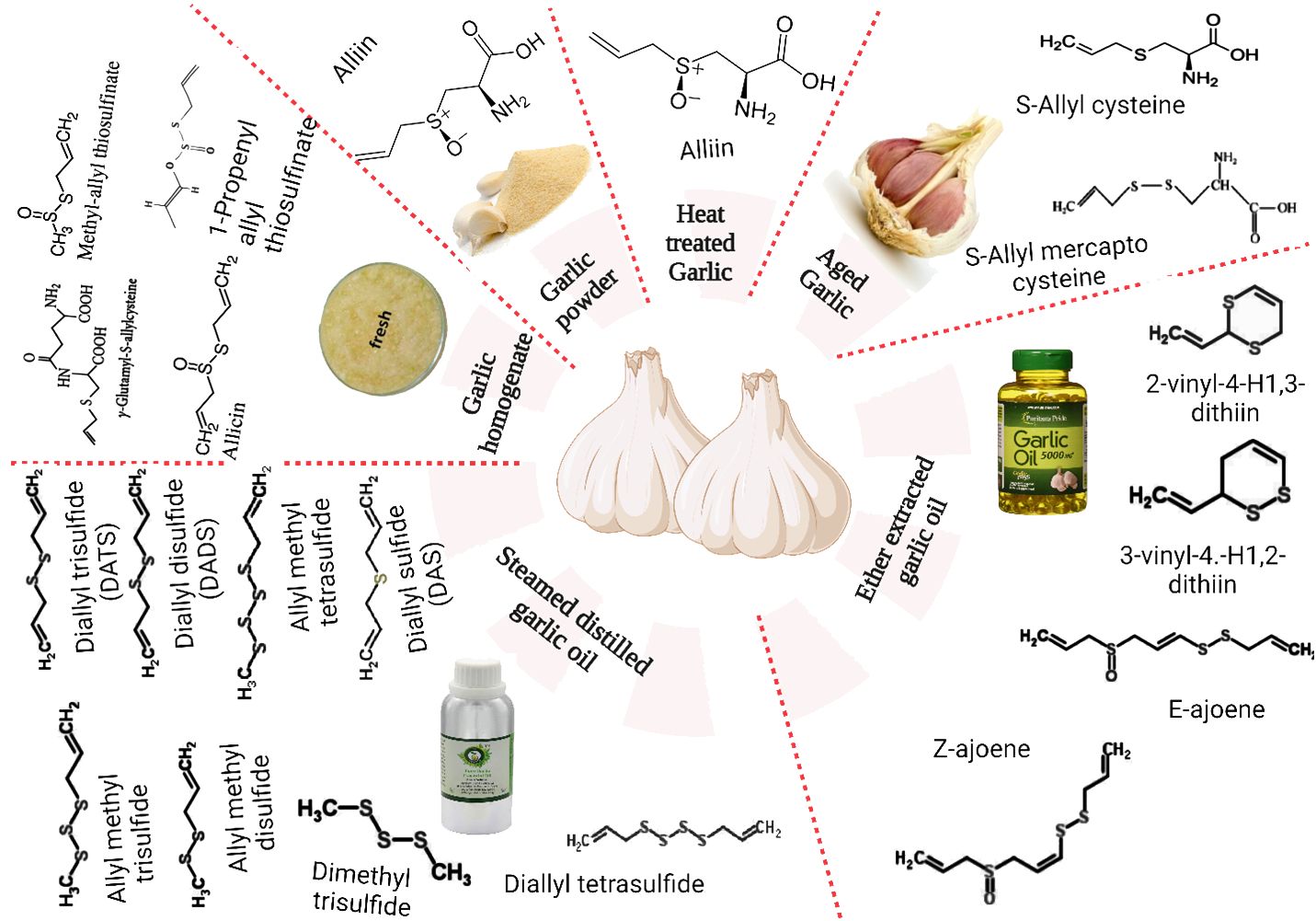
Garlic is one of the strongest natural antibiotics available. It contains allicin, a compound with potent antibacterial, antiviral, and antifungal properties.

https://images.albertsons-media.com/is/image/ABS/184410678-C1N1?%24ng-ecom-pdp-desktop%24=&defaultImage=Not_Available

In traditional medicine, garlic was used to treat skin infections, fungal issues, and slow-healing wounds. However, garlic must be used carefully because it can irritate the skin if applied directly.

Benefits of garlic for skin:

  • Fights bacterial and fungal infections

  • Reduces inflammation

  • Supports immune defense

Safe way to use garlic:

  • Crush one clove of garlic

  • Mix with olive oil or coconut oil

  • Apply to skin for 5–10 minutes only

  • Rinse thoroughly with lukewarm water

⚠️ Avoid using garlic on open wounds or sensitive skin.

Olive Oil – Deep Nourishment and Skin Repair

https://images.commerce7.com/the-olive-press/images/large/top-healing-salve_web-1731348249053.png

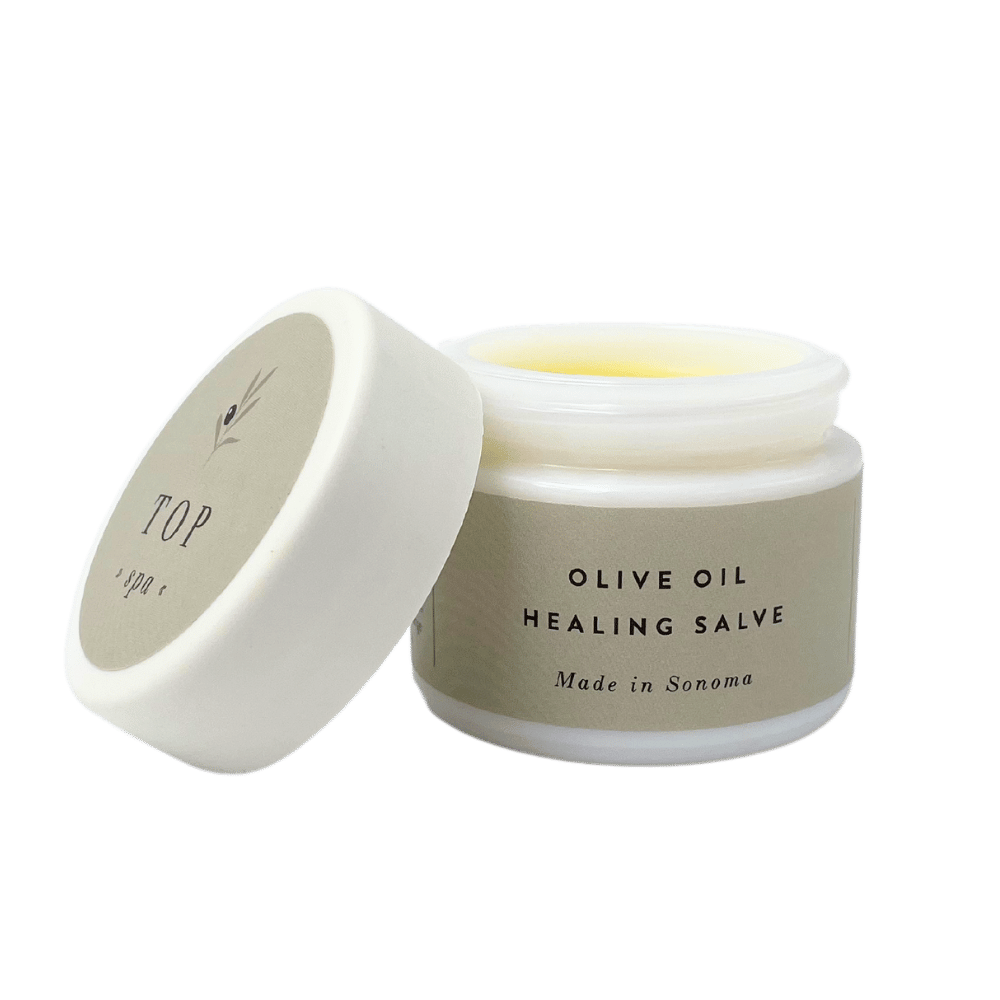
Extra virgin olive oil has been used for skincare since ancient Greek and Roman times. Rich in antioxidants and healthy fatty acids, it strengthens the skin barrier and protects against dryness and irritation.

https://m.media-amazon.com/images/I/51MonJSs4xL._AC_UF350%2C350_QL80_.jpg

Olive oil helps restore elasticity, reduce inflammation, and support the natural healing process.

Olive oil is ideal for:

  • Dry, cracked skin

  • Minor wounds

  • Irritation from cold weather

  • Aging or damaged skin

How to use olive oil:

  • Apply a few drops to clean skin

  • Massage gently

  • Leave on overnight for deep hydration

Regular use helps maintain soft, healthy skin.

Green Tea – Antioxidant Protection for Skin

https://assets.nutrisense.io/62e18da95149ec2ee0d87b5b/63ef8ca7a319a981422417b6_2-benefits-of-green-tea-for-your-skin.webp

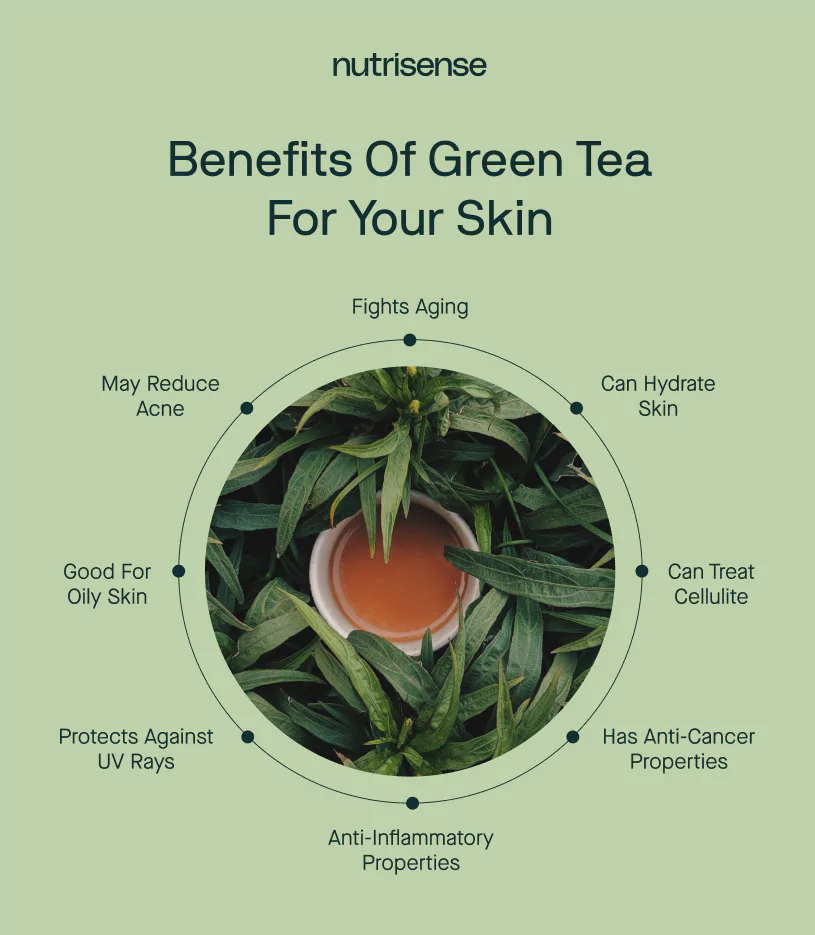
Green tea is rich in polyphenols and catechins—powerful antioxidants that protect the skin from damage and inflammation. It is widely used in both traditional medicine and modern skincare products.

Green tea helps calm irritated skin, reduce redness, and support cellular repair.

Green tea benefits for skin:

  • Reduces inflammation

  • Helps with acne and redness

  • Protects against environmental damage

  • Supports skin regeneration

How to use green tea:

  • Brew strong green tea

  • Let it cool

  • Use as a facial rinse or compress

  • Apply daily for long-term benefits

Why Do Traditional Skin Remedies Work?

Natural remedies work because they:

  • Support the body’s natural healing process

  • Contain bioactive compounds proven to reduce inflammation

  • Avoid harsh chemicals

  • Provide nourishment directly to the skin

Modern science has confirmed many of these benefits, which is why natural ingredients are now widely used in dermatology and skincare products.

Additional Tips for Healthy Skin

  • Keep skin clean and dry

  • Avoid harsh soaps

  • Stay hydrated

  • Eat antioxidant-rich foods

  • Protect skin from excessive sun exposure

Nature provides powerful tools for maintaining healthy skin. These six natural remedies—aloe vera, honey, chamomile, garlic, olive oil, and green tea—have stood the test of time and continue to support skin healing safely and effectively.

🔗: https://sumlera.com/always-tired-hidden-reasons-for-low-energy/