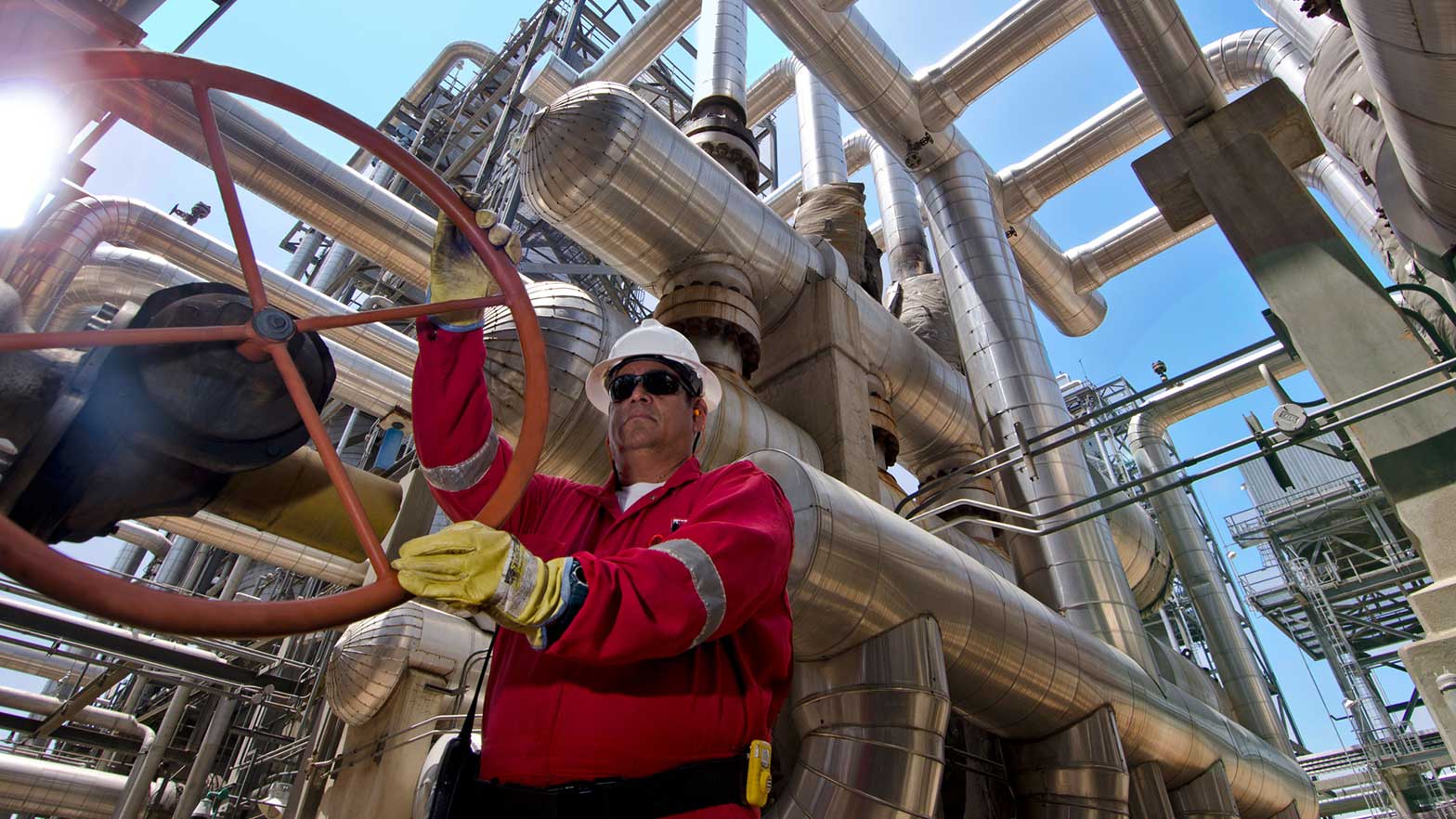
Which U.S. Oil Companies Could Invest in Venezuela?

Trump’s Oil Claim Reignites Global Energy Debate

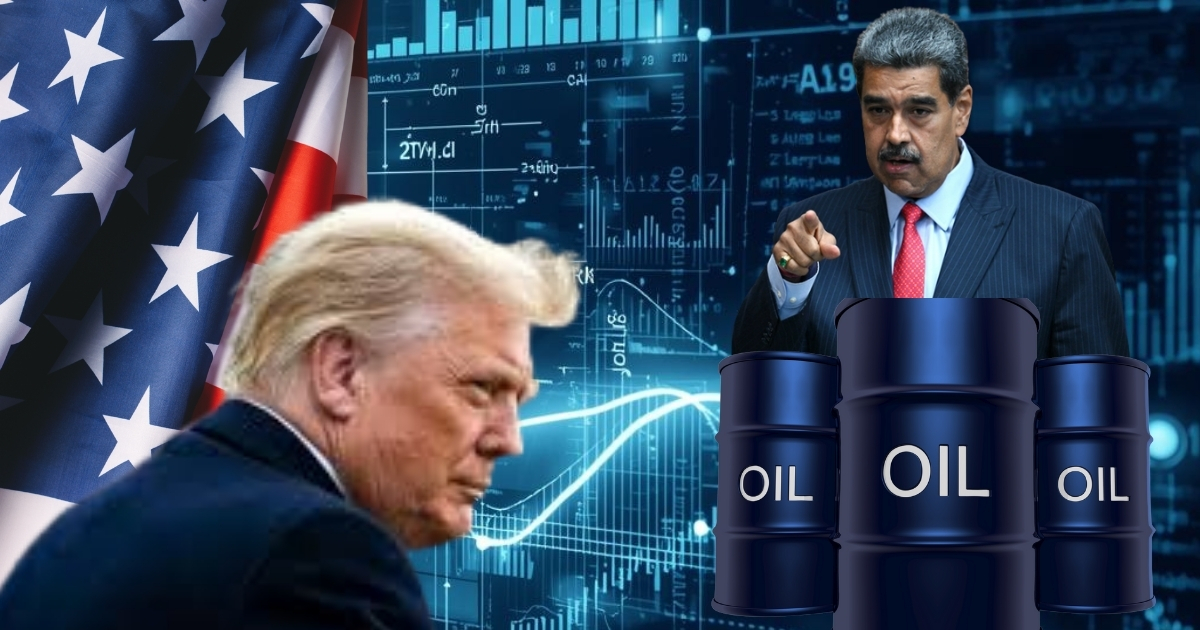
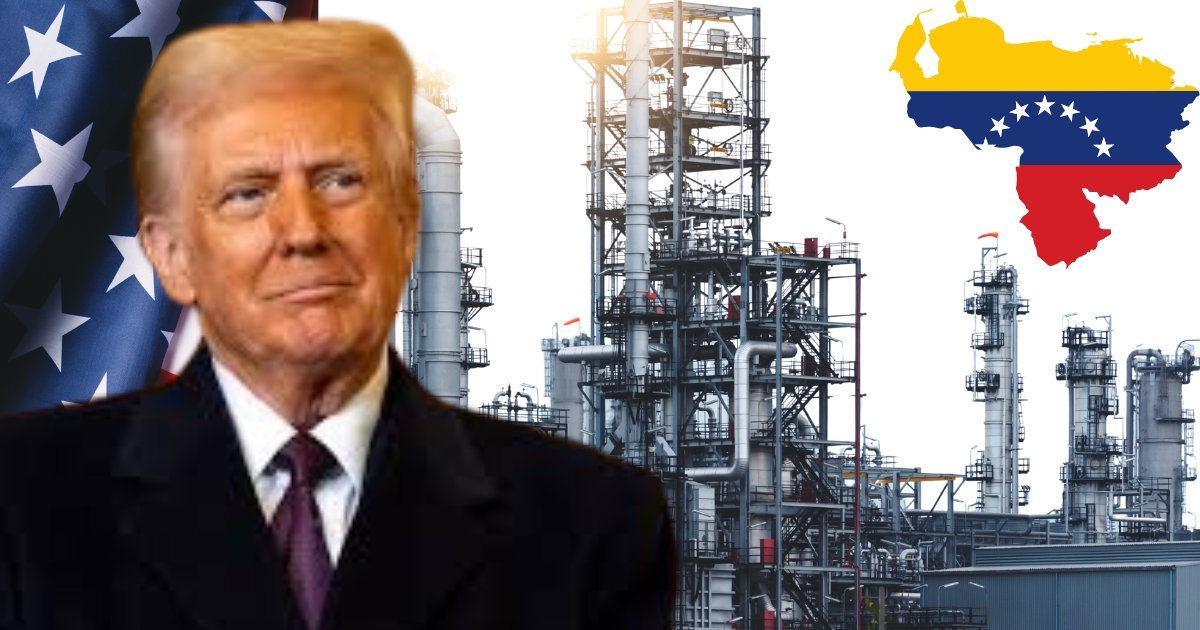
Former U.S. President Donald Trump has once again placed Venezuela at the center of global energy discussions after claiming that the United States received oil worth $4 billion from the South American nation.

Speaking during a high-level meeting with American oil executives, Trump framed the move as part of a broader effort to reclaim U.S. influence over strategic energy assets and stabilize global oil markets.
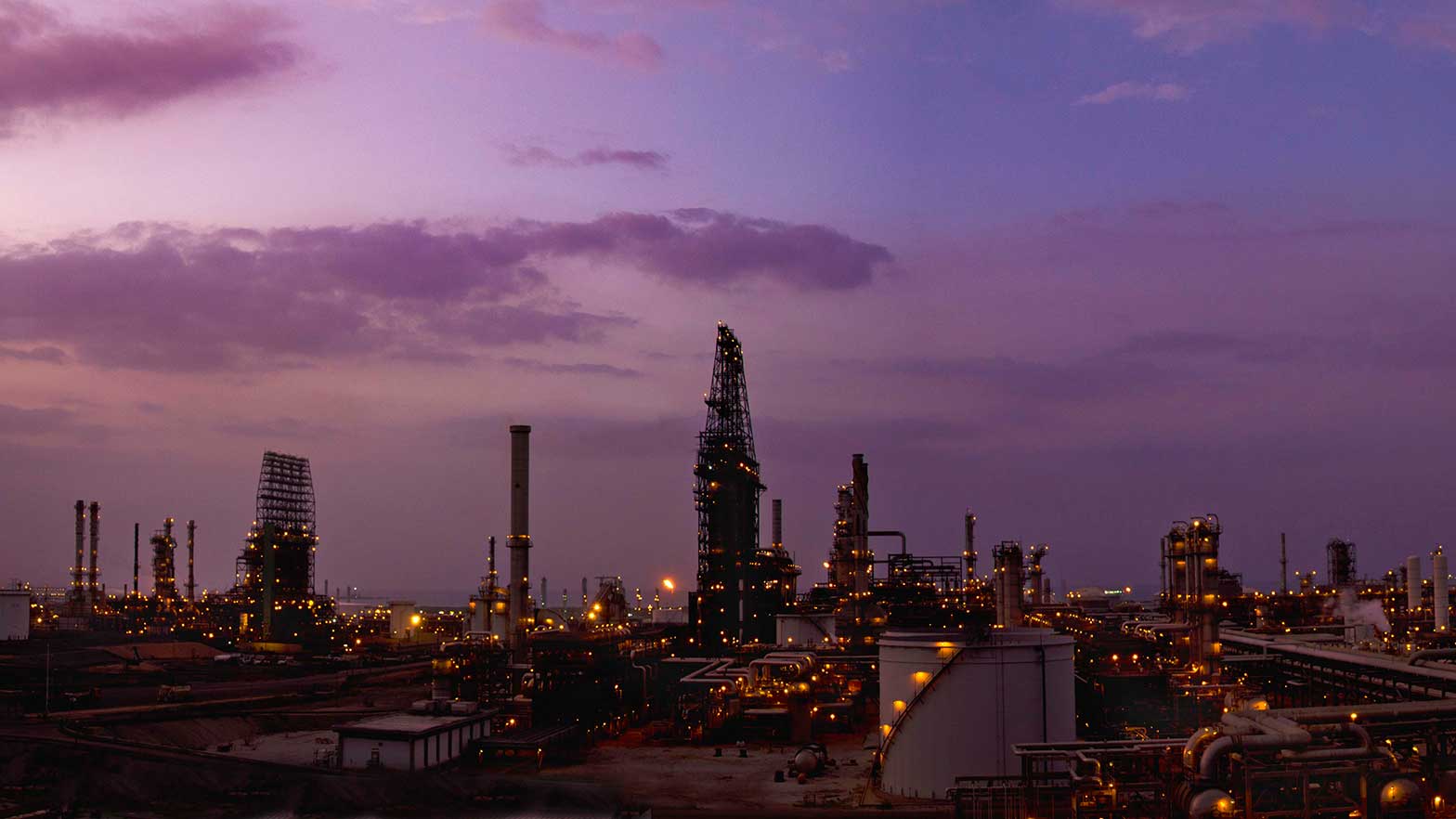
The statement immediately sparked intense debate among analysts, governments, and investors. While some view the claim as a bold signal of renewed U.S. engagement in Venezuela, others question the feasibility, legality, and long-term implications of such a move. At the heart of the discussion lies one critical question: which U.S. oil companies could realistically invest in Venezuela?

https://www.ft.com/content/4c21c031-443e-4834-a7a6-3dd59672b54e?utm_source=chatgpt.com

Understanding this issue requires a closer look at Venezuela’s oil history, the role of American energy giants, and the political and economic risks that continue to surround the country.

Venezuela’s Oil Industry — From Global Giant to Economic Collapse

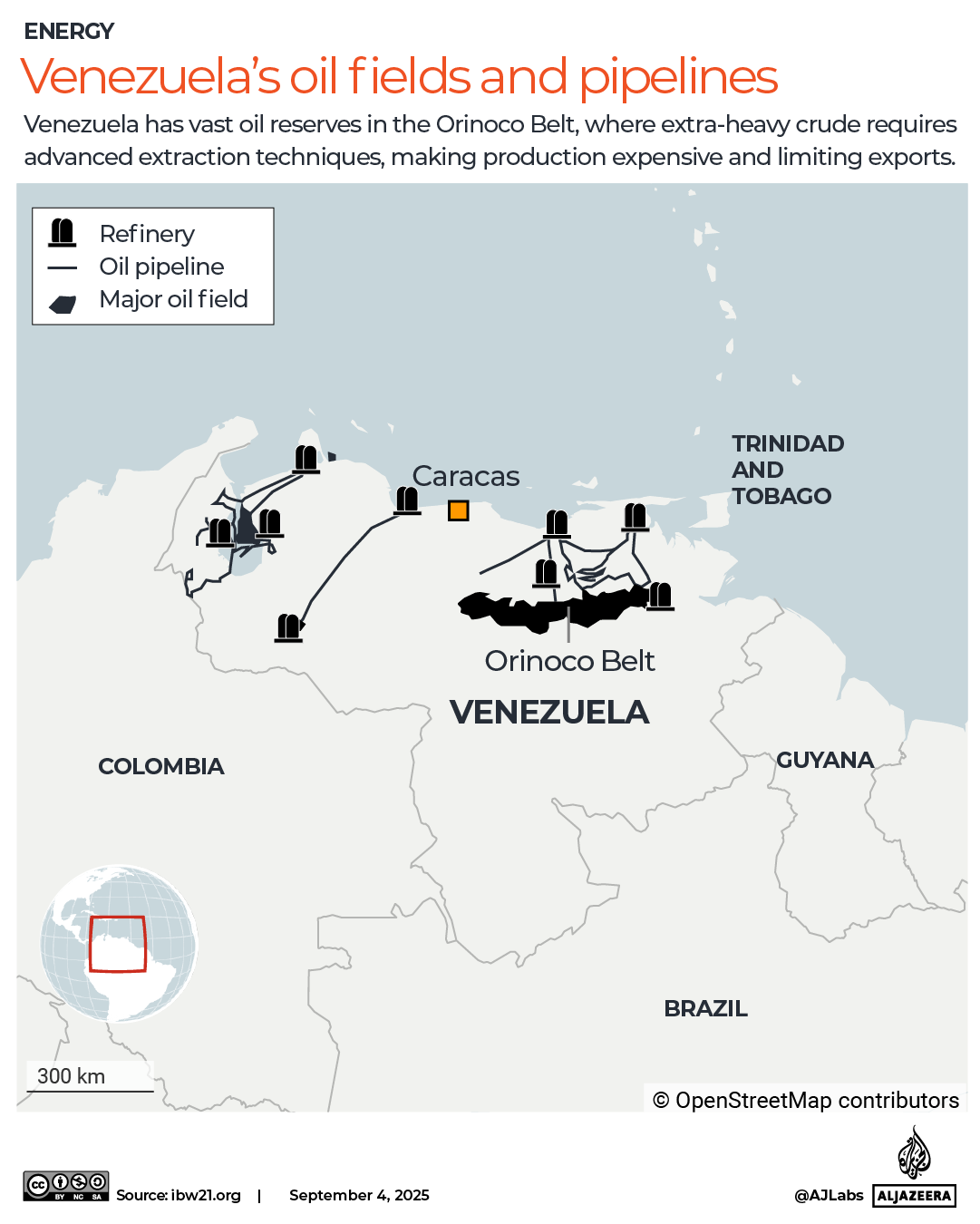
Venezuela holds the largest proven oil reserves in the world, surpassing even Saudi Arabia. For decades, oil revenue powered the country’s economy and funded social programs, infrastructure, and international influence. However, years of mismanagement, corruption, sanctions, and declining investment led to the collapse of production capacity.

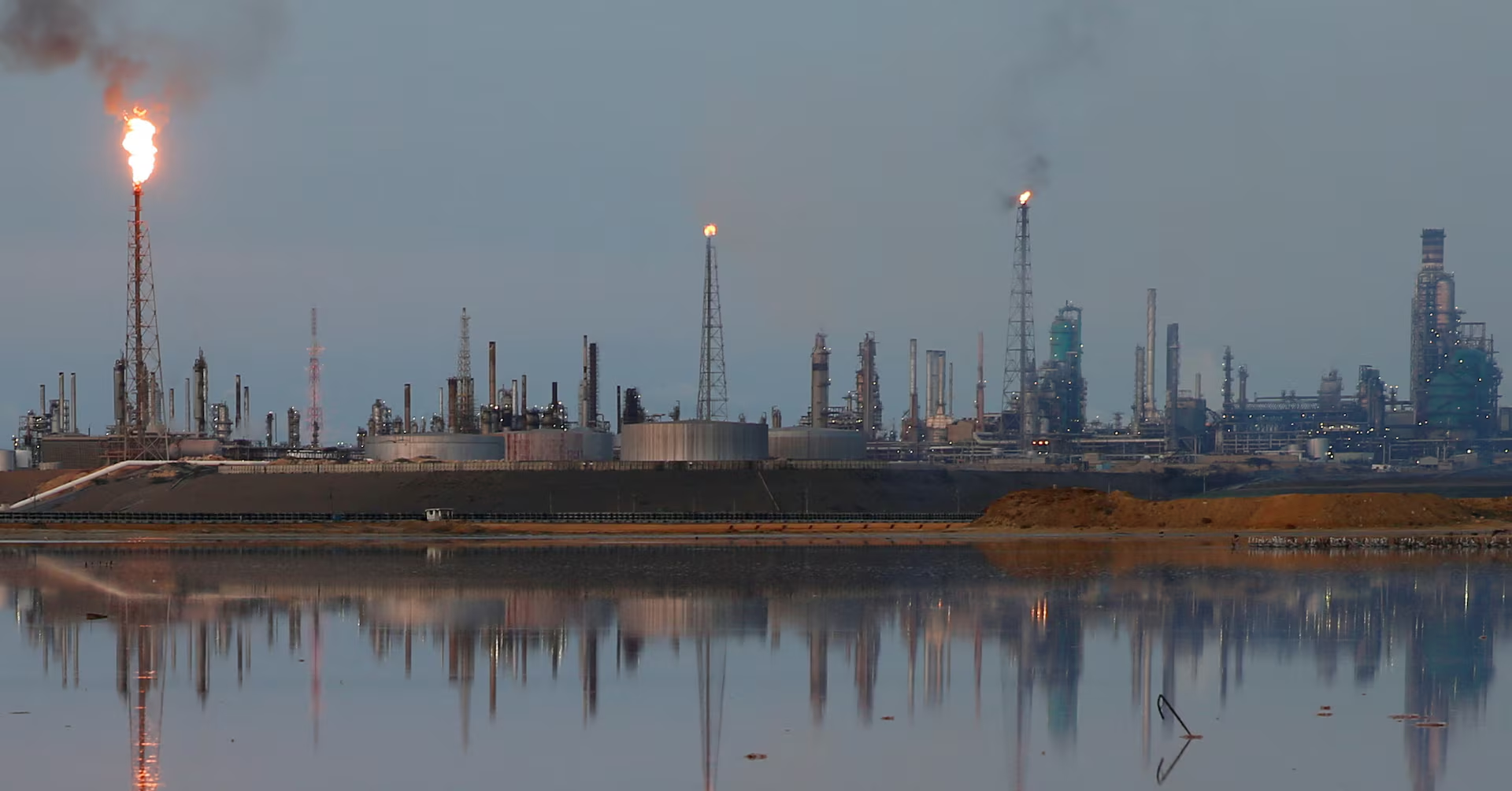
Under the leadership of Nicolás Maduro, Venezuela’s state oil company PDVSA struggled to maintain aging facilities, retain skilled workers, and access global capital markets. Production fell from over three million barrels per day to a fraction of that amount, leaving the country economically isolated.
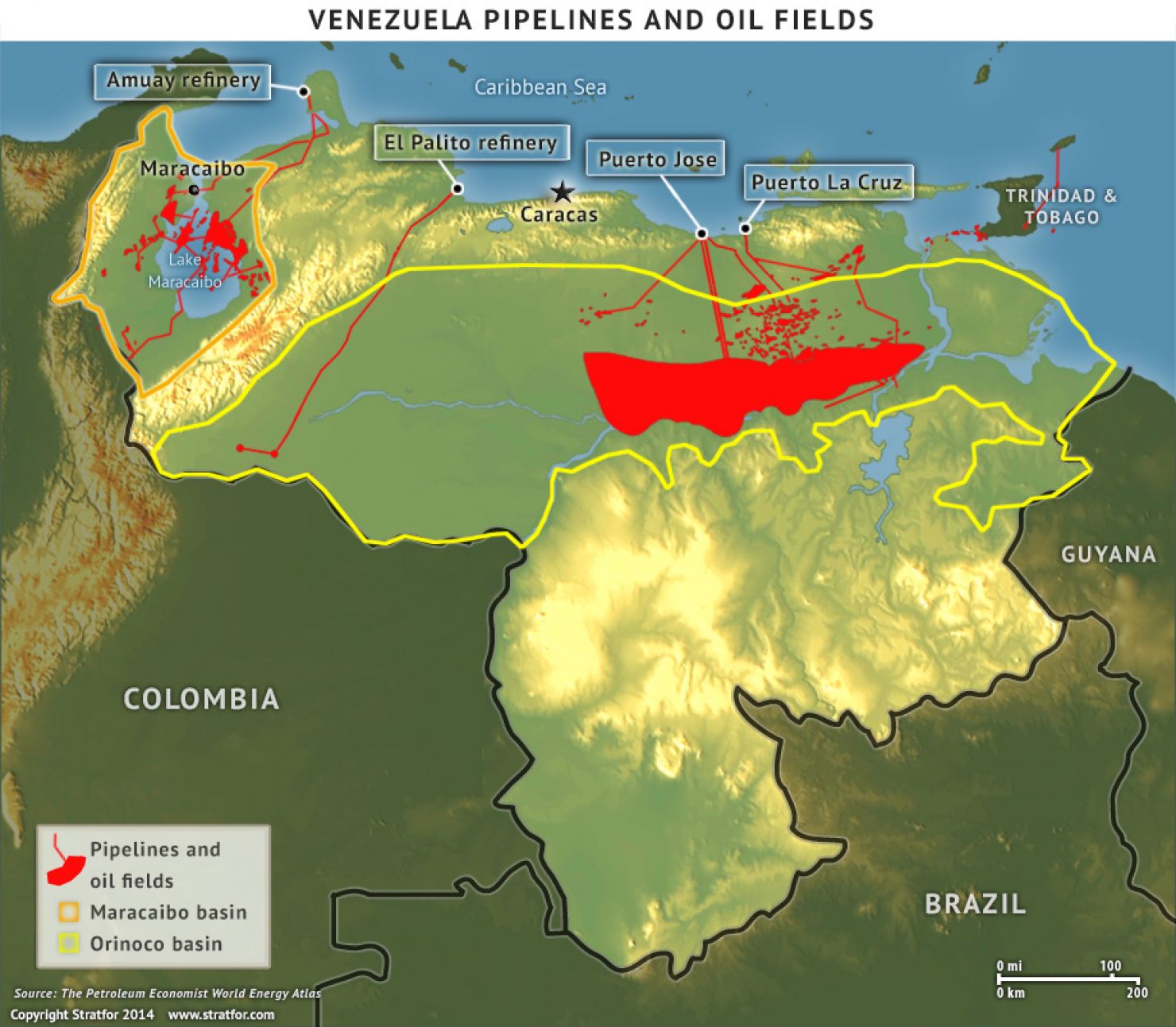
This decline created an opening for potential foreign involvement, particularly from companies with the technical expertise and financial capacity to revive complex oil operations. U.S. firms, once deeply embedded in Venezuela’s energy sector, are now being discussed as possible partners in a future recovery.

Why U.S. Oil Companies Matter in Venezuela

American oil companies possess some of the most advanced extraction, refining, and logistics technologies in the world. Venezuela’s heavy crude oil requires specialized processing techniques that many U.S. refineries are uniquely equipped to handle. This technical compatibility makes U.S. involvement economically attractive, at least in theory.

Trump has repeatedly argued that American companies helped build Venezuela’s oil industry decades ago and therefore have a legitimate claim to participate in its reconstruction. According to this narrative, renewed U.S. investment would benefit both nations by increasing supply, lowering prices, and restoring economic stability.

However, major energy firms operate on long-term risk assessments, not political rhetoric. For them, legal guarantees, contract stability, and regulatory clarity are essential before committing billions of dollars to any project.

Chevron — The Most Likely U.S. Investor

Among all American oil companies, Chevron is widely considered the most likely to expand its presence in Venezuela. Chevron has maintained limited operations in the country even during periods of strict U.S. sanctions, operating under special licenses that allowed it to export Venezuelan crude to the United States.

The company has decades of experience working with PDVSA and already understands the technical and political landscape. This existing footprint gives Chevron a strategic advantage over competitors that exited Venezuela entirely following nationalizations and legal disputes.
If sanctions are further relaxed or restructured, Chevron could scale up production relatively quickly. Analysts believe it would focus on restoring output from existing joint ventures rather than launching entirely new projects, minimizing upfront risk.

ExxonMobil — Cautious but Influential

ExxonMobil is another major U.S. energy giant frequently mentioned in discussions about Venezuela’s future. However, ExxonMobil’s relationship with the country is far more complicated. The company lost significant assets during Venezuela’s wave of nationalizations and later pursued international arbitration claims.

Executives at ExxonMobil have previously described Venezuela as “uninvestable” without sweeping legal reforms. Despite this stance, the company’s technical capabilities and global influence mean it cannot be ignored in any serious conversation about reviving Venezuelan oil production.

If a new framework emerges that guarantees asset protection and contract enforcement, ExxonMobil could reconsider its position. Until then, its involvement is more likely to remain indirect, through advisory roles or limited partnerships.

ConocoPhillips — Tied by History and Arbitration

ConocoPhillips also has deep historical ties to Venezuela. Like ExxonMobil, it lost assets during nationalization and later won arbitration awards against the Venezuelan state. These unresolved financial disputes complicate any immediate return to the country.

ConocoPhillips still holds deep technical knowledge of Venezuelan oil fields and could re-enter the country if unresolved claims are settled through broader negotiations. Analysts say any investment would likely be tied to debt restructuring or compensation deals, allowing the company to recover losses while supporting a gradual recovery in oil production.

Such arrangements would require strong political backing and international mediation, making them complex but not impossible.

Refiners and Service Companies — The Supporting Cast

Beyond the major producers, several U.S. refining and oil service companies could benefit from renewed Venezuelan output. Firms such as Valero, Marathon Petroleum, and Halliburton may not directly invest in oil fields but could play crucial roles in refining, logistics, and technical support.

Venezuelan crude is particularly well-suited for certain U.S. Gulf Coast refineries designed to process heavy oil. Increased supply could improve refinery margins and stabilize fuel prices in the United States.

Oil service companies, meanwhile, could provide drilling equipment, maintenance services, and engineering expertise needed to restart dormant fields. These firms often enter markets earlier than producers, positioning themselves for long-term contracts.

Despite Trump’s optimistic claims, significant obstacles remain. Venezuela’s legal system lacks transparency, and past contract breaches have left foreign investors wary. Any large-scale investment would require ironclad legal protections recognized by international courts.

Sanctions also remain a key issue. While limited licenses exist, full normalization would require political agreements that go beyond the energy sector. Changes in U.S. leadership or policy priorities could quickly reverse current arrangements, adding another layer of uncertainty.

For energy companies accustomed to planning projects decades in advance, this instability represents a major deterrent.

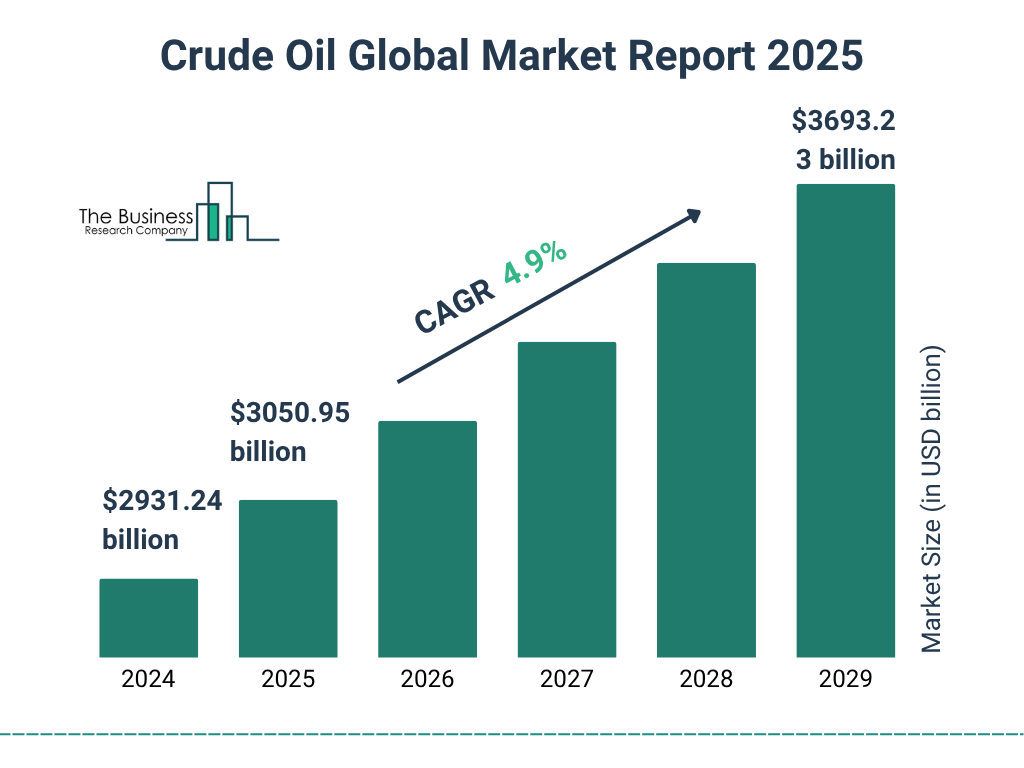
If U.S. companies succeed in restoring Venezuelan production, the effects could be felt worldwide. An increase of even one million barrels per day would significantly alter global supply dynamics, potentially lowering prices and reducing the influence of other major producers.

https://www.reuters.com/business/energy/white-house-gathers-oil-majors-traders-drillers-venezuela-2026-01-09/?utm_source=chatgpt.com

Such a shift could weaken OPEC’s pricing power and provide consuming nations with greater energy security. For the United States, access to nearby heavy crude could reduce reliance on distant suppliers and stabilize domestic fuel markets.

However, analysts caution that rebuilding Venezuela’s industry could take years, even under ideal conditions. Infrastructure damage, workforce shortages, and environmental risks cannot be resolved overnight.

What Comes Next for U.S. Companies and Venezuela

For now, Trump’s statements appear to be more of a strategic signal than a confirmation of completed deals. Oil companies are closely monitoring political developments, regulatory changes, and market signals before committing resources.

Chevron remains best positioned to expand, while ExxonMobil and ConocoPhillips wait for stronger guarantees. Refiners and service companies stand ready to move if conditions improve.

https://www.reuters.com/business/energy/us-oil-companies-say-they-need-guarantees-invest-venezuela-ft-reports-2026-01-08/?utm_source=chatgpt.com

Whether this moment marks the beginning of Venezuela’s return to the global oil stage or another chapter of unfulfilled promises will depend on actions taken in the months ahead.

Conclusion — Opportunity Meets Uncertainty

Venezuela’s vast oil reserves represent both an enormous opportunity and a profound risk. U.S. oil companies have the expertise to revive production, but only if political stability, legal certainty, and economic reforms follow.

Trump’s bold claims have reignited interest and speculation, but the path from rhetoric to reality remains uncertain. For investors, governments, and consumers alike, the future of Venezuelan oil will be a story to watch closely — one that could reshape global energy markets for years to come.

🔗: https://sumlera.com/trump-says-us-received-4b-in-venezuelan-oil/
Trump says US received $4B in Venezuelan oil.

Trump Claims Venezuela Gave the US $4 Billion in Oil — What Happens Next

Trump’s Statement That Shook the Energy World

During a high-profile meeting with top executives from major American oil companies, Donald Trump made a striking claim: the United States had received Venezuelan oil worth approximately $4 billion, equivalent to 30 million barrels, in a single day. The statement immediately drew global attention, not only because of its sheer scale, but also because of its geopolitical implications.

 🔗: https://www.bbc.com/news/articles/c4grxzxjjd8o

Trump framed the claim as part of a broader effort to put “America First” in global energy markets. According to his remarks, the oil transfer would primarily benefit the United States while also providing limited financial relief to Venezuela. The comments sparked intense debate among economists, diplomats, and energy analysts worldwide.

While no official documentation was presented during the meeting, Trump insisted that the arrangement marked the beginning of a long-term strategy involving Venezuelan crude, US refining capacity, and global oil supply chains.

The Context — Venezuela’s Oil Industry in Crisis

Venezuela sits atop the largest proven oil reserves in the world, yet its energy sector has been crippled for years by mismanagement, sanctions, and underinvestment. Once a global powerhouse capable of producing more than three million barrels per day, the country’s output has fallen dramatically.

Under the leadership of Nicolás Maduro, Venezuela’s state-run oil company PDVSA struggled with aging infrastructure, technical brain drain, and limited access to international capital. US sanctions further isolated the country from global markets, sharply restricting its ability to sell crude oil freely.

Trump’s claim suggests a dramatic shift away from this status quo, raising questions about whether sanctions were eased, bypassed, or restructured in ways not yet fully disclosed.

How Could a $4 Billion Oil Transfer Work?

Energy experts note that 30 million barrels of oil roughly aligns with Trump’s stated valuation, depending on global crude prices and oil quality. Such a volume, however, would normally require extensive logistics, contracts, shipping capacity, and refining agreements.

Trump asserted that the United States helped build Venezuela’s oil industry decades ago and is now “taking back what was taken.” This rhetoric suggests a political narrative rather than a traditional commercial transaction. Analysts stress that moving such a quantity of oil would typically take weeks, not days, under standard market conditions.

The lack of clarity has fueled speculation about whether the claim refers to:

  • A future supply agreement,

  • Oil already allocated for US companies, or

  • A theoretical market value rather than a completed delivery.

Immediate Impact on Global Oil Markets

Even the perception of additional oil entering the US market can influence prices. Following Trump’s remarks, traders closely watched crude benchmarks for signs of volatility. A sustained flow of Venezuelan oil into US refineries could increase supply and place downward pressure on fuel prices, especially gasoline and diesel.

However, analysts caution that the global oil market is complex. Factors such as OPEC+ production limits, Middle East tensions, and demand fluctuations in Asia could easily outweigh the effects of Venezuelan crude re-entering the market.

If the US were granted long-term access to Venezuelan oil, it could reshape global energy trade routes and weaken the leverage of other major exporters.

US Oil Companies and Their Role

Trump’s meeting reportedly included leaders from some of the largest US energy firms, including Chevron, ExxonMobil, and ConocoPhillips. These companies have historical ties to Venezuela and possess the technical expertise required to revive production.

Yet executives have long described Venezuela as “high-risk” due to legal uncertainty and past nationalizations. Without clear property rights, profit-sharing rules, and political stability, large-scale investment remains unlikely.

Trump suggested that American companies could help rebuild Venezuela’s oil infrastructure rapidly, unlocking millions of barrels per day for global markets. Industry insiders remain cautious, emphasizing that rebuilding could take years and tens of billions of dollars.

Legal and Diplomatic Questions

One of the biggest uncertainties surrounding Trump’s claim involves international law. Venezuela is a sovereign nation, and its oil resources are legally owned by the state. Any large-scale transfer of oil to another country would normally require transparent agreements recognized by international institutions.

Diplomats warn that unilateral claims could escalate tensions in Latin America and beyond. Countries such as China and Russia, both with significant interests in Venezuela, may view expanded US involvement as a strategic threat.

Human rights organizations have also raised concerns that oil revenues might bypass the Venezuelan population, doing little to improve living conditions on the ground.

What This Means for the United States

From a US perspective, access to Venezuelan oil could:

  • Strengthen energy security,

  • Reduce dependence on Middle Eastern suppliers,

  • Support domestic refining and fuel stability.

Trump portrayed the move as a win for American workers and consumers, arguing that cheaper energy would boost the economy. However, critics argue that political uncertainty could undermine any short-term benefits.

If no formal agreements materialize, the claim may remain symbolic rather than transformative.

Reactions From Venezuela and Abroad

Official reactions from Caracas were muted, with no immediate confirmation matching Trump’s figures. Regional governments in Latin America expressed caution, emphasizing the importance of respecting national sovereignty.

European allies also sought clarification, noting that changes to Venezuelan oil flows could affect global supply balances and sanctions frameworks.

International observers stress that without transparent documentation, it is impossible to verify whether oil worth $4 billion has actually changed hands.

Is This the Start of a New Energy Era?

Trump also claimed that Venezuela had agreed to allow the US to begin refining and selling up to 50 million barrels of crude immediately, with no defined end date. If accurate, such an arrangement would mark one of the most significant shifts in global energy politics in decades.

🔗:https://www.siasat.com/trump-outlines-us-led-revival-of-venezuela-oil-sector-3323587/

Yet experts emphasize that oil diplomacy rarely moves this fast. Infrastructure constraints, legal barriers, and geopolitical resistance could all slow or block implementation.

For now, the claim stands as a bold statement with potentially far-reaching consequences — but many unanswered questions.

What Comes Next?

In the coming weeks, markets will look for concrete evidence: shipping data, refinery inputs, official contracts, or policy announcements. Without these, skepticism will remain high.

Whether Trump’s declaration represents a real transfer of oil or a political signal aimed at reshaping negotiations, it has already reignited global debate about Venezuela’s resources and America’s role in the energy future.

One thing is certain: if Venezuelan oil truly begins flowing to the United States at scale, the ripple effects will be felt far beyond Washington and Caracas.

Why NATO Officials Warn the U.S. in 2026 About Greenland

NATO Official Issues Stark Warning to the U.S. Over Greenland

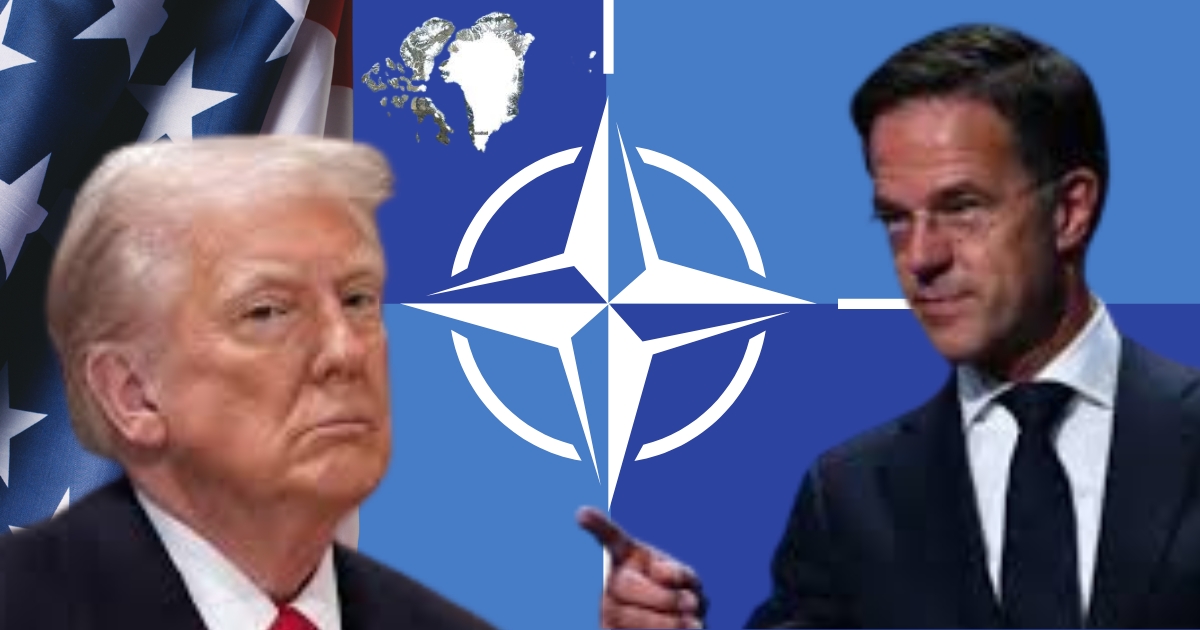
Tensions between the United States and Europe have escalated after a senior NATO-linked official issued a dramatic warning regarding Greenland. Amid renewed speculation that former U.S. President Donald Trump could pursue control over the Arctic island, even through military means, concerns are growing about a potential fracture within the transatlantic alliance.

The warning comes at a sensitive moment for NATO, as geopolitical competition in the Arctic intensifies and global security dynamics shift rapidly heading into 2026.

NATO Expansion Committee Chair Responds to Greenland Claims

🔗Europeans should act on Greenland issue — Le Monde
https://www.lemonde.fr/en/opinion/article/2026/01/09/instead-of-commenting-on-the-unthinkable-europeans-should-take-action-in-greenland_6749234_23.html

Gunther Fehlinger, Chairman of the NATO Expansion Committee in Austria, delivered a sharp message to Washington in response to online claims suggesting that the United States might consider annexing Greenland. His remarks were shared widely on social media and quickly sparked international debate.

Fehlinger warned that any attempt by the U.S. to seize Greenland would lead to immediate and severe consequences, including the confiscation of American military bases across Europe. According to him, such a move would fundamentally alter the balance of power established since World War II.

“If You Take Greenland, You Must Leave Europe”

https://komonews.com/news/nation-world/europe-on-edge-as-white-house-doesnt-rule-out-military-force-to-acquire-greenland-denmark-europe-nato-military-national-security-critical-minerals

In a video published online, Fehlinger stated that if the U.S. were to annex Greenland, European nations would respond decisively. He claimed that all American military installations across the continent would be taken over, forcing U.S. forces to withdraw entirely from Europe.

He specifically referenced major bases stretching from southern Europe to Central and Eastern Europe, arguing that the United States would lose the strategic positions that have underpinned its global influence for decades.

The Strategic Importance of U.S. Bases in Europe

American military bases in Europe have long been considered a cornerstone of Western security. Facilities in Italy, Germany, Romania, and other NATO member states play a critical role in deterrence, logistics, and rapid response operations.

Analysts warn that losing access to these bases would severely weaken Washington’s ability to project power beyond North America. It would also reshape Europe’s security architecture, forcing EU nations to accelerate plans for military autonomy.

Social Media Video Goes Viral on X and Reddit

https://apnews.com/article/2b12bb104faaaafda2ed270febfb0522

Fehlinger’s video rapidly circulated on X and Reddit, drawing millions of views and sparking polarized reactions. Supporters praised the firm stance, while critics questioned whether the remarks reflected official NATO policy or personal opinion.

The viral spread of the video highlights how geopolitical messaging increasingly unfolds online, often blurring the line between official diplomacy and political signaling.

Response to Provocative Pro-Trump Post

The Austrian politician was responding in part to a post shared by MAGA-aligned podcaster Katie Miller. She posted an image of Greenland overlaid with the U.S. flag, accompanied by the caption “Coming soon,” a message widely interpreted as provocative.

Fehlinger addressed Miller directly, insisting that Europe could defend itself independently. He emphasized that European nations no longer rely solely on American nuclear protection or U.S. troops stationed on the continent.

Europe’s Growing Push for Strategic Autonomy

Fehlinger’s comments reflect a broader trend within Europe toward strategic independence. In recent years, several European leaders have argued that the continent must be capable of defending itself without total reliance on U.S. military power.

Initiatives focused on joint defense procurement, increased military spending, and rapid reaction forces have gained momentum, particularly amid uncertainty over future U.S. foreign policy direction.

Greenland’s Rising Geopolitical Value

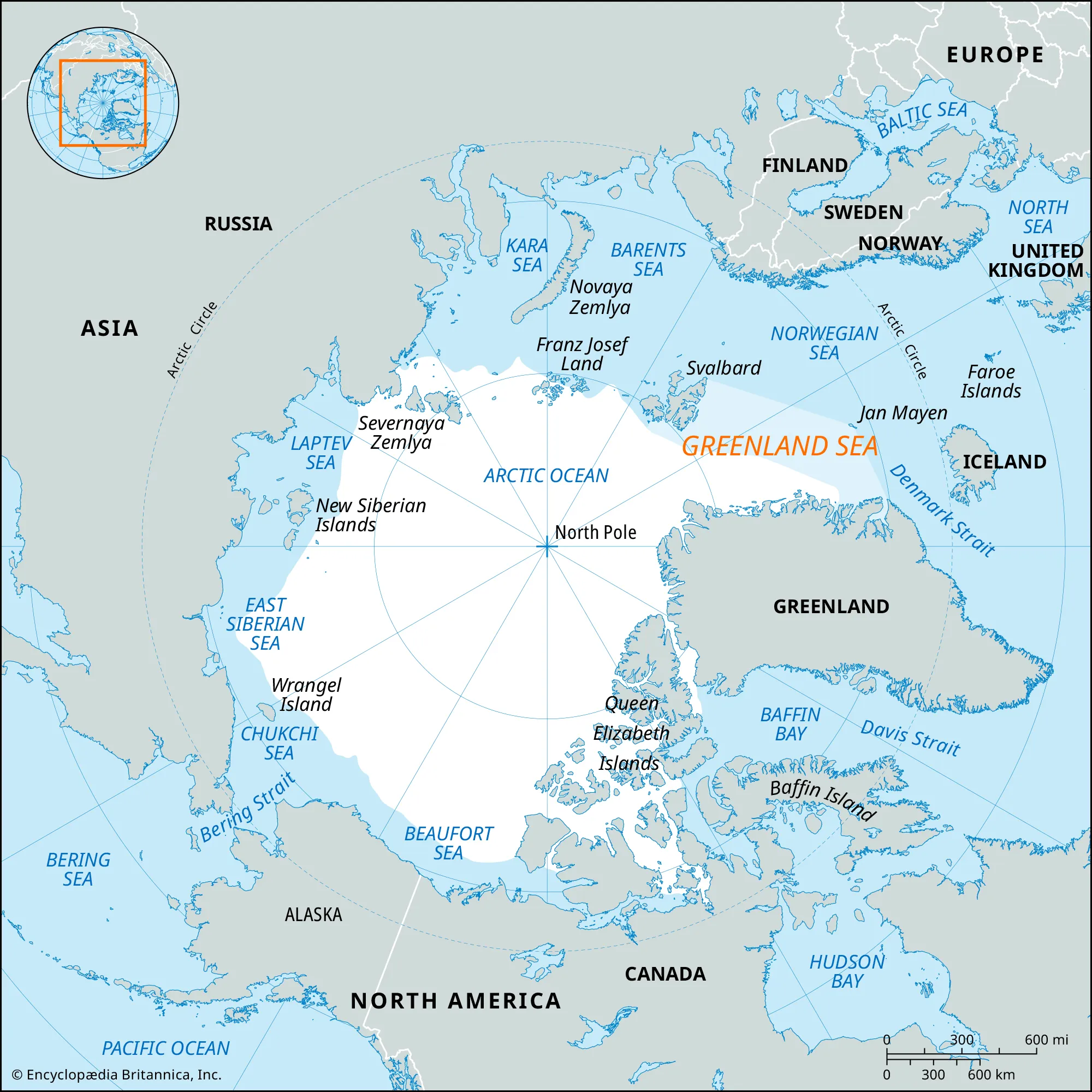
Greenland has become increasingly important due to its strategic Arctic location, rare earth resources, and proximity to emerging polar shipping routes. As climate change accelerates ice melt, the island’s economic and military significance has grown substantially.

Experts note that control over Greenland would provide unmatched strategic leverage in the Arctic, a region now central to competition between global powers including Russia, China, and the United States.

Could a Greenland Move Break NATO?

Several European officials have warned that any unilateral U.S. move to take Greenland could trigger a crisis within NATO. Such an action would violate the principles of alliance consensus and respect for sovereignty that underpin the organization.

Some analysts argue that this scenario could even lead to the fragmentation of NATO, reshaping global security alliances and weakening Western unity at a time of increasing global instability.

International Reactions and Expert Warnings

Security experts quoted by major international outlets caution that the rhetoric surrounding Greenland must be taken seriously. Even if symbolic, such statements can escalate tensions and provoke miscalculations among allies.

They warn that political posturing ahead of the 2026 election cycle could intensify, making Greenland a flashpoint in a broader struggle over Arctic dominance and transatlantic leadership.

What This Means for the U.S.–Europe Relationship

The controversy underscores growing uncertainty about the future of U.S.–European relations. Trust built over decades could erode quickly if allies perceive Washington as acting unilaterally or disregarding European security concerns.

For Europe, the message is clear: prepare for a future where American guarantees may no longer be unconditional. For the U.S., the warning serves as a reminder that alliances are based on cooperation, not coercion.

Conclusion: A Warning That Resonates Beyond Greenland

Gunther Fehlinger’s warning may not represent official NATO policy, but it has resonated across Europe and beyond. The Greenland debate has become a symbol of deeper anxieties about power, sovereignty, and the future of Western alliances.

🔗: https://sumlera.com/what-trumps-greenland-idea-really-was-a-100k-offer/

As 2026 approaches, geopolitical observers agree on one thing: decisions made around Greenland could have consequences far beyond the Arctic, potentially redefining the global balance of power for years to come.

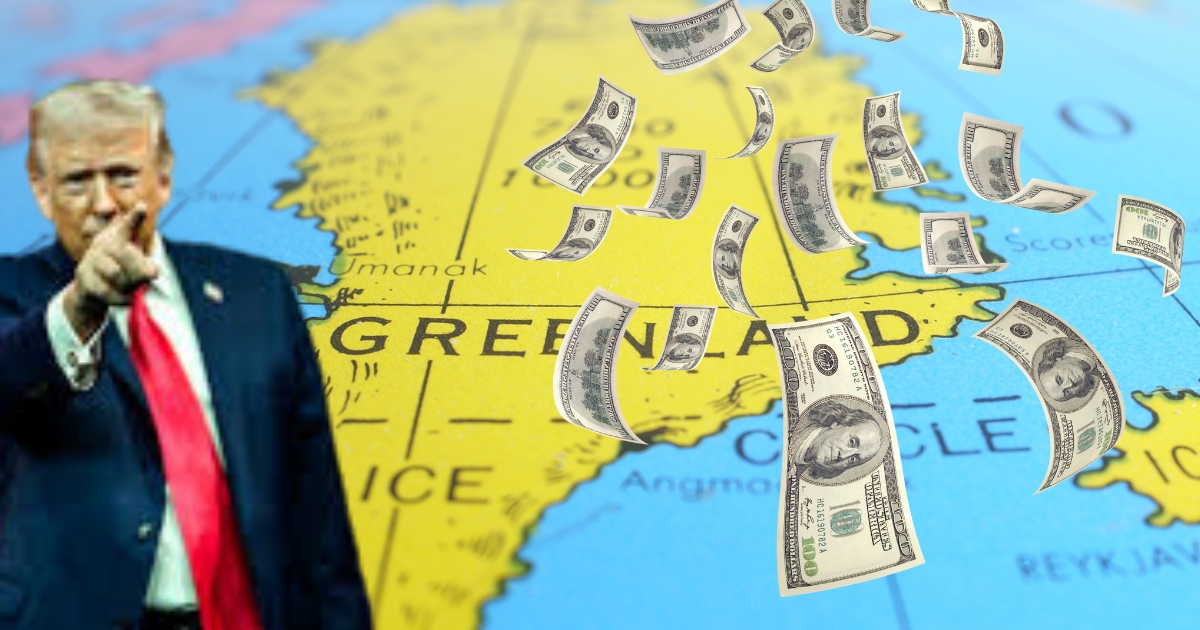
What Trump’s Greenland Idea Really Was A $100K Offer?

Trump’s $100,000 Greenland Offer Sparks Global Shock

Reports suggesting that the Trump administration explored the possibility of paying residents of Greenland up to $100,000 per person in exchange for joining the United States have triggered widespread debate, political backlash, and renewed global attention on the Arctic island’s future. According to sources cited by Reuters, the idea—while not officially confirmed—was discussed internally by U.S. officials and reflects a highly unconventional approach to territorial expansion.

The proposal, if ever implemented, would represent one of the most controversial geopolitical strategies in modern U.S. history. It raises serious questions about sovereignty, international law, economic ethics, and the will of the Greenlandic people, many of whom have long debated independence from Denmark but remain skeptical of closer ties with Washington.

A Controversial Proposal Emerges

Sources familiar with the matter told Reuters that U.S. officials, including individuals within the White House, discussed figures ranging from $10,000 to $100,000 per Greenland resident. While no formal plan was announced, the very discussion of such payments highlights how far the Trump administration was willing to go to secure strategic advantages in the Arctic region.

Greenland, the world’s largest island, occupies a critical geopolitical position. Its proximity to the Arctic Circle, growing relevance due to climate change, and vast natural resources have made it increasingly attractive to global powers. The U.S. already maintains a military presence there, including the strategically important Thule Air Base.

👉 You can read more about U.S. Arctic strategy in our analysis on America’s growing interest in Arctiterritorie

(https://greekcitytimes.com/2026/01/09/trump-plan-to-buy-greenland-by-offering-100000-per-resident/?utm_source=chatgpt.com).

Why Greenland Matters to the United States

Greenland’s strategic value cannot be overstated. As melting ice opens new shipping routes and access to untapped minerals, the Arctic is rapidly becoming a focal point of global competition. Rare earth elements, oil reserves, and geopolitical positioning make Greenland a prize that major powers are unwilling to ignore.

For Washington, securing Greenland would not only strengthen its Arctic footprint but also counter growing influence from rivals such as Russia and China. This broader strategic vision helps explain why the Trump administration repeatedly floated the idea of acquiring the island—even if the methods proposed appeared unorthodox.

Rubio Rejects Military Force

Earlier this week, U.S. Secretary of State Marco Rubio publicly ruled out the use of military force to take control of Greenland. He emphasized that Washington would prefer diplomatic or economic avenues rather than coercion or invasion.

Rubio’s remarks came amid rising speculation and international concern following renewed comments from Donald Trump about “buying” Greenland. While the former president has previously framed the idea as a real estate-style transaction, critics argue that such language trivializes issues of national identity and self-determination.

👉See our breakdown of U.S. foreign policy under Trump for similar transactional approaches in diplomacy.https://www.foxnews.com/politics/trump-admin-reportedly-considers-paying-each-greenland-resident-100k-us-takeover-talks?utm_source=chatgpt.com


A “Transactional” and Offensive Idea?

Many analysts have described the proposal to pay Greenlanders directly as overly transactional and even humiliating. Unlike traditional state-to-state negotiations, offering cash to individual citizens risks being perceived as an attempt to “buy loyalty” rather than respect democratic processes.

Greenland has spent decades navigating its relationship with Denmark, gradually gaining increased autonomy. Discussions about independence are ongoing, but they are deeply rooted in cultural identity, economic sustainability, and political sovereignty—not one-time financial incentives.


Greenland’s Leadership Pushes Back

The reaction from Greenland’s leadership was swift and forceful. The Prime Minister of Greenland responded publicly, writing:
“Enough… enough with the fantasies of annexation.”

This statement underscored widespread frustration among Greenlandic officials, who argue that decisions about the island’s future must come from its people—not from foreign powers making unilateral offers.

Local leaders have repeatedly stressed that Greenland is not for sale, echoing similar statements made by Denmark in response to earlier remarks by Trump.

Public Opinion in Greenland

Polling data consistently shows that a majority of Greenlanders support the idea of eventual independence from Denmark. However, support drops sharply when respondents are asked whether they would favor joining the United States.

While many residents see independence as a long-term goal, concerns about economic stability, public services, and international recognition remain major obstacles. Denmark currently provides significant financial support, which many fear would be difficult to replace overnight.

👉Explore our article on the economic challenges of small nations seeking independence https://www.reuters.com/world/europe/trump-administration-mulls-payments-sway-greenlanders-join-us-2026-01-08/?utm_source=chatgpt.com

Economic Reality vs Political Ambition

One of the central challenges facing Greenland is economic viability. With a small population and limited infrastructure, full independence would require massive investment, careful planning, and long-term international partnerships.

Critics argue that offering cash payments—even large ones—does little to address these structural challenges. Instead, it risks oversimplifying a complex national conversation into a short-term financial calculation.

International Law and Ethical Concerns

From an international law perspective, the idea of paying residents to alter national borders raises serious concerns. Territorial changes typically require treaties, referendums, and international recognition—not financial incentives directed at individuals.

Legal experts warn that such a move could set a dangerous precedent, encouraging powerful nations to use economic leverage to influence smaller populations.

Denmark’s Position

Denmark has consistently rejected any notion of selling Greenland. Danish officials have reiterated that Greenland is an autonomous territory with the right to decide its own future.

Copenhagen views continued cooperation—with gradual reforms and increased autonomy—as the most stable path forward. Any attempt to bypass Denmark or pressure Greenlanders directly would likely strain transatlantic relations.

The Bigger Geopolitical Picture

The controversy surrounding Trump’s reported proposal reflects a broader shift in global geopolitics. As climate change reshapes the Arctic, competition for influence, resources, and strategic positioning is intensifying.

Greenland has become a symbol of this new geopolitical reality—where remote regions suddenly find themselves at the center of global power struggles.

What Happens Next?

For now, the reported proposal remains unconfirmed and unofficial. However, its impact is already being felt. It has reignited debates about sovereignty, independence, and the ethics of modern diplomacy.

As Greenland continues to chart its own future, one thing is clear: decisions about the island’s destiny will not be made lightly—or solely based on financial incentives.

MAGA Hat Customer’s Note Leaves Waitress in Tears

Waitress Served Man in MAGA Hat, Saw Note on Check, and Burst into Tears

An Ordinary Shift That Felt Like Any Other

It started like any other shift in the small, busy restaurant. The hum of conversations filled the room, plates clinked, and the smell of fresh food lingered in the air. For the waitress, it was another long day on her feet — juggling tables, remembering orders, and smiling through exhaustion.

She had no idea that before her shift ended, one brief interaction would leave a lasting emotional impact.

Serving strangers was nothing new. Over the years, she had learned to read people quickly — who wanted conversation, who preferred silence, and who might be difficult. Experience had taught her not to expect much beyond routine courtesy.

The Customer That Caught Her Attention

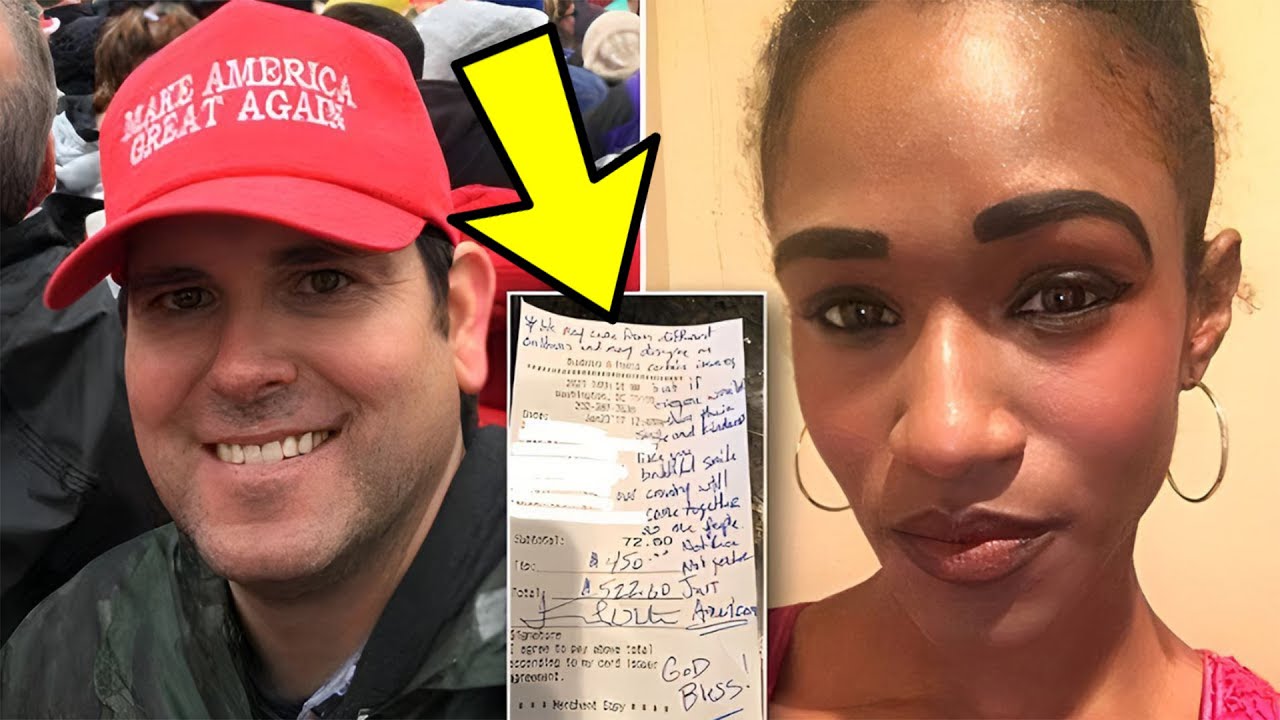
One table, however, stood out the moment she approached it. The man sitting there wore a red MAGA hat, instantly making him noticeable in the restaurant. In recent years, political symbols have become emotionally charged, often sparking assumptions before a single word is exchanged.

She felt a quiet tension. Not fear, but uncertainty.

Stories shared across social media have shown how political divisions can shape everyday interactions, even in service jobs.
🔗 https://www.bbc.com/news/world-us-canada-54056730

Still, professionalism came first. She greeted him politely, took his order, and treated him the same as any other customer.

A Calm and Respectful Interaction

To her surprise, the interaction was calm and respectful. The man was polite, patient, and soft-spoken. He said “please” and “thank you,” asked how her day was going, and didn’t make any demands.

As the meal went on, she found herself relaxing. The tension she had initially felt faded into the background. He ate quietly, occasionally glancing around the room, saying little more than necessary.

Nothing about the encounter hinted that it would become memorable.

The End of the Meal

When it came time to pay, the waitress dropped off the check and moved on to other tables. In the rush of the shift, she didn’t think twice about it. Tips varied from table to table — sometimes generous, sometimes disappointing.

She picked up the check a few minutes later and headed toward the register.

That was when she noticed something unusual.

The Note That Changed Everything

Written on the receipt was a handwritten note.

She paused. Curious, she read it.

The message was simple, heartfelt, and completely unexpected. According to the story shared online, the note expressed gratitude — not just for the service, but for her effort, kindness, and hard work. It reminded her that she was seen, appreciated, and valued.

At that moment, emotion overwhelmed her.

She burst into tears.

An Emotional Release She Didn’t Expect

The tears weren’t just about the note itself. They were about exhaustion, stress, and the weight of daily life. Like many in the service industry, she worked long hours for modest pay, often dealing with rude customers and emotional burnout.

Service workers frequently report high levels of stress and emotional labor, especially in polarized social climates.
🔗 https://www.npr.org/sections/health-shots/2022/06/06/service-workers-burnout

That one message broke through everything she had been holding in.

Breaking Assumptions

What made the moment even more powerful was the contrast between expectation and reality. She had unconsciously assumed the interaction might be uncomfortable simply because of what the hat represented to her.

Instead, she encountered kindness.

The experience forced her to confront her own assumptions — something many people struggle with in an increasingly divided world.

A Story Shared Online

Later, the story was shared online, quickly gaining attention. Thousands of people reacted to it, commenting on the power of small acts of kindness and the danger of judging others based on appearances or symbols alone.

Human-interest stories like this often go viral because they tap into shared emotional experiences.
🔗 https://www.cnn.com/specials/world/human-interest-stories

Readers from all perspectives found something relatable in the moment.

The Power of a Few Words

Psychologists note that unexpected positive feedback can have a profound emotional effect, especially during times of stress. A few kind words, written sincerely, can restore a sense of worth and connection.

For the waitress, the note wasn’t about politics. It was about being treated like a human being.

Life in the Service Industry

Working in food service often means being invisible. Customers come and go, focusing on their own lives, rarely considering the emotional toll on the people serving them.

Many workers describe moments like this as rare but unforgettable — reminders that empathy still exists.

A Deeper Reflection

As she wiped away tears and continued her shift, the waitress carried the moment with her. It didn’t erase her struggles, but it softened them.

She later reflected that kindness doesn’t need to be loud or public. Sometimes, it’s written quietly on a receipt.

Why the Story Resonate

This story resonates because it challenges narratives of constant conflict. It shows that individuals are more complex than symbols, and that empathy can appear in unexpected places.

In a world often divided by headlines, moments like this remind people of shared humanity.

Curiosity and Emotional Storytelling

Stories like this fit naturally into the curiosity and human-interest niche. They don’t rely on shock or controversy, but on emotional truth and relatability.

Readers are drawn in not by politics, but by emotion.

Not About Politics, But People

While the MAGA hat initially framed the encounter, the heart of the story isn’t political. It’s about kindness crossing perceived boundaries and the emotional impact of being seen.

That distinction is why the story continues to be shared.

A Moment That Lasts

Long after the shift ended, the waitress remembered the note. It stayed with her as proof that even brief interactions can matter deeply.

Sometimes, the smallest gestures leave the biggest impressions.

🔗:https://sumlera.com/experts-warn-4-microwave-mistakes-to-avoid/

🔗:https://sumlera.com/maduro-speaks-what-did-venezuelas-president-say/

FBI Said I Was a Stolen Baby, But I Found the..

FBI Said I Was a Stolen Baby, But I Found the Truth

A Life Shaped by a Shocking Claim

For most of his life, he believed the story he had been told. According to official information shared with his family, the Federal Bureau of Investigation had identified him as a baby stolen decades earlier. It was a claim powerful enough to shape an entire identity — one rooted in loss, mystery, and unanswered questions.

Growing up, he sensed that something about his past did not fully add up. There were gaps in records, stories that changed slightly over time, and details that never felt complete. Still, when authorities are involved, doubt often fades into acceptance.

The Weight of an Official Narrative

Being told that you were a stolen baby is not just a statement — it becomes a definition. From that moment on, every memory, relationship, and sense of belonging is filtered through that idea. For years, he accepted this narrative, believing that his life began with a crime he could not remember.

Cases involving missing or stolen children have long captured public attention, especially when law enforcement agencies become involved.
🔗 https://www.bbc.com/news/topics/cyx5krnw38jt/missing-children

For him, the story felt final — until small doubts began to surface.

Questions That Would Not Go Away

As time passed, inconsistencies became harder to ignore. Dates did not always align. Documents were incomplete. Some details appeared based more on assumptions than confirmed evidence.

While the involvement of authorities carries weight, experts note that historical cases involving missing children were often limited by the technology and databases available at the time.
🔗 https://www.reuters.com/world/us/missing-children-cold-cases-2021-08-12/

Slowly, curiosity turned into determination.

Deciding to Search for the Truth

Eventually, he made a choice that would change everything: to investigate his own past. Instead of relying solely on what he had been told, he began reviewing records, requesting files, and speaking to individuals connected to his case.

This process was not easy. Many documents were decades old. Some records were sealed, while others had been lost entirely. Yet each small discovery raised new questions — and weakened the certainty of the original claim.

The Role of DNA and Modern Technology

One of the most significant steps in his journey involved DNA testing. Advances in genetic databases have transformed how people uncover their origins, reconnect with relatives, and resolve long-standing identity questions.

Organizations that track missing children have increasingly relied on DNA as a critical tool.
🔗https://www.missingkids.org/theissues/dna

When the results arrived, they did not fully support the story he had lived with for years.

A Truth More Complex Than Expected

Rather than confirming that he was a stolen baby, the evidence suggested a far more complicated situation. According to the narrative, the truth involved misidentification, incomplete records, and conclusions drawn too quickly.

It became clear that while he had been linked to a missing-child case, the connection was not as definitive as originally believed. The truth was not a single dramatic revelation, but a layered reality shaped by human error and limited information.

Rewriting a Personal History

Discovering that the original story might be wrong was both relieving and unsettling. On one hand, it freed him from an identity rooted in a crime. On the other, it meant starting over — redefining who he was without the framework he had always known.

Identity experts explain that such revelations can deeply affect a person’s psychological well-being, requiring time and support to process.
🔗https://www.apa.org/monitor/2015/03/identity

For him, the journey was not just about facts, but about meaning.

The Emotional Cost of Uncertainty

Learning that the truth was different from what he had been told did not instantly bring closure. Instead, it opened new emotional challenges. Questions remained about his biological origins, early life, and how the original conclusion had been reached.

Many individuals who uncover unexpected truths about their identity report feelings of confusion, grief, and even betrayal — especially when official institutions are involved.

When Authorities Get It Wrong

While law enforcement agencies play a crucial role in protecting children, history shows that mistakes can happen — particularly in older cases. Limited records, human judgment, and pressure to resolve cases can lead to incorrect assumptions.

Stories like this highlight the importance of reviewing cold cases with modern tools and a critical perspective.
🔗https://www.nytimes.com/topic/subject/missing-persons

From Official Story to Personal Truth

Ultimately, he realized that truth does not always come neatly packaged from authority. Sometimes, it requires personal courage to question even the most powerful narratives.

His journey became less about proving a crime and more about understanding himself — accepting uncertainty while reclaiming control over his own story.

Why This Story Resonate

Stories involving stolen babies, identity confusion, and official investigations capture attention because they touch on universal themes: belonging, truth, and trust.

They also remind readers that identity is fragile and that answers are not always as clear as they seem.

Human-interest stories like this continue to circulate widely online because they encourage empathy and reflection.
🔗 https://www.cnn.com/specials/world/human-interest-stories

Curiosity Over Certainty

This narrative fits naturally within the curiosity and human-interest niche. It is not presented as a verified investigative report, but as a personal journey shaped by doubt, discovery, and reflection.

Readers are drawn not to a single shocking fact, but to the emotional process of uncovering the truth.

Not a Definitive Ending, But Clarity

While the story does not end with absolute certainty, it offers something just as important: clarity. Understanding that the original claim was not fully accurate allowed him to move forward without the weight of a false identity.

Sometimes, finding the truth means accepting complexity rather than simple answers.WonderBot 🔗 https://youtu.be/c1lkpq6eAS0

Homeless Man Discovers His Identity After 30 Years

Homeless Man Discovers His True Identity After 30 Years

A Life Without a Name

For more than thirty years, the man lived on the streets without a confirmed identity. He had no documents, no official records, and no clear memory of how his life had taken such a drastic turn. To most people passing by, he was simply another homeless figure sitting quietly on sidewalks, blending into the background of a busy city.

Days passed slowly for him. Nights were long and uncertain. Survival became routine, while the idea of a future slowly faded away. Over time, even his own past felt distant, like a story that belonged to someone else.

Decades Spent in Invisibility

Living without an identity meant living without access. Without documents, he could not apply for stable housing, receive consistent medical care, or qualify for most support programs. Each attempt to seek help ended the same way — with paperwork he could not provide.

According to organizations that work with homelessness, lack of identification is one of the biggest barriers people face when trying to escape life on the streets.
🔗https://www.bbc.com/news/topics/cjgn7n0r2j9t/homelessness

For him, this barrier lasted decades.

When Time Erases the Past

As the years went by, memories faded. He remembered fragments — a childhood home, voices calling a name, moments of warmth — but nothing complete enough to hold onto. Trauma, hardship, and time slowly erased what remained.

Psychologists explain that long-term homelessness can deeply affect memory and identity, making it difficult for individuals to reconnect with their past.https://www.apa.org/monitor/2019/01/homelessness

Eventually, he stopped trying to remember.

A Routine Police Encounter

The turning point came unexpectedly. On a day like many others, a police officer approached him during a routine welfare check. These encounters were common and usually brief. This time, however, something felt different.

Instead of simply asking him to move along, the officer took a moment to listen. He asked basic questions — how long he had been homeless, whether he remembered his name, and if he had any family.

The answers were unclear, but the confusion caught the officer’s attention.

Choosing Compassion Over Routine

Rather than ending the interaction, the officer decided to look deeper. He contacted colleagues and suggested running a fingerprint check — a step rarely taken in routine situations involving homelessness.

Law enforcement agencies increasingly work alongside social services to help vulnerable individuals reconnect with support systems.
🔗https://www.npr.org/sections/health-shots/2023/07/26/homeless-police-outreach

That decision would change everything.

Searching Through Old Records

The process was slow. Databases were searched. Archived records were reviewed. At first, nothing appeared. Years without documentation had left gaps that seemed impossible to fill.

Then, a match surfaced.

According to the story, the fingerprints connected to records of a person who had disappeared decades earlier. A man who once had a name, a home, and a life far removed from the streets.

A Forgotten Identity Returns

When officers shared the information with him, the reaction was overwhelming. The name sounded familiar, even if it felt distant. Details about his past life slowly brought back emotions he had not felt in years.

Identity, once lost, carries more weight than just paperwork. It represents recognition, belonging, and existence within society.
🔗https://www.reuters.com/world/us/homeless-identity-documents-issue-2022-11-18/

For the first time in decades, he was no longer invisible.

What Identity Really Means

Having an official identity opened doors that had been closed for thirty years. Medical care became accessible. Social workers could step in. Housing programs became an option.

Organizations focused on ending homelessness stress that restoring identity is often the first step toward rebuilding a life.
🔗https://endhomelessness.org/ending-homelessness/solutions/

For him, it meant possibility.

The Emotional Impact

The emotional weight of rediscovering his identity was heavy. Along with relief came grief — grief for lost years, missed opportunities, and relationships that may never be restored.

Experts note that reentering society after long-term homelessness requires emotional support as much as practical help.
🔗https://www.theguardian.com/society/homelessness

Healing would take time.

A Second Chance, Not a Perfect Ending

This story does not promise a miracle transformation. Rebuilding a life after decades is complex. Habits formed on the streets do not disappear overnight, and trust in systems must be rebuilt slowly.

However, restoring identity gave him something he had not had in years — dignity.

He was no longer defined only by his circumstances.

Why Stories Like This Resonate

Human-interest stories like this continue to attract attention because they highlight the fragile line between stability and loss. They remind readers that homelessness is often the result of complex life events, not simple choices.

Media outlets frequently share similar narratives to raise awareness about the realities faced by homeless individuals.
🔗 External link: https://www.cnn.com/specials/world/human-interest-stories

These stories spark empathy.

Curiosity, Hope, and Awareness

Although shared as a told story rather than a verified investigative report, narratives like this fit naturally into the curiosity and human-interest niche. Readers are drawn to unexpected discoveries, emotional journeys, and second chances.

They encourage reflection:
How many people have been forgotten?
How many lives could change with one moment of compassion?

Not a Scientific or Verified Report

It is important to clarify that this article is presented as a human-interest narrative. Details may vary across retellings, and some elements are shared for storytelling purposes.

However, the broader themes — identity loss, homelessness, and rediscovery — reflect real challenges faced by millions worldwide.

After thirty years on the streets, discovering one’s true identity represents more than just finding a name. It symbolizes recognition, dignity, and the possibility of a future.

Whether read as a real account or a symbolic story, it reminds us that sometimes, all it takes to change a life is one person willing to look closer.

Viral Claim: Russian Boy Says He Lived on Mars

Russian Boy Claims He Lived on Mars and Warns Earth’s Future

Introduction: A Viral Story That Sparked Global Curiosity

A strange and fascinating story has circulated online for years, continuing to attract attention worldwide. It centers on a Russian boy named Boriska Kipriyanovich, who claims he lived on Mars in a past life and was reborn on Earth with a warning for humanity.

From a very young age, Boriska became widely known for making extraordinary statements about space, planets, and ancient civilizations. His story has been reported by several international media outlets and continues to attract interest as a curiosity and mystery topic.


Who Is Boriska Kipriyanovich?

A Child Who Amazed the Public

Boriska Kipriyanovich gained attention as a child after his parents and teachers noticed his unusual intelligence and interest in astronomy. According to reports, he began speaking fluently at an early age and showed an advanced understanding of space-related topics.

Several media outlets, including The Times of India, reported that Boriska confidently spoke about planets, galaxies, and ancient civilizations in ways that surprised adults.

🔗 External source:
https://timesofindia.indiatimes.com/world/rest-of-world


His Claim: A Past Life on Mars

Stories Claiming Mars Once Hosted Advanced Life

Boriska claims that in a past life he lived on Mars, a time he says the planet was inhabited by advanced beings. According to his account, these beings had highly developed technology and the ability to travel between planets.

He describes Mars as a planet that he believes once supported life before experiencing a catastrophic collapse. These claims were later reported by outlets such as India TV News, which presented the story as a curiosity rather than a scientific fact.

🔗 External source:
https://www.indiatvnews.com/science


The Warning: What Happened to Mars?

A Civilization Destroyed by War

One of Boriska’s most dramatic claims is that Mars was destroyed by a large-scale war, which he describes as nuclear in nature. According to his story, this disaster wiped out much of the Martian civilization and forced surviving souls to reincarnate elsewhere — including on Earth.

Boriska says his mission is to warn humanity not to repeat the same mistakes. He believes Earth is at risk if wars, weapons, and environmental destruction continue unchecked.

🔗 External reference (curiosity reporting):
https://timesofindia.indiatimes.com/world/rest-of-world/indigo-child-from-mars


Ancient Earth and Cosmic Connections

Mentions of the Great Sphinx

Boriska has also made claims connecting Mars to ancient monuments on Earth. He suggested that structures like the Great Sphinx of Egypt hide secrets related to humanity’s past and extraterrestrial knowledge.

These statements added another layer of mystery to his story, fueling online discussions and speculative theories across blogs, forums, and video platforms.


Scientific Perspective: What Do Experts Say?

No Scientific Evidence Supports the Claims

Despite the story’s popularity, scientists note that there is no scientific evidence supporting Boriska’s claims. Therefore, experts explain that such stories should be viewed as personal beliefs or imaginative narratives rather than verified facts. 

Many psychologists explain such cases as a combination of imagination, early exposure to space-related media, and cognitive development.

🔗 Scientific context:
https://www.nasa.gov/mars


Why This Story Keeps Going Viral

Curiosity, Mystery, and Human Fascination

Stories involving space, past lives, and hidden knowledge naturally attract attention. Boriska’s story fits well within the curiosity niche, where readers are often interested in mysterious claims and unanswered questions.

Social media and video platforms continue to resurface the story, often presenting it as a mysterious claim rather than verified fact.


Is the Story Real?

Separating Curiosity from Fact

While Boriska Kipriyanovich is a real person, his claims are not scientifically verified. Major media outlets have consistently framed the story as a curiosity or viral phenomenon, not as proven reality.

This distinction is important for readers, publishers, and platforms like Google, which prioritize accurate context and transparency.


Conclusion: A Fascinating Claim, Not a Proven Truth

The story of the Russian boy who claims he lived on Mars remains one of the internet’s most intriguing mysteries. For some, it is a symbolic warning about humanity’s future. For others, it is simply an imaginative story that captured global attention.

Regardless of interpretation, the story attracts interest as curiosity-driven content rather than science.

Stock Futures Steady as Dow Hits Record-US

Stock Futures Hold Firm as Markets Digest Major U.S. Move in Venezuela

U.S. stock futures showed little movement late Monday, signaling a cautious but confident start to the trading week after Wall Street closed at historic highs. The calm in futures trading followed a powerful rally in U.S. equities, driven by investor reaction to a major geopolitical development involving Venezuela and renewed optimism around energy investments.

Futures linked to the Dow Jones Industrial Average hovered near flat levels, while contracts tied to the S&P 500 and Nasdaq 100 showed only marginal declines. The muted reaction suggested that markets were pausing after a strong advance rather than signaling a shift in sentiment.

Dow Reaches New Heights as Risk Appetite Strengthens

During regular trading hours, the Dow surged to a fresh all-time high, reflecting a renewed “risk-on” mood among investors. The rally was broad-based, with gains extending across multiple sectors, including energy, defense, and technology.

Market confidence strengthened following reports that the United States had taken decisive action in Venezuela, removing long-time leader Nicolás Maduro from power. The development marked a dramatic shift in U.S. policy toward the oil-rich nation and immediately sparked speculation about future economic and energy opportunities.

At the same time, former U.S. President Donald Trump publicly encouraged American energy companies to consider major investments in Venezuela, further fueling optimism across Wall Street.

Markets Shrug Off Geopolitical Fears

Historically, sudden geopolitical events have often triggered sharp market volatility. However, this time, investors appeared willing to look past potential risks. Analysts noted that markets largely interpreted the situation as economically supportive rather than destabilizing.

Many investors viewed the development as a potential boost for U.S. companies, especially those positioned to benefit from infrastructure rebuilding and energy production. This perspective helped push equities higher despite lingering global uncertainties.

Energy Stocks Lead the Charge

Energy shares were among the strongest performers of the session, as traders bet that U.S. oil companies could gain access to one of the world’s largest proven crude reserves. Shares of Chevron jumped sharply, as it remains the only major U.S. oil producer with existing operations in Venezuela.

Other industry giants such as Exxon Mobil, along with oilfield services firms Halliburton and SLB, also recorded solid gains as expectations grew around potential contracts and long-term projects.

Defense Sector Also Sees Gains

Beyond energy, defense stocks attracted renewed interest. Companies such as Lockheed Martin and General Dynamics rose on speculation that geopolitical shifts could translate into higher defense spending or expanded security commitments in the region.

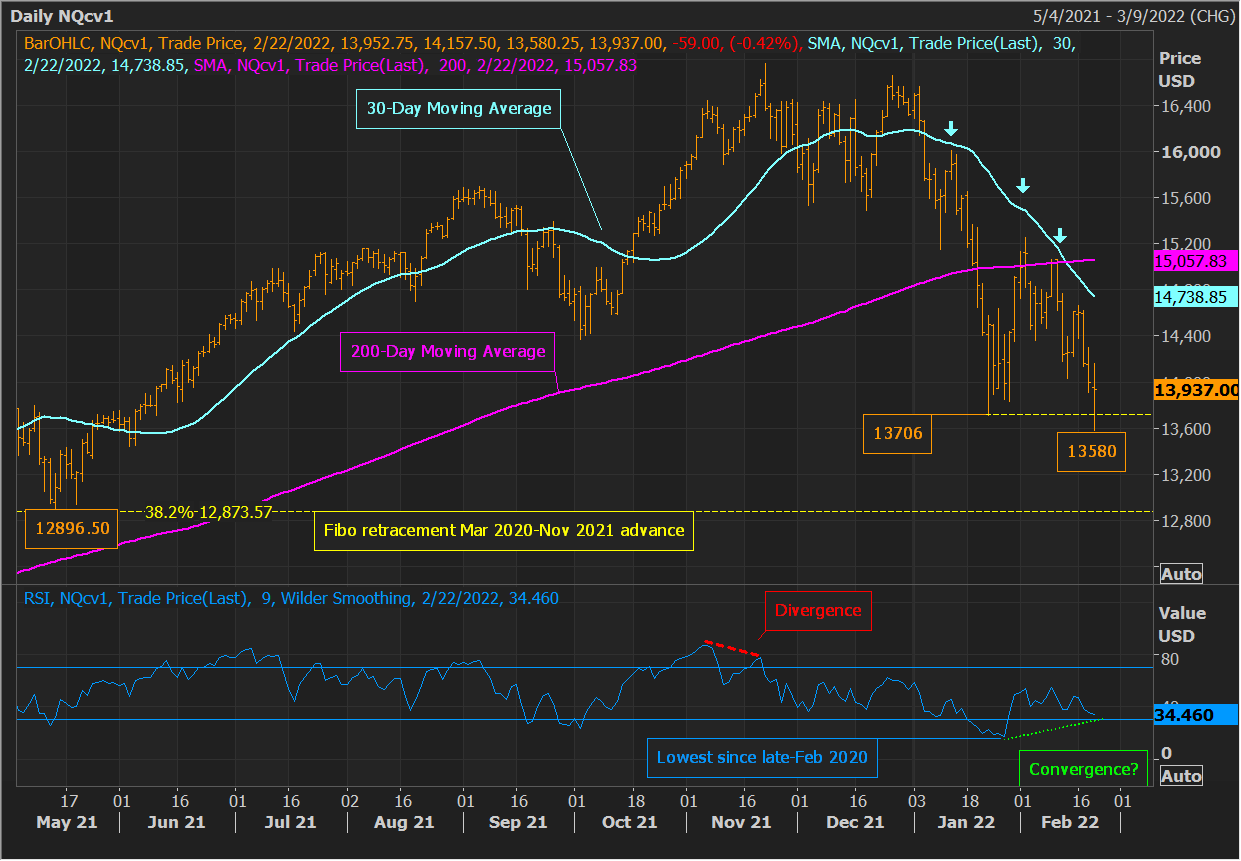
CHART OF THE DAY: By one measure, the Dow is already at a new all-time high

This dual rally in energy and defense highlighted how investors were positioning for both economic opportunity and strategic uncertainty.

Technology and Growth Stocks Participate

The rally was not limited to traditional cyclical sectors. Major technology and growth stocks also advanced, helping lift broader market indexes. Shares of Tesla and Amazon posted gains, signaling continued confidence in long-term growth themes.

The participation of tech stocks suggested that investors were not rotating defensively, but rather expanding exposure across multiple areas of the market.

Analysts See Confidence, Not Complacency

Market strategists emphasized that the rally reflected confidence rather than recklessness. While geopolitical risks remain, investors appear to believe that the current environment favors economic expansion, corporate earnings growth, and stable financial conditions.

Some analysts described the Venezuelan development as a “headline event” with limited direct downside for equities, particularly given the current strength of the U.S. economy and resilient consumer demand.

Commodities Tell a More Nuanced Story

Alongside gains in equities, commodities delivered a mixed message. U.S. oil prices climbed, supported by expectations of future supply dynamics and infrastructure rebuilding. At the same time, gold prices also posted their strongest daily gain in months, reflecting ongoing demand for safe-haven assets.

This combination suggested that while investors remain optimistic, they are not fully abandoning hedges against uncertainty.

Bitcoin and Alternative Assets Rise

Adding to the complex market picture, digital assets such as Bitcoin also moved higher. The parallel rise in equities, gold, and cryptocurrencies underscored a market environment driven by liquidity, diversification, and selective risk-taking rather than a single dominant narrative.

Futures Signal a Pause, Not a Reversal

As trading shifted to futures markets, the lack of major movement indicated consolidation rather than concern. After a strong run-up, many traders appeared content to wait for additional clarity before making new bets.

The flat futures action suggested that investors are digesting gains while monitoring upcoming economic data, earnings reports, and policy signals.

What Investors Are Watching Next

Looking ahead, market participants are expected to focus on several key factors:

  • Signals from policymakers regarding sanctions and energy investments

  • Corporate earnings guidance, particularly from energy and defense firms

  • Inflation and interest rate expectations

  • Global geopolitical developments beyond Latin America

Any confirmation of sustained policy changes could reinforce the bullish narrative, while uncertainty could reintroduce volatility.

Conclusion: Markets Favor Opportunity Over Fear

The latest market moves highlight a familiar pattern: when geopolitical events are perceived as economically constructive, markets tend to respond positively. The Dow’s record close and steady futures trading reflect an investor base willing to embrace opportunity while remaining selectively cautious.

For now, Wall Street appears focused on potential growth, infrastructure investment, and sector-specific gains—suggesting that optimism, rather than fear, is shaping the early market tone.

Why Big Oil Won’t Bet on Venezuela’s Oil??

Why Big Oil Is Hesitant About Reviving Venezuela’s Oil

For years, Venezuela has sat on what is officially considered the world’s largest proven oil reserves. In theory, this should make the country a central player in global energy markets. In practice, however, Venezuela’s oil sector has become one of the most troubled in the world. Despite political rhetoric suggesting a potential comeback, major international oil companies remain deeply skeptical.

This skepticism stands in sharp contrast to statements from Donald Trump, who has repeatedly argued that Venezuelan oil could once again play a major role in global markets if political conditions change. Yet for “Big Oil,” the reality on the ground looks far more complicated than political slogans suggest.

Political Rhetoric vs. Corporate Reality

Political leaders often frame oil production as something that can be rapidly restored with the right leadership. From a corporate perspective, however, oil production depends on long-term investments, technical stability, and predictable governance. These conditions have been largely absent in Venezuela for over a decade.

According to analysis referenced by CNN, oil executives are not convinced that a political shift alone would justify a large-scale return to Venezuelan operations. Even if sanctions were eased or lifted, the fundamental challenges facing the industry would remain substantial.

A Sector Hollowed Out by Years of Decline

Venezuela’s state oil company, PDVSA, once operated one of the most sophisticated oil industries in the developing world. Today, much of that capacity has eroded. Refineries operate far below capacity, pipelines suffer from corrosion, and skilled engineers have left the country in large numbers.

Oil extraction, especially from Venezuela’s heavy crude reserves, requires constant maintenance and advanced technology. Without it, production quickly declines. For multinational oil companies, rebuilding this infrastructure would require billions of dollars and years of sustained effort.

Sanctions and Legal Uncertainty

U.S. and international sanctions have played a significant role in isolating Venezuela’s oil sector. While some limited licenses have been granted to specific firms, broad sanctions remain in place, creating uncertainty for potential investors.

Companies are wary not only of current restrictions but also of future policy reversals. A change in political leadership in Washington or Caracas could quickly alter the legal landscape. For publicly traded oil companies, such uncertainty represents a major risk to shareholders.

Why Big Oil Is Looking Elsewhere

In the current global energy environment, oil companies have options. New projects in the Middle East, offshore Brazil, and parts of Africa offer relatively stable regulatory frameworks and clearer profit paths. Compared to these alternatives, Venezuela looks like a high-risk investment with uncertain returns.

Additionally, many major oil companies are under pressure from investors to reduce risk exposure and focus on capital discipline. Large, politically complex projects no longer fit easily into corporate strategies shaped by shareholder demands and environmental scrutiny.

The Cost of Restarting Production

Restarting Venezuela’s oil production is not a matter of flipping a switch. Experts estimate that restoring output to even half of its former peak would require tens of billions of dollars. This includes repairing wells, modernizing refineries, upgrading ports, and retraining or replacing lost personnel.

From Big Oil’s perspective, the question is not whether Venezuela has oil, but whether investing there makes economic sense compared to other opportunities. So far, the answer appears to be no.

The Heavy Crude Challenge

Much of Venezuela’s oil is extra-heavy crude, which is expensive and technically challenging to extract and refine. Processing this type of oil requires specialized equipment, often located outside Venezuela. With global refiners increasingly optimized for lighter crude and cleaner fuels, demand for heavy Venezuelan oil is not as strong as it once was.

This structural shift further weakens the business case for large-scale reinvestment.

Energy Transition Pressures

Another major factor shaping Big Oil’s hesitation is the global energy transition. Oil companies are under growing pressure to invest in cleaner energy, reduce emissions, and adapt to long-term declines in fossil fuel demand.

Committing billions to rebuild Venezuela’s oil industry could lock companies into long-term fossil fuel assets at a time when investors are urging caution. Even companies that remain committed to oil production are prioritizing projects with faster returns and lower political risk.

Limited Engagement Instead of Full Commitment

Some companies have chosen a middle path: limited engagement without full-scale investment. For example, Chevron has operated in Venezuela under special licenses, focusing on maintenance and modest production rather than aggressive expansion.

This approach allows companies to keep a foothold in the country without exposing themselves to the full range of risks. However, it does not signal confidence in a rapid or large-scale revival.

Global Oil Markets Are Not Desperate

One reason political leaders emphasize Venezuelan oil is the assumption that global markets desperately need new supply. In reality, while oil markets experience volatility, supply has remained relatively resilient thanks to U.S. shale production, OPEC policies, and new offshore projects.

As long as global supply remains adequate, oil companies have little incentive to rush back into one of the world’s most complex energy environments.

Institutional Trust and Governance Issues

Beyond infrastructure and sanctions, governance remains a core concern. Oil companies require clear contract enforcement, transparent tax regimes, and independent courts. Venezuela’s institutional framework has been weakened over years of political turmoil.

Even if a new government promised reforms, companies would likely wait years to see whether those reforms are sustained. Trust, once lost, is slow to rebuild in the energy sector.

Labor and Expertise Gaps

Another overlooked challenge is human capital. Thousands of skilled oil workers have left Venezuela in search of better opportunities abroad. Rebuilding the workforce would require competitive wages, training programs, and long-term stability.

Without experienced engineers and technicians, even well-funded projects can fail. Big Oil understands this risk and factors it heavily into investment decisions.

Political Promises vs. Market Logic

The idea of making Venezuelan oil “great again” resonates politically, especially in discussions about energy independence and geopolitical leverage. Markets, however, operate on different logic. Oil companies answer to boards, investors, and financial models—not campaign slogans.

This gap explains why political optimism has not translated into corporate action.

What Would Change Big Oil’s Mind?

For Big Oil to seriously reconsider Venezuela, several conditions would need to align. These include sustained sanctions relief, stable governance over multiple years, legal guarantees for foreign investors, and clear economic incentives.

Even then, companies would likely move cautiously, starting with small pilot projects before committing large sums.

A Long Road Ahead

Venezuela’s oil wealth remains real, but wealth alone does not generate production. Infrastructure, trust, and capital are equally essential. At present, those elements are still missing.

While political leaders may continue to highlight Venezuela’s potential, Big Oil appears unconvinced that the risks are worth the rewards—at least for now.

Conclusion

The reluctance of major oil companies to embrace a Venezuelan oil revival reflects hard-earned lessons about risk, stability, and long-term strategy. Despite bold political claims, the fundamentals of Venezuela’s oil sector remain deeply challenged.

🔗 More Article:Maduro Speaks-What Did Venezuela’s President Say?

Until those fundamentals change in a lasting and credible way, Big Oil is likely to keep its distance, viewing Venezuela not as a near-term opportunity, but as a long-term question mark in an evolving global energy landscape.