Nga Natalia Sancha, El Pais

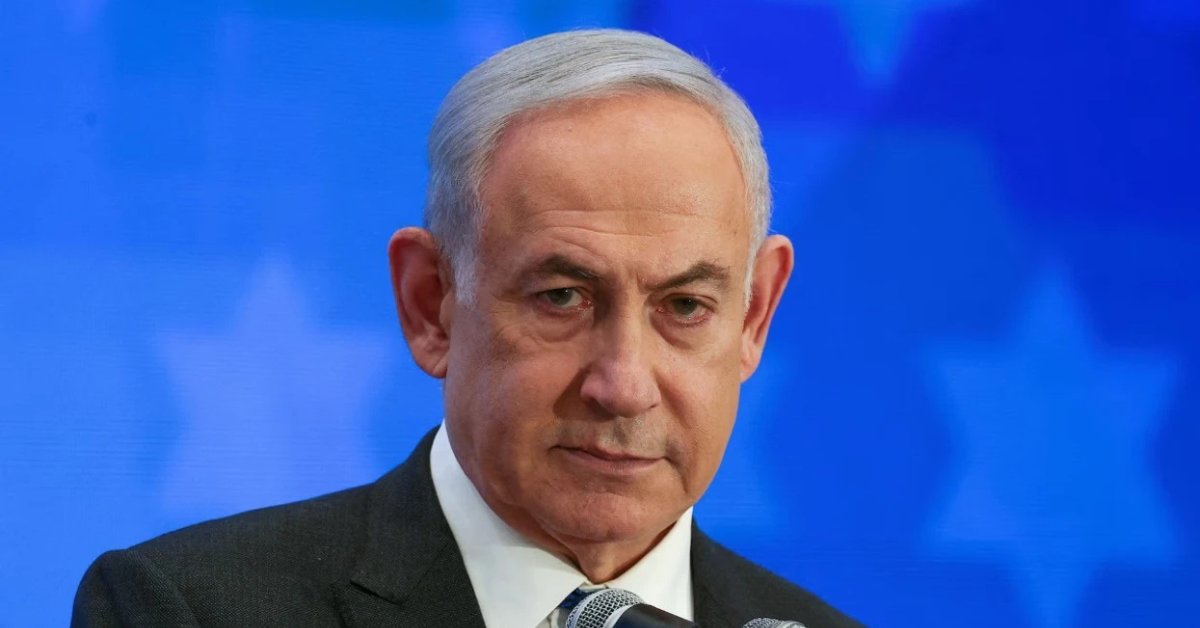
Rendi i ri në Lindjen e Mesme po tentohet të vizatohet sot nga Izraeli, duke sfiduar trashëgiminë e marrëveshjes Sykes-Picot të vitit 1916.

Nëse atëherë ishin Britania dhe Franca që ndanë provincat osmane me parimin “përça dhe sundo”, sot dyshja Trump-Netanyahu po përdor raketat dhe dronët për të imponuar një paradigmë të re: Pax Israeliana.

Ky ndryshim shënon valën e tretë të transformimit rajonal. E para erdhi me krijimin e Izraelit në vitin 1948; e dyta me tronditjen e kufijve nga ISIS në vitin 2014; ndërsa e treta po ndodh tani përmes ofensivës ushtarake izraelite.

Izraeli ka goditur shtatë vende fqinje dhe ka pushtuar territore të reja, duke u shndërruar në fuqinë e vetme hegjemonike rajonale pas tërheqjes së ndikimit tradicional perëndimor.

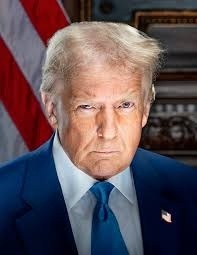
Ardhja e Donald Trump në Shtëpinë e Bardhë dhe doktrina e tij MAGA kanë krijuar një “mundësi unike historike” për skifterët izraelitë. Ky vizion nuk synon vetëm supremaci ushtarake, por një riformësim rrënjësor të aleancave.

Përmes Marrëveshjeve të Abrahamit, SHBA-të e kanë zhvendosur fokusin nga njohja e shtetit palestinez drejt pozicionimit të Izraelit si qendër e rajonit.

Sulmi i Hamasit më 7 tetor 2023, në vend që t’i prishte këto plane, i ka vënë monarkitë sunite (si Arabia Saudite dhe Emiratet e Bashkuara Arabe) në një pozicion mbrojtës.

Rivaliteti historik me Iranin shiit i ka shtyrë këto vende drejt një aleance taktike me Netanyahun.

Në këtë ekuacion, Turqia mbetet konkurrenti i vetëm i mbetur jo-arab, ndërsa teokracitë si Riadi dhe Teherani po e humbin peshën e tyre ndaj shtetit hebre. Paradigma e re është brutale: rreshtohu me Izraelin ose eliminohu!

Edhe vende si Katari apo Siria janë bombarduar, duke treguar se diplomacia po ia lë vendin forcës. Izraeli po përdor strategjinë e vjetër koloniale të ndarjes së grupeve etnike dhe fetare për të sunduar.

Në këtë dinamikë, Evropa është kthyer në një spektatore të parëndësishme, duke dështuar të mbrojë ligjin ndërkombëtar.

Ndërkohë, narrativa për ndryshimin e regjimit në Iran perceptohet si një déjà vu e rrezikshme. Megjithëse kundërshtojnë ajatollahët, iranianët nuk kanë harruar operacionet e shërbimeve sekrete perëndimore të vitit 1953 që pezulluan demokracinë e tyre për hir të naftës.

Vizioni mesianik i Trump dhe Netanyahut po tenton të zhbëjë me forcë pasojat e një shekulli historie.

Megjithatë, asgjë nuk garanton se ky rend i ri, i vendosur përmes dhunës dhe “ligjit të më të fortit”, do të ketë një rezultat më të qëndrueshëm se ai i para një shekulli.

Historia sugjeron se imponimet e jashtme mbartin brenda vetes farat e konflikteve të ardhshme. /tesheshi.com/

Skin Infections: Causes, Treatment, and Prevention

This phenomenon is commonly related to skin infections, such as abscesses or inflamed cysts. They form when bacteria enter beneath the skin, often through a very small wound, an ingrown hair, or blocked oil glands. The body reacts by sending immune cells to the area, which leads to swelling, redness, and pain.

In such cases, the involvement of a healthcare professional is often seen, using gloves and sterile tools. This is very important because improper handling or squeezing these formations in unclean conditions can worsen the infection or cause it to spread to other parts of the body. Hygiene and sterility are essential in these situations.

Treatment usually depends on the size and severity of the condition. Some mild infections may resolve on their own, while others require medical care, professional drainage, or appropriate medication. The main goal is to relieve symptoms and prevent further complications.

Prevention includes regular skin care, maintaining cleanliness, and avoiding touching or squeezing suspicious formations. It is also important to seek professional help when signs of infection appear. Early care supports faster healing and helps protect overall skin health.

Netanyahu’s Six-Nation Alliance: Strategy, Risks & Impact

Benjamin Netanyahu

What Does Netanyahu’s “Hexagon Alliance” Actually Represent?

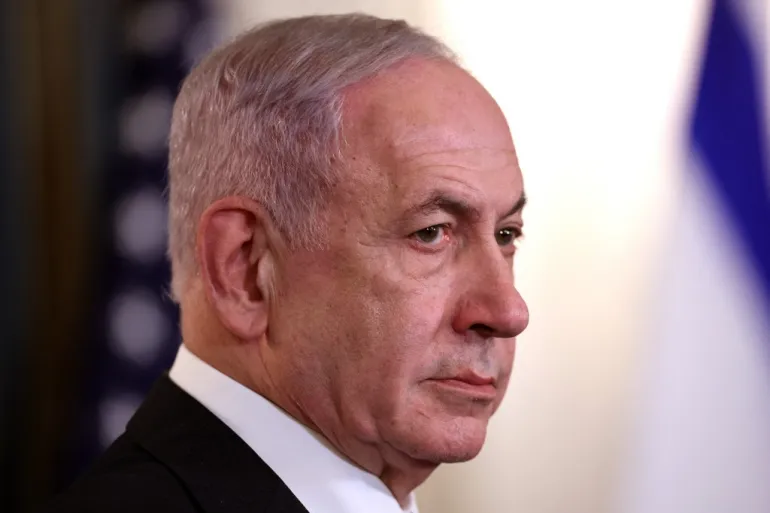
Israeli Prime Minister Benjamin Netanyahu has recently outlined a vision for a new regional alignment that he described as a “hexagon of alliances.” According to his remarks, this structure would include Israel, India, Greece, and Cyprus, along with unnamed Arab, African, and Asian states. He framed the initiative as a response to what he called “radical axes” in the Middle East, referring to both a “radical Shiite axis” and a developing “radical Sunni axis.”

At first glance, the proposal appears ambitious and strategic. However, no government has publicly endorsed the initiative in the form Netanyahu presented it. This raises important questions: What exactly is this “hexagon”? Is it a military bloc, a diplomatic platform, or an economic partnership network? And does it have real prospects of functioning in practice?

Which Countries Are Expected to Be Part of This Strategic Alliance?

Netanyahu explicitly mentioned four countries:

  • Israel

  • India

  • Greece

  • Cyprus

He also referred to additional unnamed Arab, African, and Asian states.

The Core Group: Israel, Greece, and Cyprus

Israel, Greece, and Cyprus already cooperate through a trilateral framework established in 2016. Initially focused on energy cooperation in the Eastern Mediterranean, this grouping has gradually expanded into defense and security coordination. Joint military exercises, arms agreements, and discussions about air defense systems illustrate that this partnership is not theoretical — it already exists in operational terms.

However, this cooperation has primarily been tactical and interest-driven, particularly in the Eastern Mediterranean, rather than part of a broader Middle Eastern ideological bloc.

India’s Potential Role

India’s inclusion significantly elevates the geopolitical weight of the proposal. Under Prime Minister Narendra Modi, India and Israel have deepened cooperation in defense, artificial intelligence, cybersecurity, agriculture, and trade.

However, India traditionally pursues a pragmatic and multi-aligned foreign policy. As a founding member of the Non-Aligned Movement, New Delhi has historically avoided rigid bloc politics. It maintains relationships simultaneously with the United States, Russia, Iran, Gulf Arab states, and China.

For India, the relationship with Israel is important — but largely centered on technology, security, and trade — not necessarily on joining a regional ideological coalition.

The Unnamed Arab and Regional States

The most uncertain component of the “hexagon” is the unspecified Arab, African, and Asian participation. While some Arab states have normalized relations with Israel in recent years, publicly joining a security bloc framed as “axis versus axis” could carry domestic and regional political costs — especially in light of ongoing tensions related to Gaza.

Without clear names and commitments, this outer layer remains conceptual rather than concrete.

Is This a Military, Diplomatic, or Economic Coalition?

The “hexagon” appears to combine elements of all three, but with important distinctions.

Diplomatic Dimension

At the diplomatic level, the proposal signals that Israel seeks to demonstrate it is not internationally isolated. The framing of a structured alliance can project strength and leadership, especially at a time of domestic and international political pressure.

Diplomatic coordination — joint statements, strategic dialogues, and summit meetings — is the easiest form of cooperation to implement. It does not require binding defense obligations.

Economic and Technological Dimension

There is strong potential for economic cooperation within this framework. Areas include:

  • Eastern Mediterranean energy projects

  • Infrastructure and maritime corridors

  • Artificial intelligence and quantum computing

  • Defense technology and cybersecurity

  • Trade and investment flows

These partnerships are often interest-driven and can continue even amid political tension.

Security and Military Dimension

The most sensitive dimension involves defense cooperation. Israel has expanded arms sales and joint exercises with Greece and Cyprus, and it maintains deep defense ties with India.

However, a formal military pact resembling NATO — with collective defense commitments — would require far greater political alignment and shared threat perception. Currently, there is no public indication that such a binding structure is being negotiated.

In practice, the “hexagon” seems more likely to function as a flexible security coordination network rather than a formal defense treaty.

How Do Iran and the War in Gaza Affect This Initiative?

Iran as Strategic Justification

Netanyahu’s reference to a “radical Shiite axis” centers primarily on Iran and its network of regional allies, often described as the “Axis of Resistance.” This network includes Hezbollah in Lebanon, certain Iraqi armed factions, and the Houthis in Yemen.

https://www.aljazeera.com/news/2026/2/23/whats-netanyahus-planned-hexagon-alliance-and-can-it-work

By presenting Iran as a central destabilizing force, Netanyahu frames the “hexagon” as a necessary balancing coalition. For countries that view Iran as a regional competitor, this narrative may resonate.

However, not all potential partners wish to be openly aligned in a confrontational bloc against Iran. Many maintain economic, diplomatic, or security ties with Tehran.

The Gaza War as a Political Constraint

The ongoing conflict in Gaza complicates the situation significantly. Public opinion in many regional countries has hardened, making overt alignment with Israel politically sensitive.

Even governments that maintain quiet cooperation with Israel may hesitate to join a highly visible alliance during active conflict. This dynamic acts as a restraining factor on any formal expansion of the “hexagon.”

In short, Iran strengthens the security argument for such a bloc, while Gaza weakens the political feasibility of openly formalizing it.

Does the “Radical Sunni Axis” Narrative Reflect Reality?

Netanyahu also referred to a developing “radical Sunni axis.” However, regional dynamics suggest that Sunni-majority states are not forming a unified ideological front. Instead, some have coordinated diplomatically in response to Israeli actions, particularly regarding Gaza and Syria.

Rather than a structured Sunni bloc, the current pattern appears to involve pragmatic coordination, issue-based diplomacy, and cautious engagement.

This raises the possibility that the “axis versus axis” framing is more rhetorical than descriptive.

What Are the Real Chances of This Alliance Functioning in Practice?

The answer depends on how “functioning” is defined.

If It Means a NATO-Style Pact

The likelihood is low. A formal military alliance would require:

  • Clear membership commitments

  • Shared defense obligations

  • Political consensus among diverse governments

  • Public support within participating states

Currently, none of these conditions appear fully in place.

If It Means a Flexible Network of Partnerships

The likelihood is significantly higher. Israel already maintains active defense, technological, and economic ties with several of the mentioned countries. Expanding these into a more coordinated framework is feasible.

Such a network could include:

  • Defense procurement and training

  • Intelligence sharing

  • Technology collaboration

  • Infrastructure and energy projects

  • Diplomatic coordination during crises

This model does not require treaty-level commitments and allows each country to preserve strategic flexibility.

Why Is Netanyahu Promoting This Initiative Now?

The proposal comes at a politically sensitive moment. Netanyahu faces:

  • Domestic protests over judicial reforms

  • Ongoing corruption trials

  • Economic pressures linked to prolonged conflict

  • International scrutiny

Projecting an image of diplomatic outreach and strategic leadership may serve both domestic and international political purposes. It reinforces the narrative that Israel remains an influential regional actor capable of shaping alliances.

Israeli Prime Minister Benjamin Netanyahu joins a news conference with US President Donald Trump in the State Dining Room at the White House on September 29, 2025 in Washington, DC, the United States [Win McNamee/Getty Images/AFP

Netanyahu’s “hexagon alliance” represents more a strategic vision than a finalized structure. It aims to link Israel with Greece, Cyprus, India, and potentially additional regional partners in a framework combining security, diplomacy, and economic cooperation.

It is unlikely to emerge as a formal NATO-style bloc. However, it could evolve into a flexible network of coordinated partnerships, particularly in defense technology, energy, and infrastructure.

Iran provides the strategic rationale. Gaza complicates the political optics. India and other potential partners are likely to approach the concept pragmatically rather than ideologically.

In practical terms, the “hexagon” may function best as a loose strategic alignment — not a rigid alliance — shaped by evolving regional realities rather than fixed ideological divisions.

Trump Warns Canada of 100% Tariffs Over China Deal

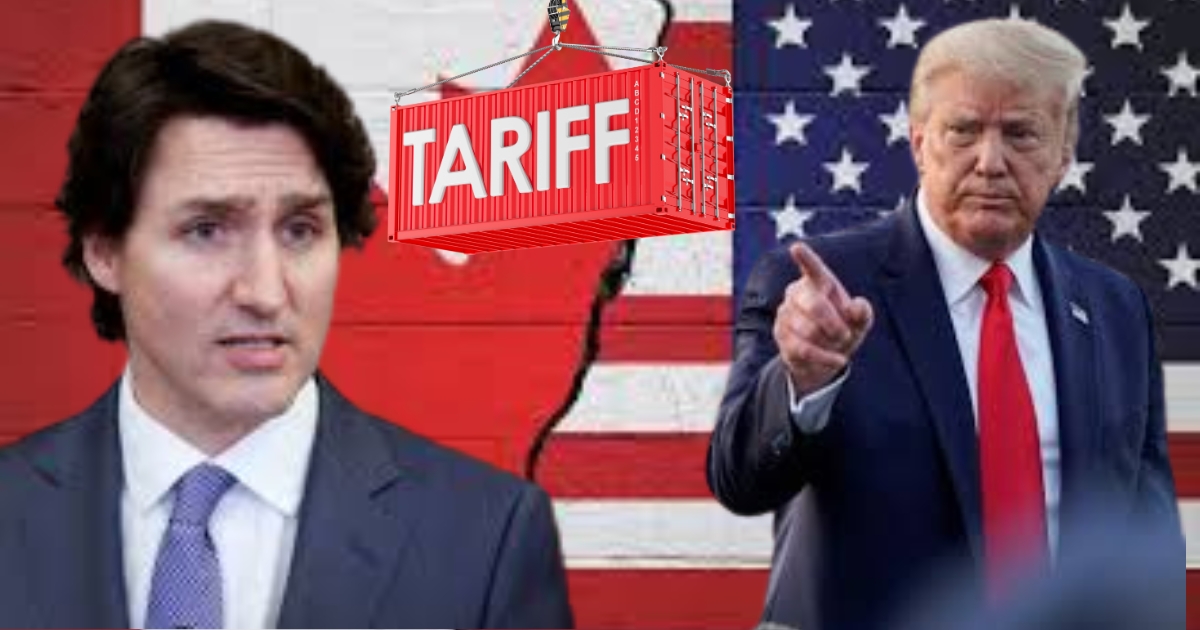
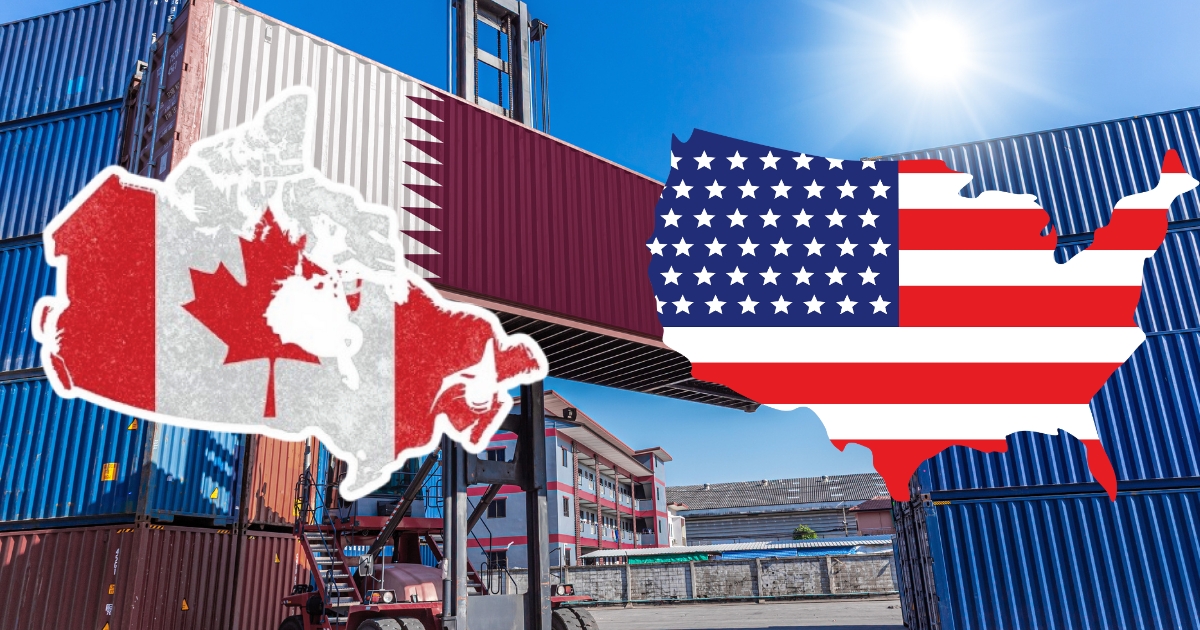
When Donald Trump speaks about trade, the world listens — and markets react. This time, his words were aimed directly at one of America’s closest allies: Canada. In a sharply worded statement, Trump warned that if Canada proceeds with any major trade agreement with China, the United States could respond with tariffs as high as 100% on Canadian goods.

The remark immediately reignited fears of a renewed global trade war, reminiscent of the turbulent years when tariffs became a central tool of U.S. foreign and economic policy. While Trump is no longer in office, his influence over Republican voters and economic narratives remains strong, making his warning far more than simple rhetoric.

A Warning That Shook Ottawa

Canada has long walked a careful line between maintaining its strategic partnership with the United States and expanding economic ties with China. Beijing is Canada’s second-largest trading partner, while Washington remains by far its most important one. Trump’s warning forces Ottawa into a difficult position: deepen trade with the world’s second-largest economy or risk severe retaliation from its closest ally.

According to Trump, allowing China deeper access to North American markets would “undermine U.S. workers, security, and economic sovereignty.” He argued that Canada, by signing any broad trade pact with Beijing, would effectively become a backdoor for Chinese goods into the United States.

This argument echoes concerns frequently raised by U.S. policymakers across party lines. China’s manufacturing power, state subsidies, and industrial strategy have long been criticized for distorting global markets.

Why China Is at the Center of the Storm

China’s role in global trade has expanded rapidly over the past two decades. For countries like Canada, the Chinese market represents enormous opportunities in agriculture, energy, technology, and raw materials. However, it also comes with political and security concerns.

In recent years, Western governments have grown more cautious about economic dependence on China. Issues ranging from intellectual property theft to national security risks have pushed many countries to reassess their trade relationships.

For Trump, China remains the central economic rival of the United States. During his presidency, he launched an aggressive tariff campaign aimed at reducing the U.S. trade deficit and pressuring Beijing to change its economic practices. That campaign reshaped global supply chains and altered diplomatic relationships worldwide.

For deeper context on U.S.–China trade tensions, see this overview from the Council on Foreign Relations:
👉 https://www.cfr.org/backgrounder/us-china-trade-war

What a 100% Tariff Would Really Mean

A 100% tariff is not a symbolic gesture — it is an economic weapon. Such a move would effectively double the cost of Canadian exports entering the U.S. market. Industries that rely heavily on cross-border trade would feel the impact immediately.

Canada exports billions of dollars’ worth of goods to the United States each year, including automobiles, lumber, aluminum, steel, agricultural products, and energy. Many supply chains are deeply integrated, meaning tariffs would hurt both sides of the border.

Economists warn that such extreme tariffs could lead to job losses, higher consumer prices, and long-term damage to North American economic cooperation. Small and medium-sized businesses, in particular, would struggle to absorb sudden cost increases.

Canada’s Delicate Balancing Act

Canadian leaders have so far avoided confirming any imminent comprehensive trade agreement with China. Instead, officials emphasize a “diversified trade strategy,” aimed at reducing overdependence on any single market.

Still, Trump’s remarks add pressure. Even the possibility of U.S. retaliation could discourage Canadian policymakers from pursuing deeper ties with Beijing.

Canada’s position highlights a broader global dilemma: how to benefit from China’s massive market without triggering backlash from the United States. Many U.S. allies in Europe and Asia face similar challenges.

For insight into how trade diversification affects middle powers, this analysis by Brookings Institution provides valuable context:
👉 https://www.brookings.edu/articles/global-trade-fragmentation-explained/

Political Calculations Behind the Statement

Trump’s warning should also be viewed through a political lens. With U.S. elections approaching, trade and China are once again becoming central campaign issues. Tough talk on China plays well with voters concerned about jobs, manufacturing, and national security.

By targeting Canada, Trump sends a broader message to other U.S. allies: aligning too closely with China could come at a cost. This strategy reinforces his long-standing “America First” approach, which prioritizes domestic economic interests over traditional alliances.

Even outside office, Trump’s ability to shape public debate forces current leaders to respond. Markets, investors, and foreign governments know that his statements often signal future policy directions should he return to power.

Reactions From Markets and Analysts

Financial markets reacted cautiously to Trump’s comments. While no immediate policy change followed, the rhetoric alone was enough to raise concerns among investors.

Analysts note that uncertainty is often more damaging than actual tariffs. Businesses delay investments, supply chains hesitate to expand, and long-term planning becomes difficult.

Trade experts warn that escalating tensions between major economies could accelerate the fragmentation of global trade. Instead of one interconnected system, the world may move toward competing economic blocs — one centered around the U.S. and another around China.

The World Trade Organization has previously cautioned against such fragmentation, noting that it could slow global growth and increase inequality. For more on WTO concerns, see:
👉 https://www.wto.org/english/news_e/news22_e/trdev_30nov22_e.htm

How This Could Affect Everyday Consumers

While trade disputes often sound abstract, their consequences reach everyday life quickly. Tariffs typically lead to higher prices on imported goods, from cars and electronics to food products.

If the U.S. were to impose massive tariffs on Canadian imports, American consumers could see price increases across multiple sectors. At the same time, Canadian producers would face reduced competitiveness, potentially leading to layoffs and reduced investment.

In an already inflation-sensitive environment, policymakers are particularly wary of actions that could drive prices higher.

A Signal to the World

Perhaps the most important aspect of Trump’s warning is the signal it sends globally. It reinforces the idea that economic decisions are no longer purely economic — they are deeply political.

Countries are increasingly forced to choose sides, balancing economic benefits against strategic alliances. For Canada, the decision is especially complex given its geographic proximity and economic integration with the United States.

Whether or not Canada ultimately pursues a trade deal with China, Trump’s statement underscores a new reality: in today’s global economy, neutrality is becoming harder to maintain.

What Happens Next?

For now, Trump’s threat remains hypothetical. No tariffs have been imposed, and no confirmed Canada–China trade agreement has been announced. However, the warning itself may be enough to slow negotiations or reshape diplomatic strategies.

Observers will be watching closely for responses from Canadian officials, reactions from Beijing, and signals from Washington’s current leadership. Each move will carry implications far beyond North America.

One thing is clear: trade wars may not dominate headlines as they once did, but the underlying tensions never truly disappeared. With voices like Trump’s back in the spotlight, the risk of renewed economic confrontation is once again very real.

Mazda Launches a New Electric Car for Europe

Mazda Launches a New Electric Car for Europe

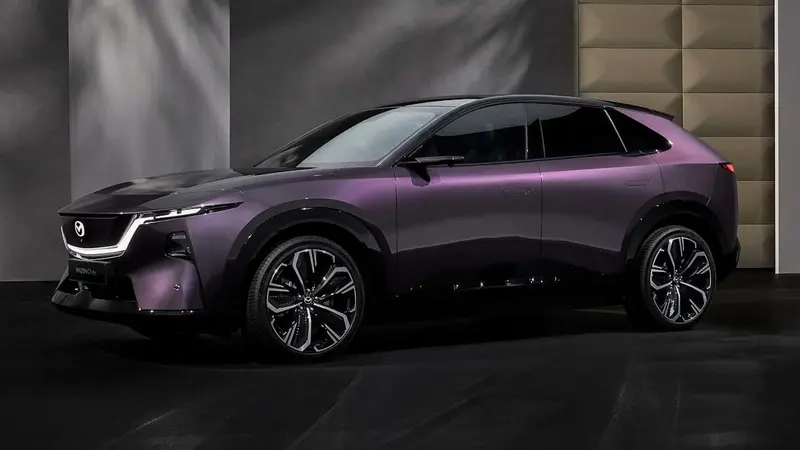
Mazda has officially launched a new electric car tailored specifically for the European market, marking a significant milestone in the company’s long-term transition toward electrified mobility.

As European governments tighten emissions regulations and consumers increasingly shift toward sustainable transportation, Mazda’s latest electric vehicle represents both a strategic and technological evolution for the brand.

The new model reflects Mazda’s commitment to combining environmental responsibility, engineering precision, and driver-focused design, while adapting to the unique demands of European roads, cities, and driving habits. With this launch, Mazda strengthens its position in a market that has become one of the most competitive and fast-moving EV landscapes in the world.

A Strategic Step in Mazda’s Electrification Journey

Mazda’s decision to introduce a new electric car for Europe is not accidental. Europe has emerged as a global leader in electric vehicle adoption due to a combination of government incentives, expanding charging infrastructure, and growing environmental awareness among consumers.

For Mazda, the European market presents both an opportunity and a challenge. Traditional internal combustion vehicles are being phased out, and manufacturers must adapt quickly to meet regulatory deadlines while maintaining brand identity. This new electric model is a response to that reality, aligning Mazda’s engineering philosophy with the future of mobility.

According to the company, the vehicle forms part of a broader electrification roadmap that includes electric, plug-in hybrid, and hybrid models over the coming years.

Designed Specifically for European Drivers

One of the defining aspects of Mazda’s new electric car is that it was developed with European customers in mind. Unlike global one-size-fits-all models, this vehicle takes into account the specific driving environments found across Europe—from narrow urban streets to high-speed motorways.

Key design priorities include:

  • Compact yet practical dimensions for city driving

  • Efficient energy consumption for shorter daily commutes

  • Comfortable performance for longer intercity travel

  • Compliance with strict EU safety and emissions regulations

Mazda engineers focused heavily on balancing efficiency with driving enjoyment, ensuring that the electric experience still reflects the brand’s reputation for smooth handling and responsive control.

Electric Powertrain and Battery Technology

At the heart of the new electric car is an advanced electric powertrain designed to deliver quiet operation, instant torque, and consistent performance. Mazda emphasized that the vehicle’s electric system was optimized not only for range, but also for long-term durability and reliability.

The battery technology has been developed to support:

  • Faster charging times

  • Stable performance in cold and hot climates

  • Reduced energy loss during daily use

  • Long-term battery health

While Mazda has not positioned the model as a long-range flagship EV, the company instead focused on realistic, everyday usability, which aligns closely with how most European drivers use their vehicles.

More details about Mazda’s electrification strategy can be found on its official European website:
👉 https://www.mazda.eu/en/electric/

Charging and Everyday Practicality

Charging convenience remains a crucial factor for EV adoption, and Mazda has designed its new electric car to integrate seamlessly with Europe’s rapidly expanding charging infrastructure.

The vehicle supports:

  • Home AC charging

  • Public charging stations across Europe

  • Optimized energy management for urban charging cycles

Mazda highlighted that the car is ideal for drivers who primarily commute within cities or suburbs but still require flexibility for longer trips. The charging system is engineered to minimize downtime while maintaining battery longevity.

Interior Design: Minimalism Meets Technology

Inside the cabin, Mazda continues its long-standing design philosophy focused on simplicity, comfort, and driver engagement. The interior avoids unnecessary complexity, instead offering intuitive controls and high-quality materials that create a calm and refined driving environment.

Interior highlights include:

  • Clean dashboard layout

  • Digital displays with essential driving information

  • Advanced connectivity features

  • Comfortable seating optimized for daily use

Rather than overwhelming drivers with excessive screens, Mazda focused on ensuring that technology supports the driving experience instead of distracting from it.

Safety and Driver Assistance Systems

Safety remains a top priority for European buyers, and Mazda has equipped its new electric car with a comprehensive suite of advanced driver-assistance systems (ADAS).

These systems are designed to:

  • Enhance driver awareness

  • Reduce the risk of collisions

  • Improve overall road safety

Features include adaptive cruise control, lane support systems, automatic emergency braking, and intelligent speed assistance—fully compliant with European safety standards.

Performance and Driving Experience

Despite being an electric vehicle, Mazda insists that driving enjoyment remains central to the car’s identity. The instant torque delivered by the electric motor provides smooth acceleration, while the chassis tuning ensures balanced handling.

Mazda engineers paid close attention to:

  • Steering responsiveness

  • Ride comfort

  • Vehicle stability at different speeds

This approach ensures that the electric car feels natural and engaging to drive, even for customers transitioning from traditional combustion engines.

Europe’s Rapidly Growing EV Market

Europe has become one of the world’s most dynamic electric vehicle markets. Countries such as Germany, France, the Netherlands, and the Nordic nations are leading the transition toward electric mobility.

Industry analysts note that European EV sales continue to rise year after year, driven by:

  • Government incentives

  • Expanding charging networks

  • Increasing fuel costs

  • Stronger environmental policies

According to industry coverage from Electrek, Europe remains one of the most competitive regions for electric vehicle development and adoption:
👉 https://electrek.co/guides/electric-vehicles/

Competition in the European EV Segment

Mazda’s new electric car enters a crowded and highly competitive market. European consumers already have access to electric models from both established manufacturers and new entrants.

However, Mazda aims to differentiate itself by offering:

  • A balanced approach to range and efficiency

  • Premium interior quality

  • A focus on driving feel rather than pure specifications

Rather than competing solely on numbers, Mazda positions its EV as a thoughtfully engineered solution for everyday European mobility.

Environmental Impact and Sustainability

Beyond zero tailpipe emissions, Mazda has also focused on reducing the environmental footprint of its production processes. The company continues to invest in sustainable manufacturing practices and aims to lower emissions across the entire vehicle lifecycle.

This includes:

  • More efficient production methods

  • Responsible sourcing of materials

  • Improved battery recycling strategies

Mazda views electrification as part of a broader sustainability mission rather than a standalone solution.

Pricing Expectations and Market Positioning

While final pricing details may vary by country, Mazda has indicated that the new electric car is intended to be competitively priced within its segment. The goal is to make electric mobility accessible without compromising quality or safety.

Pricing strategies will take into account:

  • Local incentives and subsidies

  • Market competition

  • Regional demand

This approach allows Mazda to adapt to different European markets while maintaining a consistent brand image.

Mazda’s Long-Term Vision for Electric Mobility

Mazda has made it clear that this electric model is only the beginning. The company plans to expand its electrified lineup steadily, integrating electric and hybrid technologies across multiple segments.

Future plans include:

  • Additional electric models

  • Expanded hybrid offerings

  • Continued investment in battery technology

Mazda’s strategy emphasizes gradual, sustainable growth rather than rapid expansion at the expense of quality.

Consumer Expectations and Market Reception

Early reactions to Mazda’s new electric car suggest strong interest from European consumers, particularly those seeking a refined and practical EV rather than a technology-heavy showcase model.

Consumers increasingly value:

  • Reliability

  • Real-world efficiency

  • Brand trust

Mazda’s reputation for build quality and thoughtful engineering may play a key role in the model’s success.

With the launch of its new electric car for Europe, Mazda demonstrates a clear commitment to the future of mobility. By combining electric technology with the brand’s core values of design, performance, and reliability, Mazda offers a compelling option for European drivers navigating the transition to electric vehicles.

Rather than chasing extremes, Mazda’s approach focuses on balance, usability, and long-term value—qualities that resonate strongly in today’s evolving automotive landscape.

Man Buys Old Tank for €45k – Finds €2.5M Gold Inside

Man Buys Old Tank for €45,000 – Finds €2.5 Million in Gold Hidden Inside

Sometimes reality is stranger than fiction.

What started as a routine restoration project for a military vehicle enthusiast turned into one of the most astonishing discoveries in recent years. A British man who purchased an old Russian tank for €45,000 had no idea that hidden deep inside the vehicle was a fortune in solid gold—worth an estimated €2.5 million.

This unbelievable story combines military history, mystery, ethical decision-making, and global geopolitics, proving that even decades after war, secrets can still surface in the most unexpected places.

A Passion for Military Vehicles

The man at the center of this story is Nick Mead, a well-known military vehicle collector and restorer based in the United Kingdom. Mead has spent years acquiring, restoring, and showcasing historic armored vehicles, building an impressive collection of more than 150 military machines.

He is also the owner of Tanks‑a‑lot, a company that offers the public a rare opportunity to drive real tanks and armored vehicles. For Nick, tanks are not just machines—they are living pieces of history.

The Tank Purchase That Changed Everything

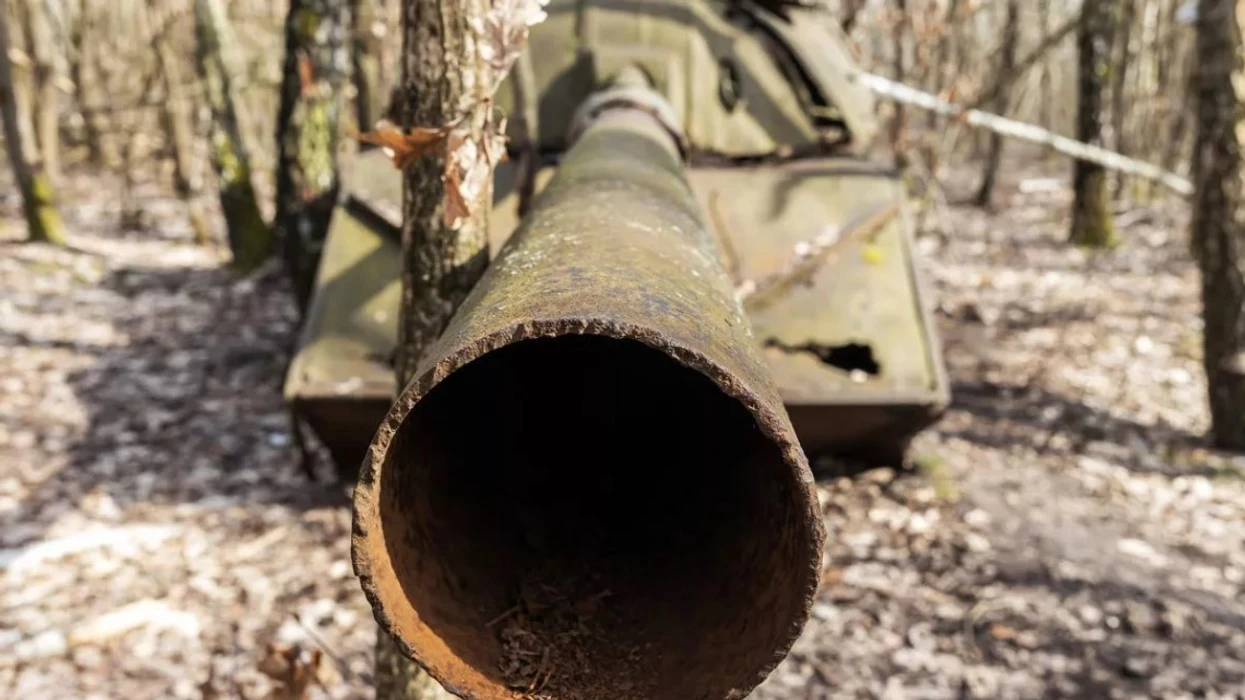
In 2017, Nick Mead came across a Russian-built T-54/69 tank listed as part of a larger deal.

The Cold War–era tank was priced at around €45,000. For an experienced collector like Mead, it was a fair deal and an ideal addition to his expanding collection.

included military training vehicles and artillery equipment, spotted through an online listing that caught his attention. At no point was there any indication that the tank contained anything beyond metal, oil, and mechanical parts.

A Routine Inspection Turns Extraordinary

As with any armored vehicle, safety checks were essential before restoration. Together with mechanic Todd Chamberlain, Nick decided to inspect the fuel tank. Old tanks sometimes contain leftover ammunition or hazardous materials that must be safely removed.

To document the process, the pair filmed themselves opening the fuel compartment. What they found instead left them speechless.

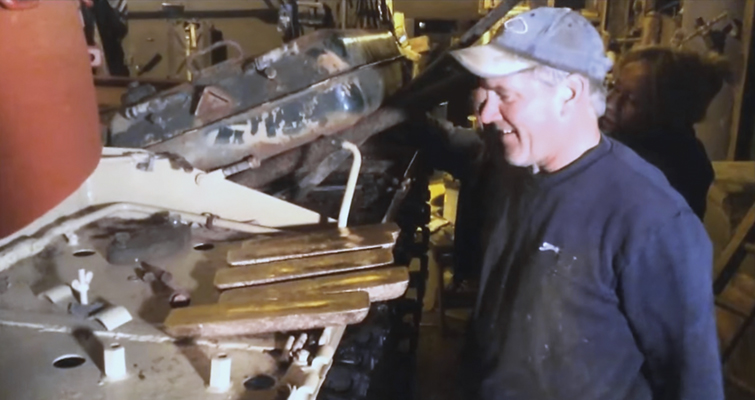
Inside the fuel tank were several heavy objects wrapped carefully and hidden from plain sight. Upon closer inspection, they realized these were solid gold bars—each weighing up to 5 kilograms.

Gold Bars Worth Millions

Todd quickly calculated the approximate value based on the weight and current gold prices. The estimate was staggering: around €2.5 million worth of gold.

At that moment, the restoration project transformed into a historic discovery. The excitement was quickly followed by a sobering realization—this was not treasure they could simply keep.

As Todd later told The Sun, their immediate instinct was to contact the authorities.

“You can’t exactly walk into a pawn shop with five gold bars without raising questions,” he said.

Calling the Police: Doing the Right Thing

Understanding the legal and ethical implications, Nick and Todd contacted British police immediately. Authorities arrived, verified the find, and took possession of the gold. The men were given a receipt acknowledging the confiscation.

While many might dream of finding hidden treasure, Nick remained pragmatic. The gold’s origin was unknown, and keeping it could have led to serious legal consequences.

Their responsible action earned public respect and widespread media attention.

How Did the Gold Get Inside the Tank?

The biggest mystery remains: how did millions in gold end up hidden inside a military tank?

Nick and Todd believe the answer lies in the chaos of war—specifically the Gulf War.

Their theory suggests that Iraqi soldiers may have looted gold from Kuwait during the conflict in the early 1990s. To hide the stolen wealth, they allegedly cut into the fuel tank and concealed the gold bars inside. The tank was later captured, decommissioned, and eventually transported to the UK, its secret undetected for decades.

A Collector Who Values History Over Riches

Nick has repeatedly stated that even if he never receives compensation or a share of the gold, he has no regrets.

“Even if I don’t get a single gold bar back, I’ll still have my beautiful tanks,” he said.

For him, preserving military history and sharing it with the public outweighs any financial windfall.

Back in the Headlines: Helping Ukraine

This would not be the last time Nick Mead made international news.

Following Russia’s invasion of Ukraine, Nick began donating armored vehicles from his collection to support Ukrainian forces. His contributions included Pinzgauer Vector vehicles, Spartan armored personnel carriers, and armored Land Rovers.

According to reports by Metro, by 2023 Nick claimed to have sent over 100 vehicles to Ukraine. His actions placed him among hundreds of private individuals who provided logistical support during the conflict involving Ukraine.

Legal Questions and Unanswered Outcomes

The final fate of the gold remains unclear. In cases like this, ownership depends on complex legal factors, including international law, wartime theft claims, and statutes of limitation.

Gold discovered in military equipment may belong to governments, former owners, or even be classified as war loot subject to restitution. As of now, there has been no public confirmation that Nick or Todd received any financial reward.

Why This Story Captivated the World

This story went viral because it combines:

  • Hidden treasure

  • Military history

  • Moral decision-making

  • Global conflict

  • A real-life plot twist

It reads like a movie script, yet every detail is real. It reminds us that history often hides beneath layers of steel, waiting to be uncovered.

Lessons From an Incredible Discovery

War leaves lasting secrets – Even decades later, conflicts can surface in unexpected ways.

Integrity matters – Doing the right thing can be more valuable than money.

History lives on – Military artifacts are more than machines; they are witnesses to human events.

🔗:https://sumlera.com/explosive-device-injures-politician-during-live-interview/

🔗:https://sumlera.com/which-u-s-oil-companies-could-invest-in-venezuela/

Explosive Device Injures Politician During Live Interview

Shock in Honduras: Explosive Device Injures Politician During Live Interview

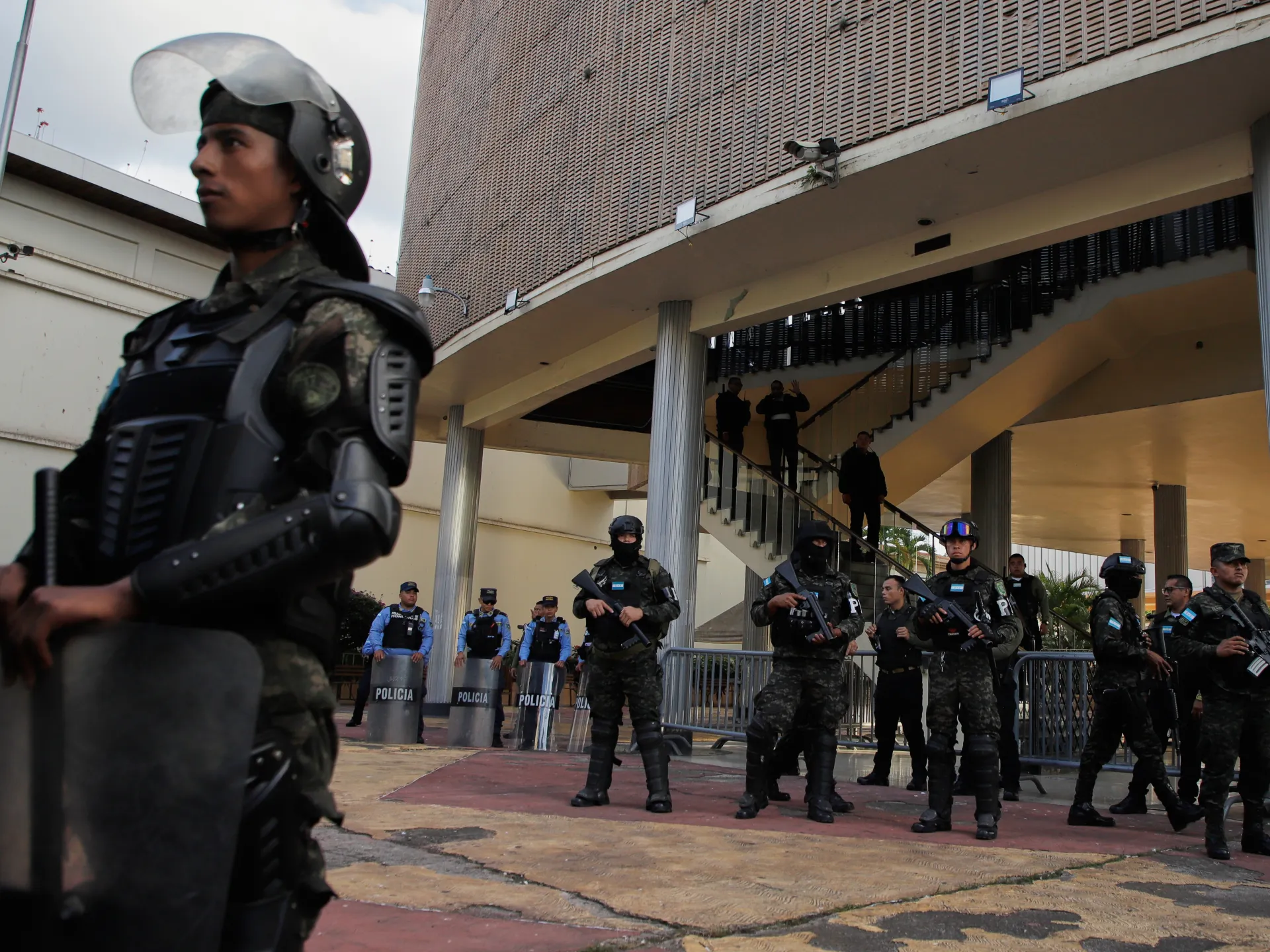
A shocking incident has rocked Honduras after a politician was injured when an explosive device detonated near her head during a live media interview.

The unexpected blast forced an immediate halt to the broadcast and sent shockwaves across the country, reigniting fears about political violence and the safety of public figures and journalists. The incident occurred inside a television studio, a setting typically considered secure, making the event even more alarming for both the media industry and the public.

According to early reports from local authorities, the explosive device was small but powerful enough to cause visible injuries and significant panic. The politician was rushed to a nearby hospital, where medical staff confirmed that she was conscious and receiving treatment. Officials stated that her condition was stable, though she required further observation. Investigators quickly secured the scene and began examining whether the device was remotely triggered or concealed among personal equipment used during the interview.

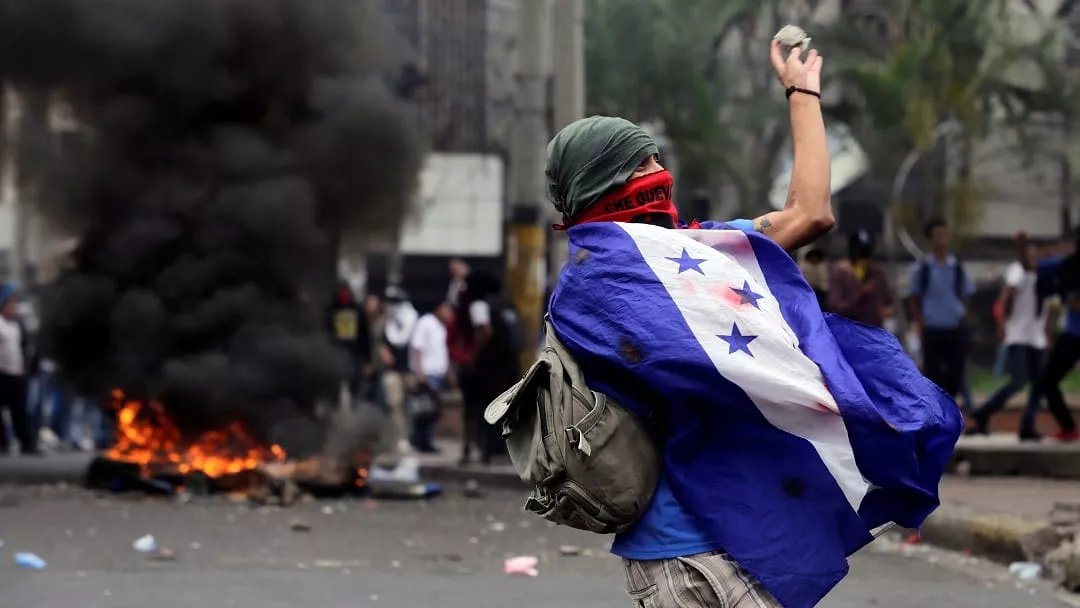
Honduras has long struggled with high levels of violence, but attacks of this nature during live broadcasts are rare and deeply troubling. The incident has drawn comparisons to other cases of political intimidation in Central America, where politicians, activists, and journalists are often targeted. International observers have repeatedly warned that weak security structures and impunity contribute to an environment where such attacks can occur.

Authorities have launched a full investigation, reviewing studio security footage and interviewing production staff and witnesses. Police have not ruled out political motives, noting that the country is experiencing heightened tensions linked to ongoing political rivalries and governance disputes. Analysts believe the attack may have been intended as a warning rather than an assassination attempt, though no conclusions have been officially confirmed.

Reactions from across the political spectrum were swift. Several government officials condemned the attack, calling it an assault on democracy and freedom of expression. Opposition figures echoed those concerns, urging authorities to ensure a transparent investigation and to protect public figures regardless of political affiliation. Statements released through social media emphasized that violence must never become a tool of political discourse.

The incident has also reignited debate about media safety in Honduras. Journalists’ associations expressed deep concern, stressing that newsrooms and studios should be safe spaces for dialogue and accountability. Organizations such as the Committee to Protect Journalists have repeatedly documented threats against reporters in the region, warning that inadequate protection places both journalists and guests at risk. Reports on media safety in Honduras can be found through outlets like Reuters, which has covered the country’s broader security challenges: https://www.reuters.com.

Public reaction has been intense, with many citizens expressing fear and anger online. Social media platforms were flooded with calls for stronger security measures, particularly during live broadcasts. Some users questioned how an explosive device could enter a studio undetected, while others criticized authorities for failing to prevent escalating violence against political figures.

Human rights organizations have urged the Honduran government to act decisively. Groups such as Human Rights Watch have long highlighted the dangers faced by politicians and journalists in the country, linking attacks to organized crime and political instability. Their reports emphasize that accountability is essential to preventing future incidents: https://www.hrw.org/world-report/honduras.

International media outlets quickly picked up the story, framing it as another example of the risks faced by public figures in unstable political environments. BBC News has previously reported on Honduras’s struggles with political violence and press freedom, noting that intimidation tactics often go unpunished: https://www.bbc.com/news/world-latin-america.

Security experts argue that this incident should prompt an immediate review of safety protocols in television studios. Recommendations include enhanced screening procedures, closer coordination with law enforcement, and emergency response training for media staff. Some analysts suggest that media organizations may need to reassess the risks of live broadcasting in high-tension political climates.

The television network involved released a statement confirming its cooperation with authorities and announcing an internal review of security procedures. Executives stressed that the well-being of staff and guests is their top priority and pledged to implement additional safeguards before resuming certain types of live programming.

This attack comes at a critical time for Honduras, as political polarization remains high and public trust in institutions is fragile. Observers warn that unless decisive action is taken, incidents like this could further erode confidence in democratic processes and discourage open political debate. The broader regional context, marked by rising political violence in parts of Central America, adds urgency to these concerns.

As investigations continue, many questions remain unanswered. Who was responsible for the attack? Was it politically motivated, or linked to organized crime? And most importantly, what steps will be taken to prevent similar incidents in the future? International organizations and foreign governments are closely monitoring developments, emphasizing the need for accountability and reform.

For now, the explosion during a live interview stands as a stark reminder of the dangers facing politicians and journalists in volatile environments. It has shocked Honduras and drawn global attention, underscoring the urgent need to protect freedom of expression and ensure that political discourse can occur without fear of violence.

Which U.S. Oil Companies Could Invest in Venezuela?

Trump’s Oil Claim Reignites Global Energy Debate

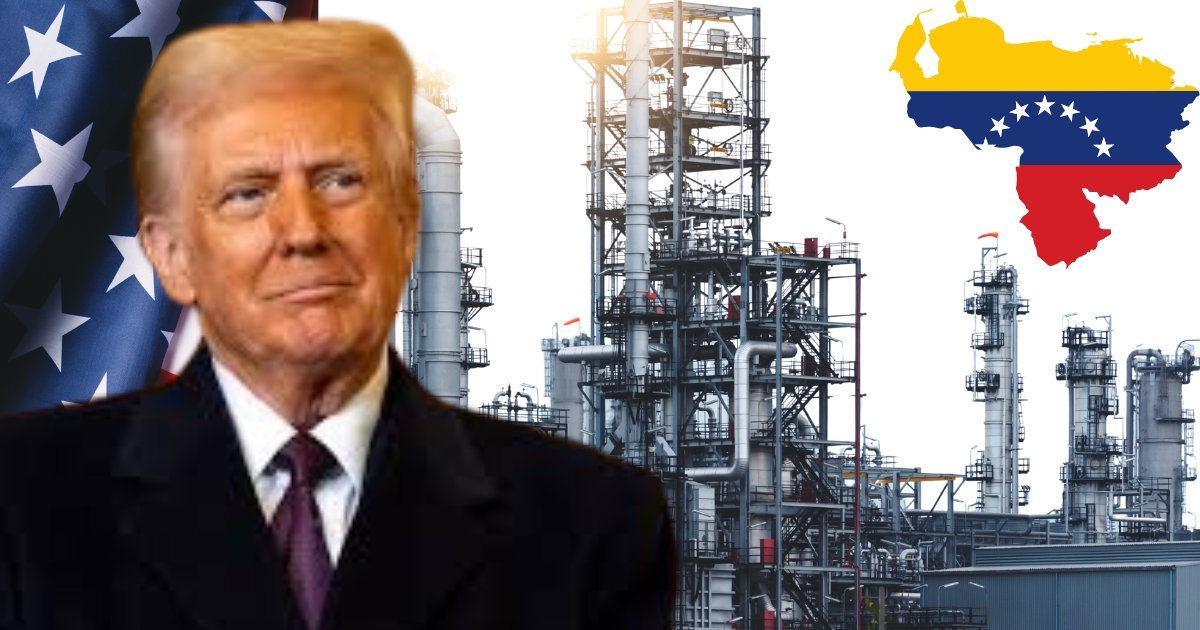
Former U.S. President Donald Trump has once again placed Venezuela at the center of global energy discussions after claiming that the United States received oil worth $4 billion from the South American nation.

Speaking during a high-level meeting with American oil executives, Trump framed the move as part of a broader effort to reclaim U.S. influence over strategic energy assets and stabilize global oil markets.

The statement immediately sparked intense debate among analysts, governments, and investors. While some view the claim as a bold signal of renewed U.S. engagement in Venezuela, others question the feasibility, legality, and long-term implications of such a move. At the heart of the discussion lies one critical question: which U.S. oil companies could realistically invest in Venezuela?

https://www.ft.com/content/4c21c031-443e-4834-a7a6-3dd59672b54e?utm_source=chatgpt.com

Understanding this issue requires a closer look at Venezuela’s oil history, the role of American energy giants, and the political and economic risks that continue to surround the country.

Venezuela’s Oil Industry — From Global Giant to Economic Collapse

Venezuela holds the largest proven oil reserves in the world, surpassing even Saudi Arabia. For decades, oil revenue powered the country’s economy and funded social programs, infrastructure, and international influence. However, years of mismanagement, corruption, sanctions, and declining investment led to the collapse of production capacity.

Under the leadership of Nicolás Maduro, Venezuela’s state oil company PDVSA struggled to maintain aging facilities, retain skilled workers, and access global capital markets. Production fell from over three million barrels per day to a fraction of that amount, leaving the country economically isolated.
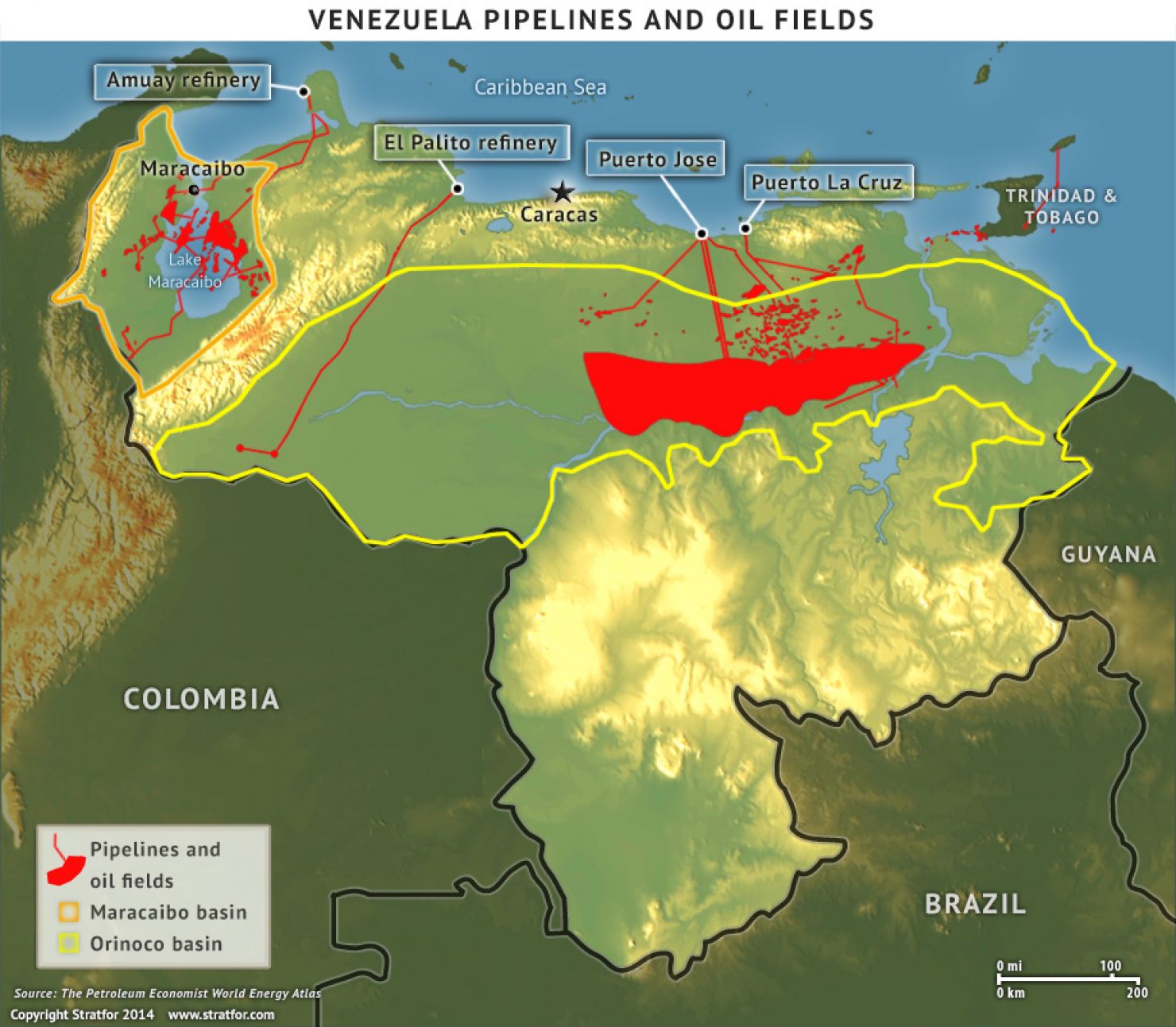
This decline created an opening for potential foreign involvement, particularly from companies with the technical expertise and financial capacity to revive complex oil operations. U.S. firms, once deeply embedded in Venezuela’s energy sector, are now being discussed as possible partners in a future recovery.

Why U.S. Oil Companies Matter in Venezuela

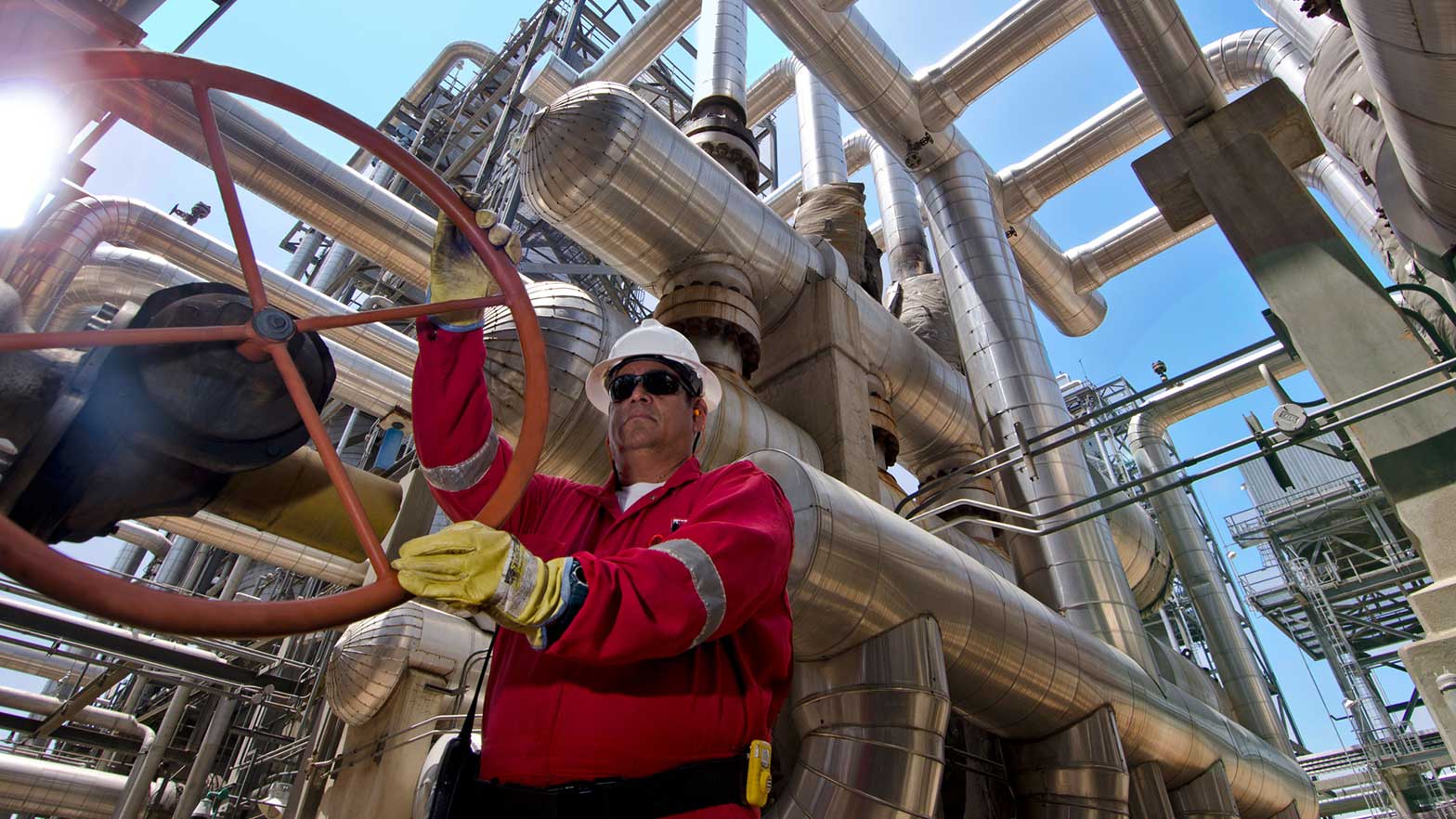
American oil companies possess some of the most advanced extraction, refining, and logistics technologies in the world. Venezuela’s heavy crude oil requires specialized processing techniques that many U.S. refineries are uniquely equipped to handle. This technical compatibility makes U.S. involvement economically attractive, at least in theory.

Trump has repeatedly argued that American companies helped build Venezuela’s oil industry decades ago and therefore have a legitimate claim to participate in its reconstruction. According to this narrative, renewed U.S. investment would benefit both nations by increasing supply, lowering prices, and restoring economic stability.

However, major energy firms operate on long-term risk assessments, not political rhetoric. For them, legal guarantees, contract stability, and regulatory clarity are essential before committing billions of dollars to any project.

Chevron — The Most Likely U.S. Investor

Among all American oil companies, Chevron is widely considered the most likely to expand its presence in Venezuela. Chevron has maintained limited operations in the country even during periods of strict U.S. sanctions, operating under special licenses that allowed it to export Venezuelan crude to the United States.

The company has decades of experience working with PDVSA and already understands the technical and political landscape. This existing footprint gives Chevron a strategic advantage over competitors that exited Venezuela entirely following nationalizations and legal disputes.

If sanctions are further relaxed or restructured, Chevron could scale up production relatively quickly. Analysts believe it would focus on restoring output from existing joint ventures rather than launching entirely new projects, minimizing upfront risk.

ExxonMobil — Cautious but Influential

ExxonMobil is another major U.S. energy giant frequently mentioned in discussions about Venezuela’s future. However, ExxonMobil’s relationship with the country is far more complicated. The company lost significant assets during Venezuela’s wave of nationalizations and later pursued international arbitration claims.

Executives at ExxonMobil have previously described Venezuela as “uninvestable” without sweeping legal reforms. Despite this stance, the company’s technical capabilities and global influence mean it cannot be ignored in any serious conversation about reviving Venezuelan oil production.

If a new framework emerges that guarantees asset protection and contract enforcement, ExxonMobil could reconsider its position. Until then, its involvement is more likely to remain indirect, through advisory roles or limited partnerships.

ConocoPhillips — Tied by History and Arbitration

ConocoPhillips also has deep historical ties to Venezuela. Like ExxonMobil, it lost assets during nationalization and later won arbitration awards against the Venezuelan state. These unresolved financial disputes complicate any immediate return to the country.

ConocoPhillips still holds deep technical knowledge of Venezuelan oil fields and could re-enter the country if unresolved claims are settled through broader negotiations. Analysts say any investment would likely be tied to debt restructuring or compensation deals, allowing the company to recover losses while supporting a gradual recovery in oil production.

Such arrangements would require strong political backing and international mediation, making them complex but not impossible.

Refiners and Service Companies — The Supporting Cast

Beyond the major producers, several U.S. refining and oil service companies could benefit from renewed Venezuelan output. Firms such as Valero, Marathon Petroleum, and Halliburton may not directly invest in oil fields but could play crucial roles in refining, logistics, and technical support.

Venezuelan crude is particularly well-suited for certain U.S. Gulf Coast refineries designed to process heavy oil. Increased supply could improve refinery margins and stabilize fuel prices in the United States.

Oil service companies, meanwhile, could provide drilling equipment, maintenance services, and engineering expertise needed to restart dormant fields. These firms often enter markets earlier than producers, positioning themselves for long-term contracts.

Despite Trump’s optimistic claims, significant obstacles remain. Venezuela’s legal system lacks transparency, and past contract breaches have left foreign investors wary. Any large-scale investment would require ironclad legal protections recognized by international courts.

Sanctions also remain a key issue. While limited licenses exist, full normalization would require political agreements that go beyond the energy sector. Changes in U.S. leadership or policy priorities could quickly reverse current arrangements, adding another layer of uncertainty.

For energy companies accustomed to planning projects decades in advance, this instability represents a major deterrent.

If U.S. companies succeed in restoring Venezuelan production, the effects could be felt worldwide. An increase of even one million barrels per day would significantly alter global supply dynamics, potentially lowering prices and reducing the influence of other major producers.

https://www.reuters.com/business/energy/white-house-gathers-oil-majors-traders-drillers-venezuela-2026-01-09/?utm_source=chatgpt.com

Such a shift could weaken OPEC’s pricing power and provide consuming nations with greater energy security. For the United States, access to nearby heavy crude could reduce reliance on distant suppliers and stabilize domestic fuel markets.

However, analysts caution that rebuilding Venezuela’s industry could take years, even under ideal conditions. Infrastructure damage, workforce shortages, and environmental risks cannot be resolved overnight.

What Comes Next for U.S. Companies and Venezuela

For now, Trump’s statements appear to be more of a strategic signal than a confirmation of completed deals. Oil companies are closely monitoring political developments, regulatory changes, and market signals before committing resources.

Chevron remains best positioned to expand, while ExxonMobil and ConocoPhillips wait for stronger guarantees. Refiners and service companies stand ready to move if conditions improve.

https://www.reuters.com/business/energy/us-oil-companies-say-they-need-guarantees-invest-venezuela-ft-reports-2026-01-08/?utm_source=chatgpt.com

Whether this moment marks the beginning of Venezuela’s return to the global oil stage or another chapter of unfulfilled promises will depend on actions taken in the months ahead.

Conclusion — Opportunity Meets Uncertainty

Venezuela’s vast oil reserves represent both an enormous opportunity and a profound risk. U.S. oil companies have the expertise to revive production, but only if political stability, legal certainty, and economic reforms follow.

Trump’s bold claims have reignited interest and speculation, but the path from rhetoric to reality remains uncertain. For investors, governments, and consumers alike, the future of Venezuelan oil will be a story to watch closely — one that could reshape global energy markets for years to come.

🔗: https://sumlera.com/trump-says-us-received-4b-in-venezuelan-oil/

Trump says US received $4B in Venezuelan oil.

Trump Claims Venezuela Gave the US $4 Billion in Oil — What Happens Next

Trump’s Statement That Shook the Energy World

During a high-profile meeting with top executives from major American oil companies, Donald Trump made a striking claim: the United States had received Venezuelan oil worth approximately $4 billion, equivalent to 30 million barrels, in a single day. The statement immediately drew global attention, not only because of its sheer scale, but also because of its geopolitical implications.

 🔗: https://www.bbc.com/news/articles/c4grxzxjjd8o

Trump framed the claim as part of a broader effort to put “America First” in global energy markets. According to his remarks, the oil transfer would primarily benefit the United States while also providing limited financial relief to Venezuela. The comments sparked intense debate among economists, diplomats, and energy analysts worldwide.

While no official documentation was presented during the meeting, Trump insisted that the arrangement marked the beginning of a long-term strategy involving Venezuelan crude, US refining capacity, and global oil supply chains.

The Context — Venezuela’s Oil Industry in Crisis

Venezuela sits atop the largest proven oil reserves in the world, yet its energy sector has been crippled for years by mismanagement, sanctions, and underinvestment. Once a global powerhouse capable of producing more than three million barrels per day, the country’s output has fallen dramatically.

Under the leadership of Nicolás Maduro, Venezuela’s state-run oil company PDVSA struggled with aging infrastructure, technical brain drain, and limited access to international capital. US sanctions further isolated the country from global markets, sharply restricting its ability to sell crude oil freely.

Trump’s claim suggests a dramatic shift away from this status quo, raising questions about whether sanctions were eased, bypassed, or restructured in ways not yet fully disclosed.

How Could a $4 Billion Oil Transfer Work?

Energy experts note that 30 million barrels of oil roughly aligns with Trump’s stated valuation, depending on global crude prices and oil quality. Such a volume, however, would normally require extensive logistics, contracts, shipping capacity, and refining agreements.

Trump asserted that the United States helped build Venezuela’s oil industry decades ago and is now “taking back what was taken.” This rhetoric suggests a political narrative rather than a traditional commercial transaction. Analysts stress that moving such a quantity of oil would typically take weeks, not days, under standard market conditions.

The lack of clarity has fueled speculation about whether the claim refers to:

  • A future supply agreement,

  • Oil already allocated for US companies, or

  • A theoretical market value rather than a completed delivery.

Immediate Impact on Global Oil Markets

Even the perception of additional oil entering the US market can influence prices. Following Trump’s remarks, traders closely watched crude benchmarks for signs of volatility. A sustained flow of Venezuelan oil into US refineries could increase supply and place downward pressure on fuel prices, especially gasoline and diesel.

However, analysts caution that the global oil market is complex. Factors such as OPEC+ production limits, Middle East tensions, and demand fluctuations in Asia could easily outweigh the effects of Venezuelan crude re-entering the market.

If the US were granted long-term access to Venezuelan oil, it could reshape global energy trade routes and weaken the leverage of other major exporters.

US Oil Companies and Their Role

Trump’s meeting reportedly included leaders from some of the largest US energy firms, including Chevron, ExxonMobil, and ConocoPhillips. These companies have historical ties to Venezuela and possess the technical expertise required to revive production.

Yet executives have long described Venezuela as “high-risk” due to legal uncertainty and past nationalizations. Without clear property rights, profit-sharing rules, and political stability, large-scale investment remains unlikely.

Trump suggested that American companies could help rebuild Venezuela’s oil infrastructure rapidly, unlocking millions of barrels per day for global markets. Industry insiders remain cautious, emphasizing that rebuilding could take years and tens of billions of dollars.

Legal and Diplomatic Questions

One of the biggest uncertainties surrounding Trump’s claim involves international law. Venezuela is a sovereign nation, and its oil resources are legally owned by the state. Any large-scale transfer of oil to another country would normally require transparent agreements recognized by international institutions.

Diplomats warn that unilateral claims could escalate tensions in Latin America and beyond. Countries such as China and Russia, both with significant interests in Venezuela, may view expanded US involvement as a strategic threat.

Human rights organizations have also raised concerns that oil revenues might bypass the Venezuelan population, doing little to improve living conditions on the ground.

What This Means for the United States

From a US perspective, access to Venezuelan oil could:

  • Strengthen energy security,

  • Reduce dependence on Middle Eastern suppliers,

  • Support domestic refining and fuel stability.

Trump portrayed the move as a win for American workers and consumers, arguing that cheaper energy would boost the economy. However, critics argue that political uncertainty could undermine any short-term benefits.

If no formal agreements materialize, the claim may remain symbolic rather than transformative.

Reactions From Venezuela and Abroad

Official reactions from Caracas were muted, with no immediate confirmation matching Trump’s figures. Regional governments in Latin America expressed caution, emphasizing the importance of respecting national sovereignty.

European allies also sought clarification, noting that changes to Venezuelan oil flows could affect global supply balances and sanctions frameworks.

International observers stress that without transparent documentation, it is impossible to verify whether oil worth $4 billion has actually changed hands.

Is This the Start of a New Energy Era?

Trump also claimed that Venezuela had agreed to allow the US to begin refining and selling up to 50 million barrels of crude immediately, with no defined end date. If accurate, such an arrangement would mark one of the most significant shifts in global energy politics in decades.

🔗:https://www.siasat.com/trump-outlines-us-led-revival-of-venezuela-oil-sector-3323587/

Yet experts emphasize that oil diplomacy rarely moves this fast. Infrastructure constraints, legal barriers, and geopolitical resistance could all slow or block implementation.

For now, the claim stands as a bold statement with potentially far-reaching consequences — but many unanswered questions.

What Comes Next?

In the coming weeks, markets will look for concrete evidence: shipping data, refinery inputs, official contracts, or policy announcements. Without these, skepticism will remain high.

Whether Trump’s declaration represents a real transfer of oil or a political signal aimed at reshaping negotiations, it has already reignited global debate about Venezuela’s resources and America’s role in the energy future.

One thing is certain: if Venezuelan oil truly begins flowing to the United States at scale, the ripple effects will be felt far beyond Washington and Caracas.