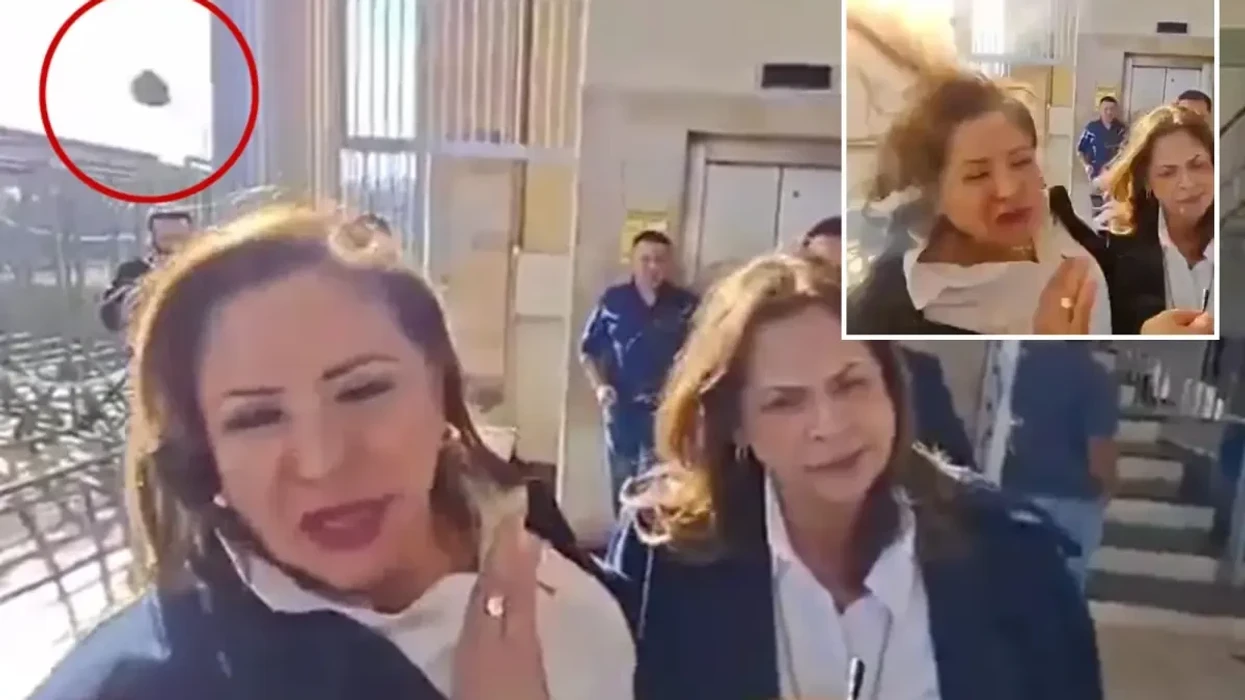
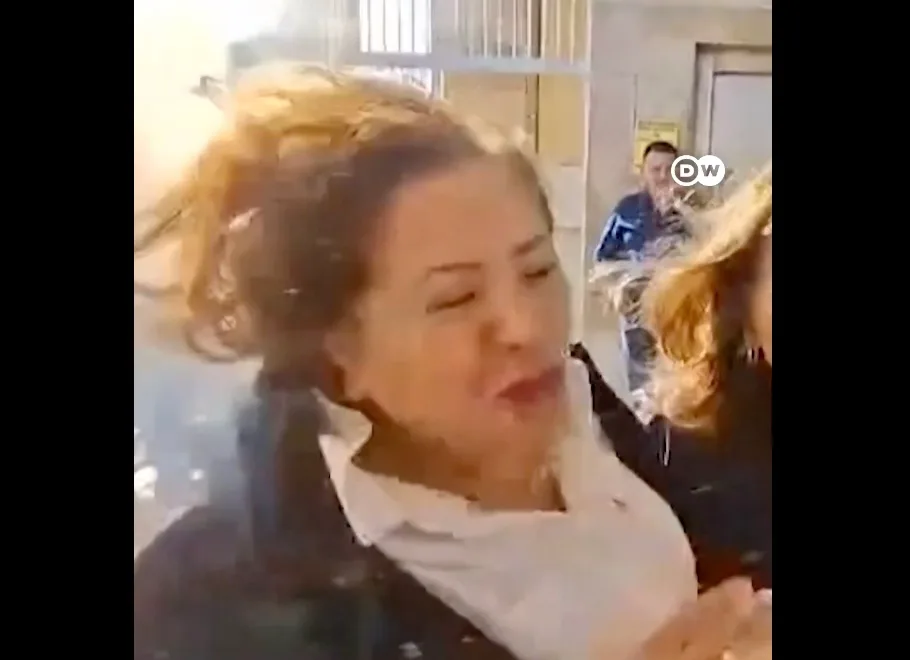
Shock in Honduras: Explosive Device Injures Politician During Live Interview
A shocking incident has rocked Honduras after a politician was injured when an explosive device detonated near her head during a live media interview.
The unexpected blast forced an immediate halt to the broadcast and sent shockwaves across the country, reigniting fears about political violence and the safety of public figures and journalists. The incident occurred inside a television studio, a setting typically considered secure, making the event even more alarming for both the media industry and the public.
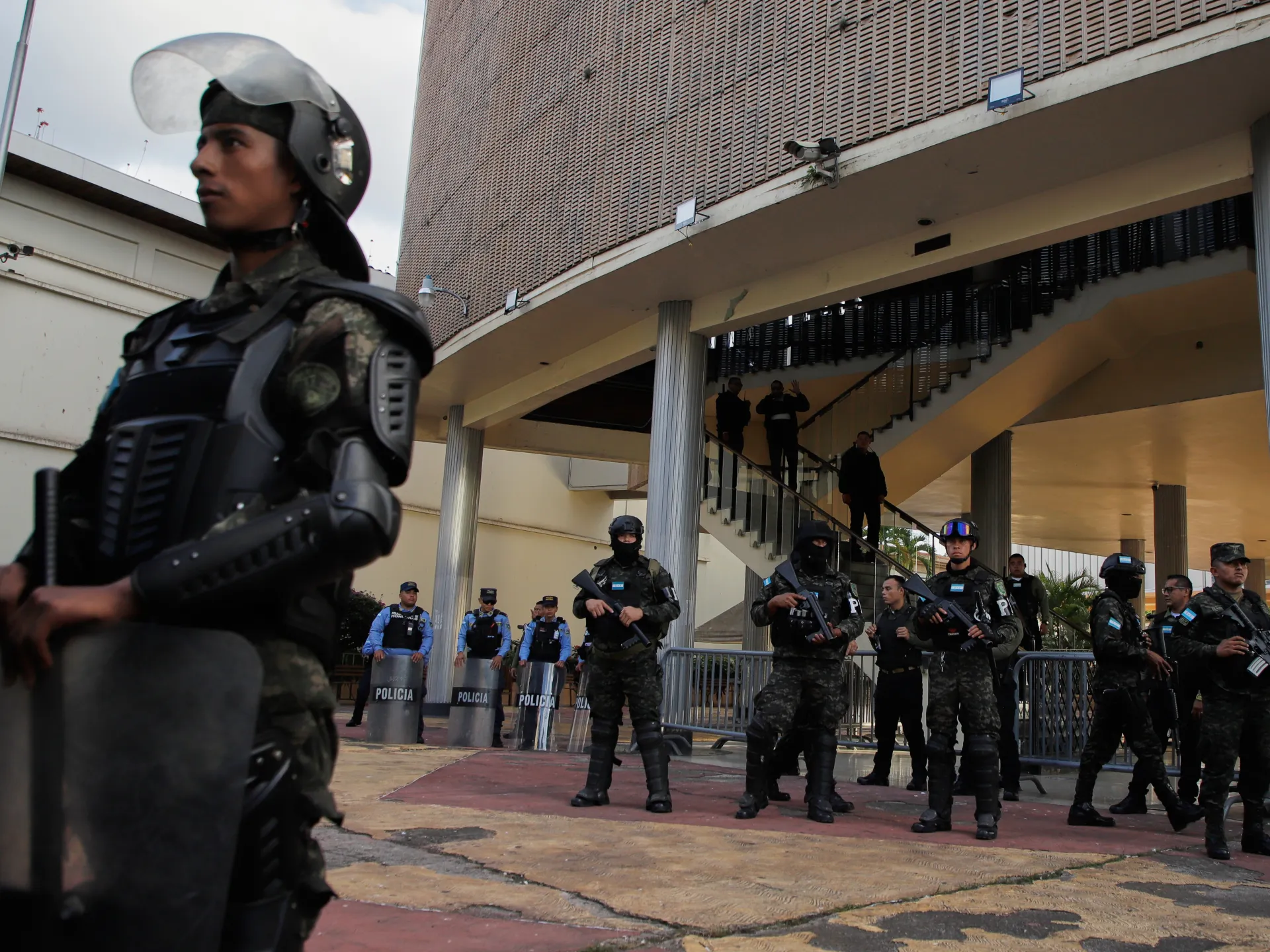
According to early reports from local authorities, the explosive device was small but powerful enough to cause visible injuries and significant panic. The politician was rushed to a nearby hospital, where medical staff confirmed that she was conscious and receiving treatment. Officials stated that her condition was stable, though she required further observation. Investigators quickly secured the scene and began examining whether the device was remotely triggered or concealed among personal equipment used during the interview.
Honduras has long struggled with high levels of violence, but attacks of this nature during live broadcasts are rare and deeply troubling. The incident has drawn comparisons to other cases of political intimidation in Central America, where politicians, activists, and journalists are often targeted. International observers have repeatedly warned that weak security structures and impunity contribute to an environment where such attacks can occur.
Authorities have launched a full investigation, reviewing studio security footage and interviewing production staff and witnesses. Police have not ruled out political motives, noting that the country is experiencing heightened tensions linked to ongoing political rivalries and governance disputes. Analysts believe the attack may have been intended as a warning rather than an assassination attempt, though no conclusions have been officially confirmed.
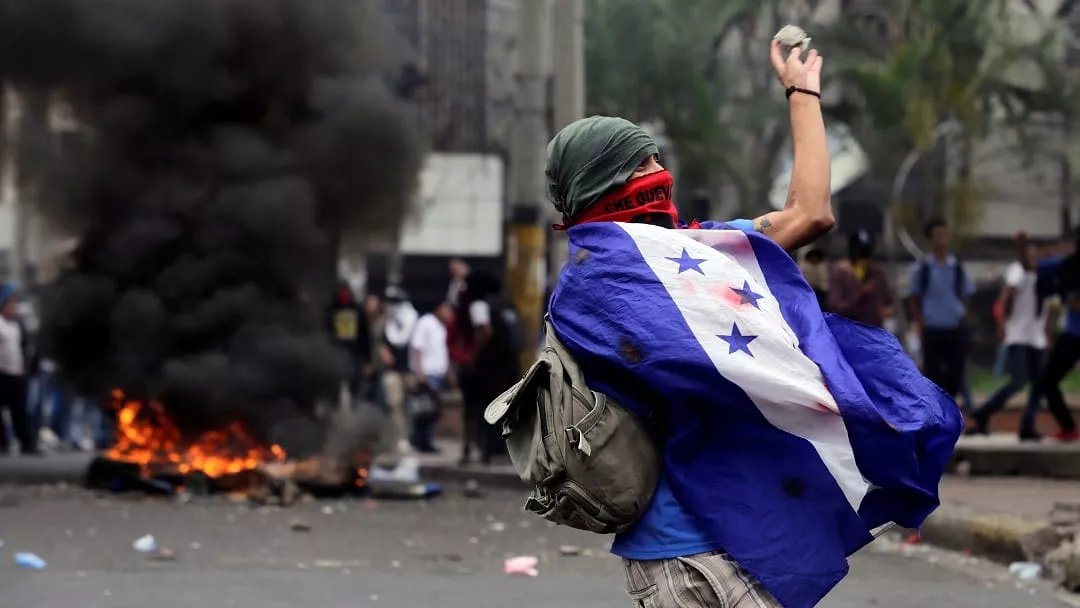
Reactions from across the political spectrum were swift. Several government officials condemned the attack, calling it an assault on democracy and freedom of expression. Opposition figures echoed those concerns, urging authorities to ensure a transparent investigation and to protect public figures regardless of political affiliation. Statements released through social media emphasized that violence must never become a tool of political discourse.
The incident has also reignited debate about media safety in Honduras. Journalists’ associations expressed deep concern, stressing that newsrooms and studios should be safe spaces for dialogue and accountability. Organizations such as the Committee to Protect Journalists have repeatedly documented threats against reporters in the region, warning that inadequate protection places both journalists and guests at risk. Reports on media safety in Honduras can be found through outlets like Reuters, which has covered the country’s broader security challenges: https://www.reuters.com.
Public reaction has been intense, with many citizens expressing fear and anger online. Social media platforms were flooded with calls for stronger security measures, particularly during live broadcasts. Some users questioned how an explosive device could enter a studio undetected, while others criticized authorities for failing to prevent escalating violence against political figures.
Human rights organizations have urged the Honduran government to act decisively. Groups such as Human Rights Watch have long highlighted the dangers faced by politicians and journalists in the country, linking attacks to organized crime and political instability. Their reports emphasize that accountability is essential to preventing future incidents: https://www.hrw.org/world-report/honduras.
International media outlets quickly picked up the story, framing it as another example of the risks faced by public figures in unstable political environments. BBC News has previously reported on Honduras’s struggles with political violence and press freedom, noting that intimidation tactics often go unpunished: https://www.bbc.com/news/world-latin-america.
Security experts argue that this incident should prompt an immediate review of safety protocols in television studios. Recommendations include enhanced screening procedures, closer coordination with law enforcement, and emergency response training for media staff. Some analysts suggest that media organizations may need to reassess the risks of live broadcasting in high-tension political climates.
The television network involved released a statement confirming its cooperation with authorities and announcing an internal review of security procedures. Executives stressed that the well-being of staff and guests is their top priority and pledged to implement additional safeguards before resuming certain types of live programming.
This attack comes at a critical time for Honduras, as political polarization remains high and public trust in institutions is fragile. Observers warn that unless decisive action is taken, incidents like this could further erode confidence in democratic processes and discourage open political debate. The broader regional context, marked by rising political violence in parts of Central America, adds urgency to these concerns.
As investigations continue, many questions remain unanswered. Who was responsible for the attack? Was it politically motivated, or linked to organized crime? And most importantly, what steps will be taken to prevent similar incidents in the future? International organizations and foreign governments are closely monitoring developments, emphasizing the need for accountability and reform.
- 🔗READ MORE
- https://sumlera.com/why-nato-officials-warn-the-u-s-in-2026-about-greenland/
- https://sumlera.com/stock-futures-steady-as-dow-hits-record-us/
For now, the explosion during a live interview stands as a stark reminder of the dangers facing politicians and journalists in volatile environments. It has shocked Honduras and drawn global attention, underscoring the urgent need to protect freedom of expression and ensure that political discourse can occur without fear of violence.