Mazda Launches a New Electric Car for Europe

Mazda Launches a New Electric Car for Europe

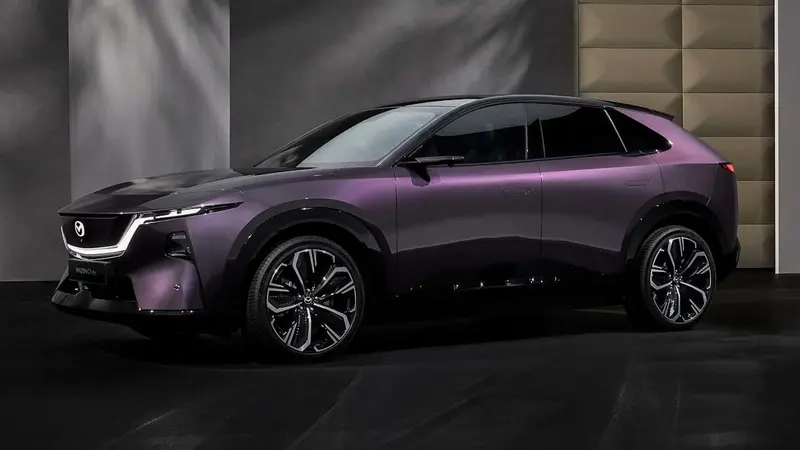
Mazda has officially launched a new electric car tailored specifically for the European market, marking a significant milestone in the company’s long-term transition toward electrified mobility.

As European governments tighten emissions regulations and consumers increasingly shift toward sustainable transportation, Mazda’s latest electric vehicle represents both a strategic and technological evolution for the brand.

The new model reflects Mazda’s commitment to combining environmental responsibility, engineering precision, and driver-focused design, while adapting to the unique demands of European roads, cities, and driving habits. With this launch, Mazda strengthens its position in a market that has become one of the most competitive and fast-moving EV landscapes in the world.

A Strategic Step in Mazda’s Electrification Journey

Mazda’s decision to introduce a new electric car for Europe is not accidental. Europe has emerged as a global leader in electric vehicle adoption due to a combination of government incentives, expanding charging infrastructure, and growing environmental awareness among consumers.

For Mazda, the European market presents both an opportunity and a challenge. Traditional internal combustion vehicles are being phased out, and manufacturers must adapt quickly to meet regulatory deadlines while maintaining brand identity. This new electric model is a response to that reality, aligning Mazda’s engineering philosophy with the future of mobility.

According to the company, the vehicle forms part of a broader electrification roadmap that includes electric, plug-in hybrid, and hybrid models over the coming years.

Designed Specifically for European Drivers

One of the defining aspects of Mazda’s new electric car is that it was developed with European customers in mind. Unlike global one-size-fits-all models, this vehicle takes into account the specific driving environments found across Europe—from narrow urban streets to high-speed motorways.

Key design priorities include:

  • Compact yet practical dimensions for city driving

  • Efficient energy consumption for shorter daily commutes

  • Comfortable performance for longer intercity travel

  • Compliance with strict EU safety and emissions regulations

Mazda engineers focused heavily on balancing efficiency with driving enjoyment, ensuring that the electric experience still reflects the brand’s reputation for smooth handling and responsive control.

Electric Powertrain and Battery Technology

At the heart of the new electric car is an advanced electric powertrain designed to deliver quiet operation, instant torque, and consistent performance. Mazda emphasized that the vehicle’s electric system was optimized not only for range, but also for long-term durability and reliability.

The battery technology has been developed to support:

  • Faster charging times

  • Stable performance in cold and hot climates

  • Reduced energy loss during daily use

  • Long-term battery health

While Mazda has not positioned the model as a long-range flagship EV, the company instead focused on realistic, everyday usability, which aligns closely with how most European drivers use their vehicles.

More details about Mazda’s electrification strategy can be found on its official European website:
👉 https://www.mazda.eu/en/electric/

Charging and Everyday Practicality

Charging convenience remains a crucial factor for EV adoption, and Mazda has designed its new electric car to integrate seamlessly with Europe’s rapidly expanding charging infrastructure.

The vehicle supports:

  • Home AC charging

  • Public charging stations across Europe

  • Optimized energy management for urban charging cycles

Mazda highlighted that the car is ideal for drivers who primarily commute within cities or suburbs but still require flexibility for longer trips. The charging system is engineered to minimize downtime while maintaining battery longevity.

Interior Design: Minimalism Meets Technology

Inside the cabin, Mazda continues its long-standing design philosophy focused on simplicity, comfort, and driver engagement. The interior avoids unnecessary complexity, instead offering intuitive controls and high-quality materials that create a calm and refined driving environment.

Interior highlights include:

  • Clean dashboard layout

  • Digital displays with essential driving information

  • Advanced connectivity features

  • Comfortable seating optimized for daily use

Rather than overwhelming drivers with excessive screens, Mazda focused on ensuring that technology supports the driving experience instead of distracting from it.

Safety and Driver Assistance Systems

Safety remains a top priority for European buyers, and Mazda has equipped its new electric car with a comprehensive suite of advanced driver-assistance systems (ADAS).

These systems are designed to:

  • Enhance driver awareness

  • Reduce the risk of collisions

  • Improve overall road safety

Features include adaptive cruise control, lane support systems, automatic emergency braking, and intelligent speed assistance—fully compliant with European safety standards.

Performance and Driving Experience

Despite being an electric vehicle, Mazda insists that driving enjoyment remains central to the car’s identity. The instant torque delivered by the electric motor provides smooth acceleration, while the chassis tuning ensures balanced handling.

Mazda engineers paid close attention to:

  • Steering responsiveness

  • Ride comfort

  • Vehicle stability at different speeds

This approach ensures that the electric car feels natural and engaging to drive, even for customers transitioning from traditional combustion engines.

Europe’s Rapidly Growing EV Market

Europe has become one of the world’s most dynamic electric vehicle markets. Countries such as Germany, France, the Netherlands, and the Nordic nations are leading the transition toward electric mobility.

Industry analysts note that European EV sales continue to rise year after year, driven by:

  • Government incentives

  • Expanding charging networks

  • Increasing fuel costs

  • Stronger environmental policies

According to industry coverage from Electrek, Europe remains one of the most competitive regions for electric vehicle development and adoption:
👉 https://electrek.co/guides/electric-vehicles/

Competition in the European EV Segment

Mazda’s new electric car enters a crowded and highly competitive market. European consumers already have access to electric models from both established manufacturers and new entrants.

However, Mazda aims to differentiate itself by offering:

  • A balanced approach to range and efficiency

  • Premium interior quality

  • A focus on driving feel rather than pure specifications

Rather than competing solely on numbers, Mazda positions its EV as a thoughtfully engineered solution for everyday European mobility.

Environmental Impact and Sustainability

Beyond zero tailpipe emissions, Mazda has also focused on reducing the environmental footprint of its production processes. The company continues to invest in sustainable manufacturing practices and aims to lower emissions across the entire vehicle lifecycle.

This includes:

  • More efficient production methods

  • Responsible sourcing of materials

  • Improved battery recycling strategies

Mazda views electrification as part of a broader sustainability mission rather than a standalone solution.

Pricing Expectations and Market Positioning

While final pricing details may vary by country, Mazda has indicated that the new electric car is intended to be competitively priced within its segment. The goal is to make electric mobility accessible without compromising quality or safety.

Pricing strategies will take into account:

  • Local incentives and subsidies

  • Market competition

  • Regional demand

This approach allows Mazda to adapt to different European markets while maintaining a consistent brand image.

Mazda’s Long-Term Vision for Electric Mobility

Mazda has made it clear that this electric model is only the beginning. The company plans to expand its electrified lineup steadily, integrating electric and hybrid technologies across multiple segments.

Future plans include:

  • Additional electric models

  • Expanded hybrid offerings

  • Continued investment in battery technology

Mazda’s strategy emphasizes gradual, sustainable growth rather than rapid expansion at the expense of quality.

Consumer Expectations and Market Reception

Early reactions to Mazda’s new electric car suggest strong interest from European consumers, particularly those seeking a refined and practical EV rather than a technology-heavy showcase model.

Consumers increasingly value:

  • Reliability

  • Real-world efficiency

  • Brand trust

Mazda’s reputation for build quality and thoughtful engineering may play a key role in the model’s success.

With the launch of its new electric car for Europe, Mazda demonstrates a clear commitment to the future of mobility. By combining electric technology with the brand’s core values of design, performance, and reliability, Mazda offers a compelling option for European drivers navigating the transition to electric vehicles.

Rather than chasing extremes, Mazda’s approach focuses on balance, usability, and long-term value—qualities that resonate strongly in today’s evolving automotive landscape.

Which U.S. Oil Companies Could Invest in Venezuela?

Trump’s Oil Claim Reignites Global Energy Debate

Former U.S. President Donald Trump has once again placed Venezuela at the center of global energy discussions after claiming that the United States received oil worth $4 billion from the South American nation.

Speaking during a high-level meeting with American oil executives, Trump framed the move as part of a broader effort to reclaim U.S. influence over strategic energy assets and stabilize global oil markets.

The statement immediately sparked intense debate among analysts, governments, and investors. While some view the claim as a bold signal of renewed U.S. engagement in Venezuela, others question the feasibility, legality, and long-term implications of such a move. At the heart of the discussion lies one critical question: which U.S. oil companies could realistically invest in Venezuela?

https://www.ft.com/content/4c21c031-443e-4834-a7a6-3dd59672b54e?utm_source=chatgpt.com

Understanding this issue requires a closer look at Venezuela’s oil history, the role of American energy giants, and the political and economic risks that continue to surround the country.

Venezuela’s Oil Industry — From Global Giant to Economic Collapse

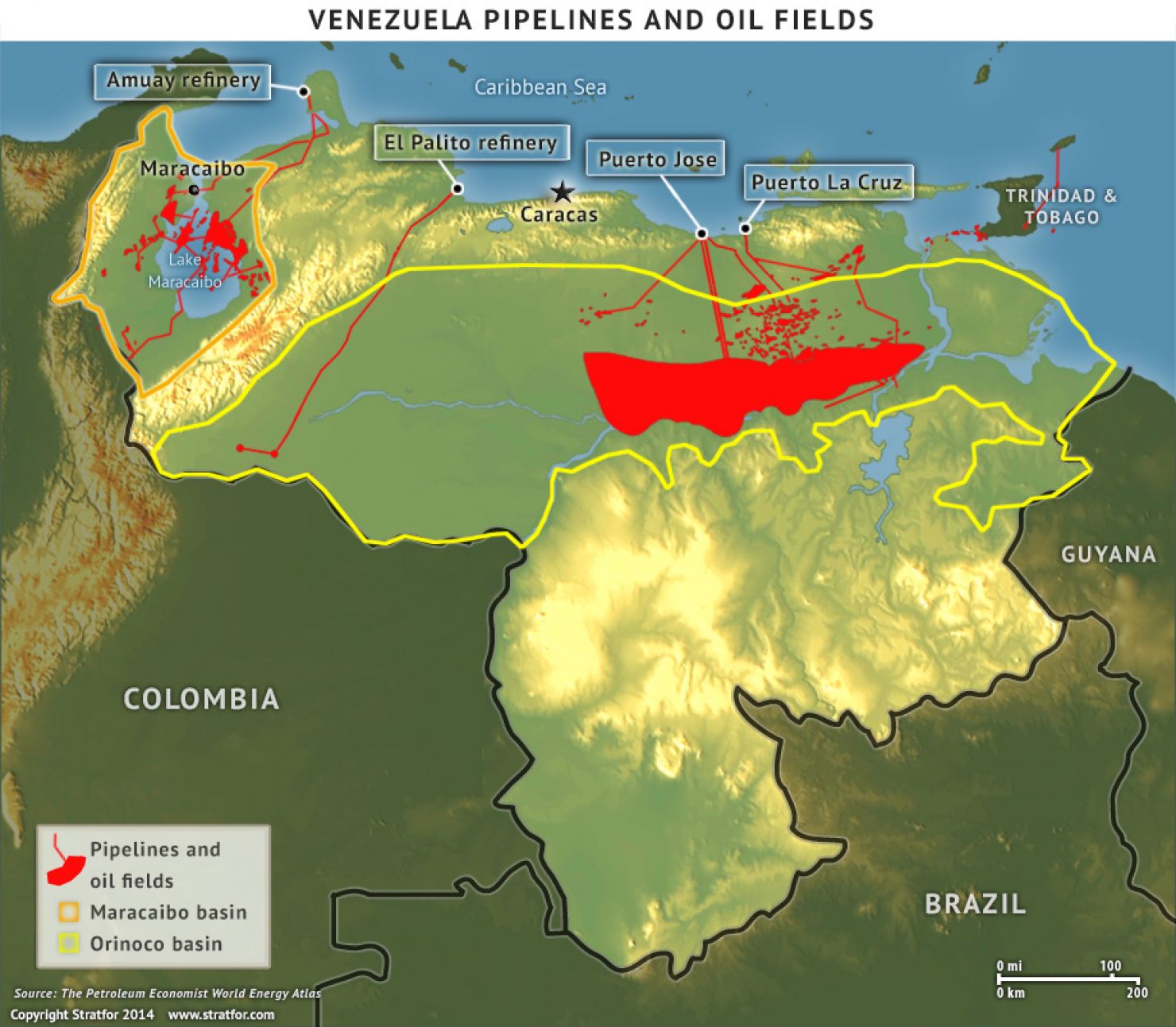
Venezuela holds the largest proven oil reserves in the world, surpassing even Saudi Arabia. For decades, oil revenue powered the country’s economy and funded social programs, infrastructure, and international influence. However, years of mismanagement, corruption, sanctions, and declining investment led to the collapse of production capacity.

Under the leadership of Nicolás Maduro, Venezuela’s state oil company PDVSA struggled to maintain aging facilities, retain skilled workers, and access global capital markets. Production fell from over three million barrels per day to a fraction of that amount, leaving the country economically isolated.

This decline created an opening for potential foreign involvement, particularly from companies with the technical expertise and financial capacity to revive complex oil operations. U.S. firms, once deeply embedded in Venezuela’s energy sector, are now being discussed as possible partners in a future recovery.

Why U.S. Oil Companies Matter in Venezuela

American oil companies possess some of the most advanced extraction, refining, and logistics technologies in the world. Venezuela’s heavy crude oil requires specialized processing techniques that many U.S. refineries are uniquely equipped to handle. This technical compatibility makes U.S. involvement economically attractive, at least in theory.

Trump has repeatedly argued that American companies helped build Venezuela’s oil industry decades ago and therefore have a legitimate claim to participate in its reconstruction. According to this narrative, renewed U.S. investment would benefit both nations by increasing supply, lowering prices, and restoring economic stability.

However, major energy firms operate on long-term risk assessments, not political rhetoric. For them, legal guarantees, contract stability, and regulatory clarity are essential before committing billions of dollars to any project.

Chevron — The Most Likely U.S. Investor

Among all American oil companies, Chevron is widely considered the most likely to expand its presence in Venezuela. Chevron has maintained limited operations in the country even during periods of strict U.S. sanctions, operating under special licenses that allowed it to export Venezuelan crude to the United States.

The company has decades of experience working with PDVSA and already understands the technical and political landscape. This existing footprint gives Chevron a strategic advantage over competitors that exited Venezuela entirely following nationalizations and legal disputes.

If sanctions are further relaxed or restructured, Chevron could scale up production relatively quickly. Analysts believe it would focus on restoring output from existing joint ventures rather than launching entirely new projects, minimizing upfront risk.

ExxonMobil — Cautious but Influential

ExxonMobil is another major U.S. energy giant frequently mentioned in discussions about Venezuela’s future. However, ExxonMobil’s relationship with the country is far more complicated. The company lost significant assets during Venezuela’s wave of nationalizations and later pursued international arbitration claims.

Executives at ExxonMobil have previously described Venezuela as “uninvestable” without sweeping legal reforms. Despite this stance, the company’s technical capabilities and global influence mean it cannot be ignored in any serious conversation about reviving Venezuelan oil production.

If a new framework emerges that guarantees asset protection and contract enforcement, ExxonMobil could reconsider its position. Until then, its involvement is more likely to remain indirect, through advisory roles or limited partnerships.

ConocoPhillips — Tied by History and Arbitration

ConocoPhillips also has deep historical ties to Venezuela. Like ExxonMobil, it lost assets during nationalization and later won arbitration awards against the Venezuelan state. These unresolved financial disputes complicate any immediate return to the country.

ConocoPhillips still holds deep technical knowledge of Venezuelan oil fields and could re-enter the country if unresolved claims are settled through broader negotiations. Analysts say any investment would likely be tied to debt restructuring or compensation deals, allowing the company to recover losses while supporting a gradual recovery in oil production.

Such arrangements would require strong political backing and international mediation, making them complex but not impossible.

Refiners and Service Companies — The Supporting Cast

Beyond the major producers, several U.S. refining and oil service companies could benefit from renewed Venezuelan output. Firms such as Valero, Marathon Petroleum, and Halliburton may not directly invest in oil fields but could play crucial roles in refining, logistics, and technical support.

Venezuelan crude is particularly well-suited for certain U.S. Gulf Coast refineries designed to process heavy oil. Increased supply could improve refinery margins and stabilize fuel prices in the United States.

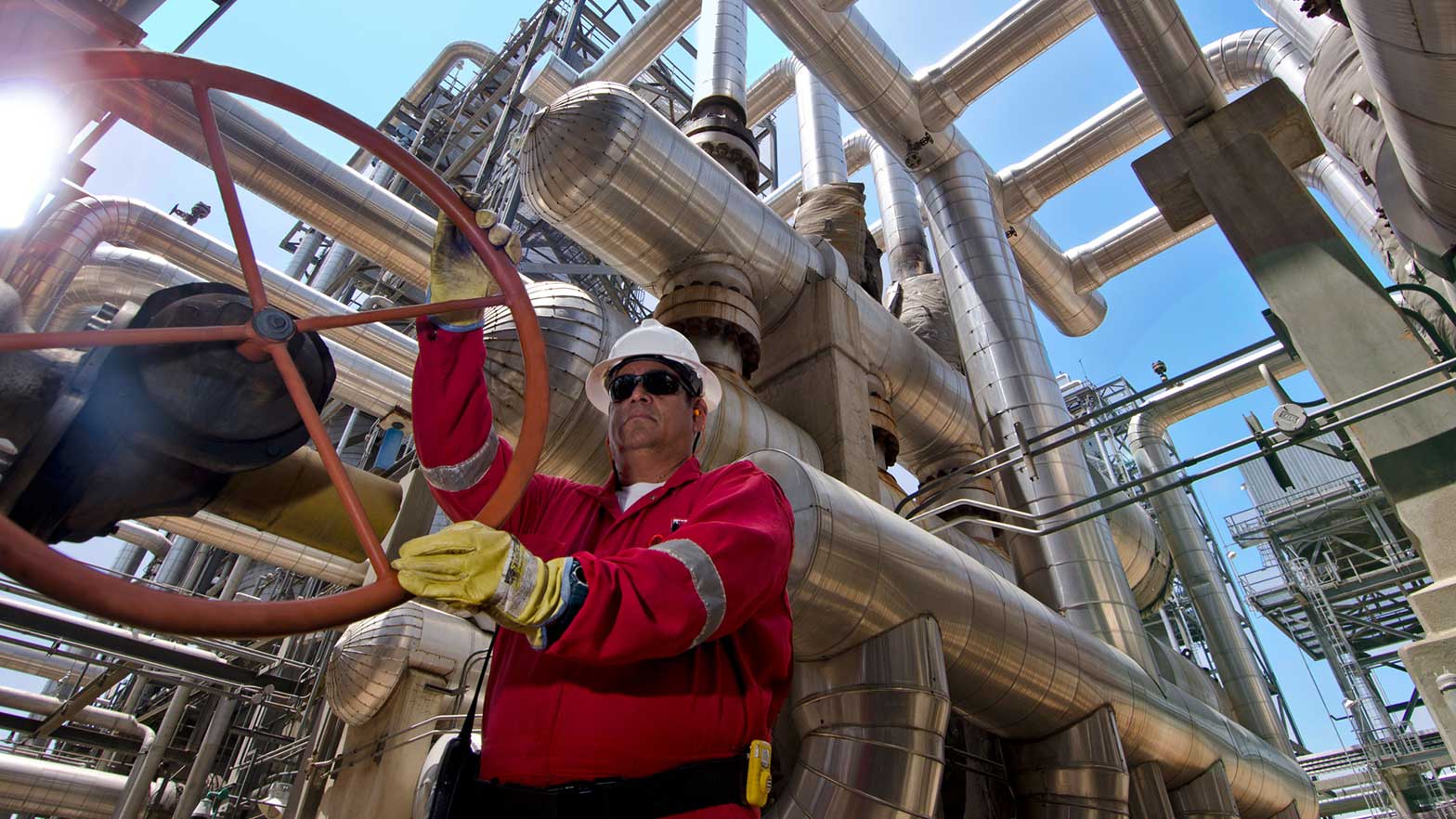
Oil service companies, meanwhile, could provide drilling equipment, maintenance services, and engineering expertise needed to restart dormant fields. These firms often enter markets earlier than producers, positioning themselves for long-term contracts.

Despite Trump’s optimistic claims, significant obstacles remain. Venezuela’s legal system lacks transparency, and past contract breaches have left foreign investors wary. Any large-scale investment would require ironclad legal protections recognized by international courts.

Sanctions also remain a key issue. While limited licenses exist, full normalization would require political agreements that go beyond the energy sector. Changes in U.S. leadership or policy priorities could quickly reverse current arrangements, adding another layer of uncertainty.

For energy companies accustomed to planning projects decades in advance, this instability represents a major deterrent.

If U.S. companies succeed in restoring Venezuelan production, the effects could be felt worldwide. An increase of even one million barrels per day would significantly alter global supply dynamics, potentially lowering prices and reducing the influence of other major producers.

https://www.reuters.com/business/energy/white-house-gathers-oil-majors-traders-drillers-venezuela-2026-01-09/?utm_source=chatgpt.com

Such a shift could weaken OPEC’s pricing power and provide consuming nations with greater energy security. For the United States, access to nearby heavy crude could reduce reliance on distant suppliers and stabilize domestic fuel markets.

However, analysts caution that rebuilding Venezuela’s industry could take years, even under ideal conditions. Infrastructure damage, workforce shortages, and environmental risks cannot be resolved overnight.

What Comes Next for U.S. Companies and Venezuela

For now, Trump’s statements appear to be more of a strategic signal than a confirmation of completed deals. Oil companies are closely monitoring political developments, regulatory changes, and market signals before committing resources.

Chevron remains best positioned to expand, while ExxonMobil and ConocoPhillips wait for stronger guarantees. Refiners and service companies stand ready to move if conditions improve.

https://www.reuters.com/business/energy/us-oil-companies-say-they-need-guarantees-invest-venezuela-ft-reports-2026-01-08/?utm_source=chatgpt.com

Whether this moment marks the beginning of Venezuela’s return to the global oil stage or another chapter of unfulfilled promises will depend on actions taken in the months ahead.

Conclusion — Opportunity Meets Uncertainty

Venezuela’s vast oil reserves represent both an enormous opportunity and a profound risk. U.S. oil companies have the expertise to revive production, but only if political stability, legal certainty, and economic reforms follow.

Trump’s bold claims have reignited interest and speculation, but the path from rhetoric to reality remains uncertain. For investors, governments, and consumers alike, the future of Venezuelan oil will be a story to watch closely — one that could reshape global energy markets for years to come.

🔗: https://sumlera.com/trump-says-us-received-4b-in-venezuelan-oil/

This Is the Longevity Key Most People Ignore

The Longevity Secret We’re All Getting Wrong

For decades, people around the world have searched for the ultimate secret to living a longer, healthier life.

From expensive supplements and extreme diets to intense workout routines and anti-aging treatments, the market for longevity promises has exploded. However, despite all this information, confusion still dominates the conversation around aging.

Long before modern medicine and pharmaceutical solutions existed, humans relied on simple lifestyle habits to maintain health and vitality. Over time, many of those habits were replaced by convenience, speed, and modern comforts. As a result, we may be unknowingly shortening our lifespan—despite having access to more health information than ever before.

So what is the longevity secret most people are getting wrong? Surprisingly, it isn’t one miracle food, a supplement, or a cutting-edge medical procedure. Instead, it’s a fundamental lifestyle principle that science keeps confirming—yet most people continue to ignore.

The Biggest Misconception About Longevity

One of the most common beliefs is that longevity depends primarily on genetics. While genes do play a role, research consistently shows that lifestyle choices have a far greater impact on how long—and how well—we live.

In fact, studies suggest that genetics account for only about 20–30% of lifespan. The remaining 70–80% is shaped by daily habits, environment, and behavior. Despite this evidence, many people still assume that aging is unavoidable and largely out of their control.

Because of this misconception, people focus on quick fixes instead of long-term, sustainable habits. Consequently, the true drivers of longevity are often overlooked.

The Longevity Key We Overlook: Consistency, Not Extremes

The biggest mistake people make is believing that longevity comes from extreme actions—extreme diets, extreme exercise, or extreme discipline. However, research from longevity hotspots around the world tells a very different story.

In regions known as Blue Zones—areas where people live significantly longer than average—longevity is driven by consistency, simplicity, and balance. These communities do not rely on supplements or rigid health rules. Instead, they follow modest, repeatable habits every single day.

In other words, it’s not what you do once in a while that matters most—it’s what you do consistently over decades.

Why Modern Lifestyles Are Working Against Us

Modern life prioritizes speed and efficiency. Food is processed, schedules are packed, and stress levels remain constantly high. As a result, the body rarely enters a state of recovery, which is essential for long-term health.

Moreover, many people sit for long periods, sleep irregularly, and eat without awareness. Although these habits seem harmless in the short term, their cumulative effect accelerates aging and increases the risk of chronic disease.

Therefore, longevity is not about adding more to your routine—it’s about removing what slowly harms you.

Stress: The Silent Lifespan Killer

One of the most overlooked longevity factors is chronic stress. While short-term stress can be useful, long-term stress keeps the body in a constant “fight or flight” mode.

As a consequence, inflammation increases, immunity weakens, and cellular aging accelerates. Studies show that people with prolonged stress experience shorter telomeres—the protective caps on DNA that are strongly linked to lifespan.

In contrast, people who manage stress through routine, social connection, and purpose tend to live longer and healthier lives.

The Role of Purpose in Longevity

Another factor that science consistently highlights is purpose. People who wake up with a reason to start the day—whether it’s family, work, community, or personal passion—tend to live longer.

Interestingly, this effect remains strong even when controlling for diet, exercise, and income. Purpose reduces stress, supports mental health, and encourages healthier behaviors over time.

Therefore, longevity isn’t only physical—it’s deeply psychological.

Movement Matters—But Not the Way You Think

Many people believe they need intense workouts to stay healthy. However, longevity research suggests otherwise. In long-living populations, movement is natural and continuous, not forced or extreme.

People walk, garden, clean, and remain active throughout the day. As a result, their bodies stay strong without excessive strain or injury.

Simply put, regular movement integrated into daily life is far more effective than occasional intense exercise.

Diet: Simplicity Over Superfoods

Another common mistake is chasing the latest superfood trend. While nutrition is undeniably important, longevity is not built on exotic ingredients.

Instead, long-living populations eat simple, mostly plant-based diets, rich in whole foods and low in processed sugar. More importantly, they eat mindfully and stop before feeling full.

Consequently, calorie moderation—without strict restriction—plays a major role in slowing aging and reducing disease risk.

Sleep: The Foundation of Long Life

Sleep is often sacrificed in modern society, yet it is one of the strongest predictors of longevity. Without adequate sleep, the body cannot repair cells, regulate hormones, or maintain immune function.

Research shows that consistent sleep patterns are more important than sleep duration alone. In other words, going to bed and waking up at similar times every day supports long-term health.

Social Connection and Longevity

Humans are social beings, and isolation has been shown to increase mortality risk. In fact, loneliness is now considered as harmful as smoking or obesity.

People who maintain strong social ties experience lower stress, better mental health, and longer lifespans. Therefore, investing in relationships may be one of the most powerful longevity strategies available.

Why Technology Can’t Replace Healthy Habits

Although medical technology continues to advance, it cannot fully compensate for unhealthy lifestyles. Supplements may help, and medicine can treat disease, but neither can undo years of poor habits.

As science increasingly shows, prevention is far more powerful than treatment when it comes to longevity.

The Real Longevity Formula

When all the evidence is combined, the longevity secret becomes clear:

  • Consistent daily habits
  • Moderate movement
  • Stress management
  • Quality sleep
  • Simple nutrition
  • Strong social connections
  • A clear sense of purpose

Together, these elements form a lifestyle—not a shortcut.

Why Most People Still Get It Wrong

Despite clear evidence, many people continue to chase shortcuts. This happens because extremes are more marketable than consistency, and quick results are more appealing than slow progress.

Nevertheless, longevity is a long game. Small, repeatable actions performed daily outperform dramatic changes that are impossible to sustain.

The longevity secret we’re all getting wrong is not hidden or complicated. Rather, it is simple, unglamorous, and deeply human.

By focusing on consistency instead of extremes, balance instead of perfection, and long-term habits instead of short-term results, we can dramatically improve both lifespan and quality of life.

Ultimately, living longer is not about doing more—it’s about doing what truly matters, every day.