Why Do I Wake Up Tired After 8 Hours of Sleep?

Why Do I Wake Up Tired Even After 8 Hours of Sleep?

Many people sleep seven or eight hours each night. However, they still wake up feeling tired. As a result, this question has become one of the most searched health topics online.

In 2026, interest in sleep-related fatigue continues to rise. People want to know why rest does not always bring energy. Although sleep time matters, sleep quality and daily habits often play a bigger role.

This article explains why waking up tired is so common. The focus is on awareness and lifestyle factors, not medical diagnosis or treatment.

What Does “Waking Up Tired” Really Mean?

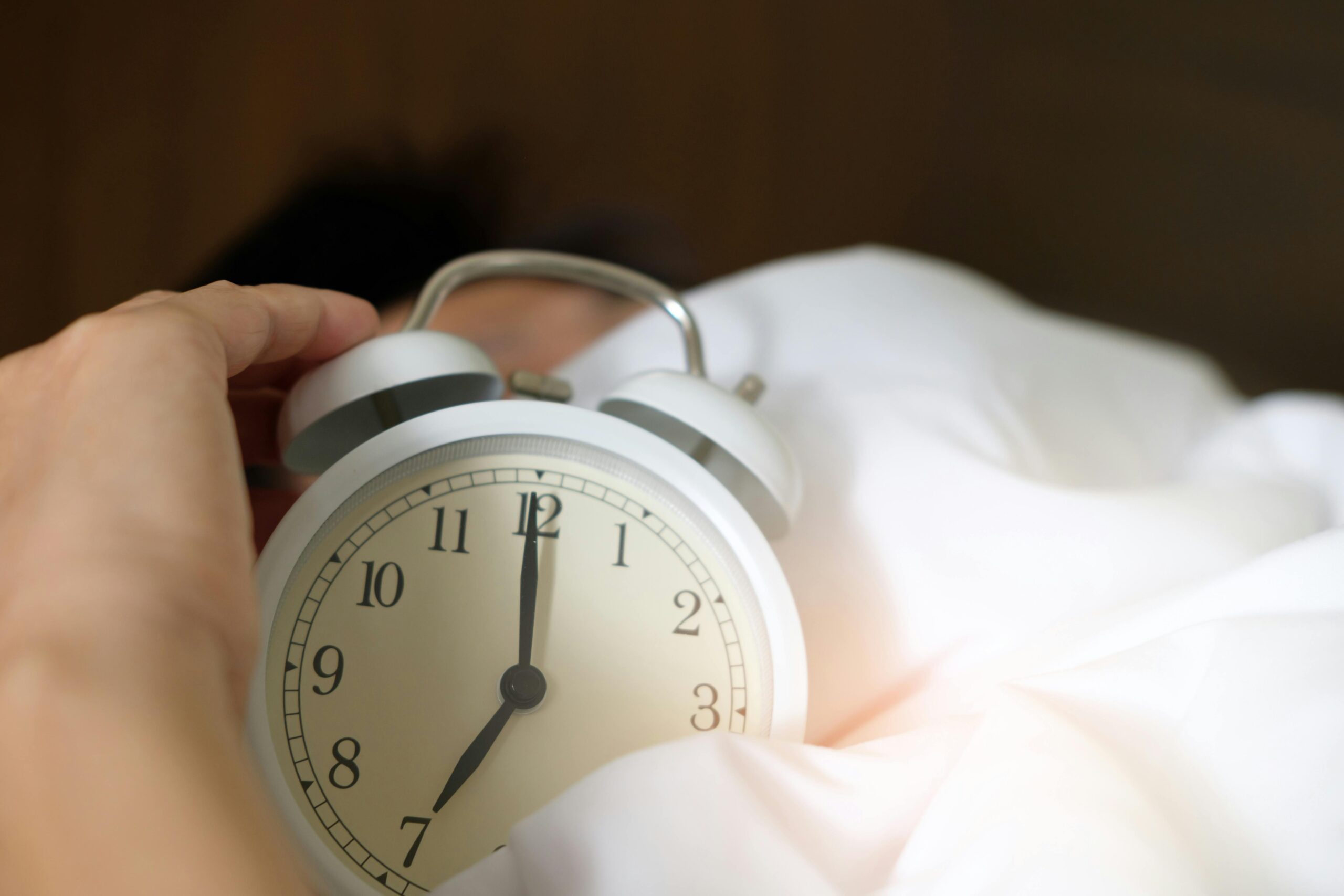
Waking up tired does not always mean lack of sleep. In many cases, it means the body did not recover properly during the night.

People who wake up tired often experience:

  • Heavy or slow feeling in the morning

  • Poor focus during the first hours of the day

  • Low motivation after waking

  • Need for caffeine immediately

Because the reason is not obvious, many people feel confused. Therefore, they search for answers online.


1. Interrupted Sleep Cycles

Sleep happens in cycles. Each cycle helps the body and brain recover. However, when these cycles are interrupted, rest becomes less effective.

For example, brief awakenings during the night may not be remembered. Still, they break deep sleep stages.

Common causes include:

  • Noise during the night

  • Light exposure

  • Phone notifications

  • Restless sleep

As a result, the body wakes up before full recovery.


2. Poor Sleep Environment

The sleep environment affects sleep quality more than many people realize.

For instance, a room that is too bright, too warm, or too noisy can reduce deep sleep.

Problems often include:

  • Excess light from screens or windows

  • Uncomfortable bedding

  • Poor air quality

  • High room temperature

Because of this, sleep may feel long but not refreshing.


3. Irregular Sleep Schedule

Going to bed and waking up at different times confuses the body clock.

Although sleeping late once in a while is normal, frequent changes reduce sleep efficiency.

Irregular schedules may include:

  • Sleeping late on weekends

  • Shifting bedtime often

  • Waking up at different hours

As a result, the body struggles to produce energy in the morning.


4. Evening Screen Exposure

Screens emit blue light. This light affects the brain’s sleep signals.

When screens are used late at night, the brain stays alert longer. Therefore, falling into deep sleep becomes harder.

Common sources include:

  • Phones

  • Tablets

  • Laptops

  • Televisions

Over time, this habit leads to waking up tired, even after enough sleep.


5. Mental Stress Before Bed

Sleep begins in the mind. When thoughts stay active, rest becomes shallow.

Stress before bed may come from:

  • Work concerns

  • Personal worries

  • Overthinking daily events

Because of this, the body remains tense during sleep. As a result, recovery is reduced.


6. Late or Heavy Meals

Eating late can affect sleep quality.

For example, heavy meals close to bedtime force the body to digest instead of rest.

This may lead to:

  • Light sleep

  • Night discomfort

  • Early waking

Therefore, meal timing plays a role in morning energy.


7. Dehydration During the Night

Hydration affects sleep more than expected.

Mild dehydration can cause:

  • Dry mouth

  • Head discomfort

  • Restless sleep

Because the body loses water overnight, poor hydration during the day may affect morning energy.


8. Lack of Morning Light

Morning light helps reset the body clock.

When people wake up in dark environments, the brain stays in sleep mode longer.

As a result, energy levels remain low in the morning hours.

Simple exposure to natural light can help the body wake up properly.


When Should Waking Up Tired Be a Concern?

Feeling tired in the morning once in a while is normal. However, waking up tired every day for weeks should not be ignored.

Tracking patterns can help, such as:

  • Sleep times

  • Evening habits

  • Stress levels

  • Screen use

Awareness often reveals hidden causes.

For general sleep guidance, organizations like the National Sleep Foundation explain how sleep quality affects daily energy.
(External link example: sleepfoundation.org)


Simple Ways to Improve Morning Energy

Small changes can improve how the body feels after sleep.

For example:

  • Keep the same sleep schedule daily

  • Reduce screen use before bed

  • Create a calm sleep environment

  • Get morning light exposure

  • Stay hydrated during the day

Over time, these habits support better recovery during sleep.


Why This Topic Matters in 2026

Remote work, screen use, and high stress levels continue to rise. Because of this, sleep quality has declined worldwide.

As a result, questions about waking up tired remain among the most searched health topics online.

Understanding daily habits is often the first step toward better energy.

This Is the Longevity Key Most People Ignore

The Longevity Secret We’re All Getting Wrong

For decades, people around the world have searched for the ultimate secret to living a longer, healthier life.

From expensive supplements and extreme diets to intense workout routines and anti-aging treatments, the market for longevity promises has exploded. However, despite all this information, confusion still dominates the conversation around aging.

Long before modern medicine and pharmaceutical solutions existed, humans relied on simple lifestyle habits to maintain health and vitality. Over time, many of those habits were replaced by convenience, speed, and modern comforts. As a result, we may be unknowingly shortening our lifespan—despite having access to more health information than ever before.

So what is the longevity secret most people are getting wrong? Surprisingly, it isn’t one miracle food, a supplement, or a cutting-edge medical procedure. Instead, it’s a fundamental lifestyle principle that science keeps confirming—yet most people continue to ignore.

The Biggest Misconception About Longevity

One of the most common beliefs is that longevity depends primarily on genetics. While genes do play a role, research consistently shows that lifestyle choices have a far greater impact on how long—and how well—we live.

In fact, studies suggest that genetics account for only about 20–30% of lifespan. The remaining 70–80% is shaped by daily habits, environment, and behavior. Despite this evidence, many people still assume that aging is unavoidable and largely out of their control.

Because of this misconception, people focus on quick fixes instead of long-term, sustainable habits. Consequently, the true drivers of longevity are often overlooked.

The Longevity Key We Overlook: Consistency, Not Extremes

The biggest mistake people make is believing that longevity comes from extreme actions—extreme diets, extreme exercise, or extreme discipline. However, research from longevity hotspots around the world tells a very different story.

In regions known as Blue Zones—areas where people live significantly longer than average—longevity is driven by consistency, simplicity, and balance. These communities do not rely on supplements or rigid health rules. Instead, they follow modest, repeatable habits every single day.

In other words, it’s not what you do once in a while that matters most—it’s what you do consistently over decades.

Why Modern Lifestyles Are Working Against Us

Modern life prioritizes speed and efficiency. Food is processed, schedules are packed, and stress levels remain constantly high. As a result, the body rarely enters a state of recovery, which is essential for long-term health.

Moreover, many people sit for long periods, sleep irregularly, and eat without awareness. Although these habits seem harmless in the short term, their cumulative effect accelerates aging and increases the risk of chronic disease.

Therefore, longevity is not about adding more to your routine—it’s about removing what slowly harms you.

Stress: The Silent Lifespan Killer

One of the most overlooked longevity factors is chronic stress. While short-term stress can be useful, long-term stress keeps the body in a constant “fight or flight” mode.

As a consequence, inflammation increases, immunity weakens, and cellular aging accelerates. Studies show that people with prolonged stress experience shorter telomeres—the protective caps on DNA that are strongly linked to lifespan.

In contrast, people who manage stress through routine, social connection, and purpose tend to live longer and healthier lives.

The Role of Purpose in Longevity

Another factor that science consistently highlights is purpose. People who wake up with a reason to start the day—whether it’s family, work, community, or personal passion—tend to live longer.

Interestingly, this effect remains strong even when controlling for diet, exercise, and income. Purpose reduces stress, supports mental health, and encourages healthier behaviors over time.

Therefore, longevity isn’t only physical—it’s deeply psychological.

Movement Matters—But Not the Way You Think

Many people believe they need intense workouts to stay healthy. However, longevity research suggests otherwise. In long-living populations, movement is natural and continuous, not forced or extreme.

People walk, garden, clean, and remain active throughout the day. As a result, their bodies stay strong without excessive strain or injury.

Simply put, regular movement integrated into daily life is far more effective than occasional intense exercise.

Diet: Simplicity Over Superfoods

Another common mistake is chasing the latest superfood trend. While nutrition is undeniably important, longevity is not built on exotic ingredients.

Instead, long-living populations eat simple, mostly plant-based diets, rich in whole foods and low in processed sugar. More importantly, they eat mindfully and stop before feeling full.

Consequently, calorie moderation—without strict restriction—plays a major role in slowing aging and reducing disease risk.

Sleep: The Foundation of Long Life

Sleep is often sacrificed in modern society, yet it is one of the strongest predictors of longevity. Without adequate sleep, the body cannot repair cells, regulate hormones, or maintain immune function.

Research shows that consistent sleep patterns are more important than sleep duration alone. In other words, going to bed and waking up at similar times every day supports long-term health.

Social Connection and Longevity

Humans are social beings, and isolation has been shown to increase mortality risk. In fact, loneliness is now considered as harmful as smoking or obesity.

People who maintain strong social ties experience lower stress, better mental health, and longer lifespans. Therefore, investing in relationships may be one of the most powerful longevity strategies available.

Why Technology Can’t Replace Healthy Habits

Although medical technology continues to advance, it cannot fully compensate for unhealthy lifestyles. Supplements may help, and medicine can treat disease, but neither can undo years of poor habits.

As science increasingly shows, prevention is far more powerful than treatment when it comes to longevity.

The Real Longevity Formula

When all the evidence is combined, the longevity secret becomes clear:

  • Consistent daily habits
  • Moderate movement
  • Stress management
  • Quality sleep
  • Simple nutrition
  • Strong social connections
  • A clear sense of purpose

Together, these elements form a lifestyle—not a shortcut.

Why Most People Still Get It Wrong

Despite clear evidence, many people continue to chase shortcuts. This happens because extremes are more marketable than consistency, and quick results are more appealing than slow progress.

Nevertheless, longevity is a long game. Small, repeatable actions performed daily outperform dramatic changes that are impossible to sustain.

The longevity secret we’re all getting wrong is not hidden or complicated. Rather, it is simple, unglamorous, and deeply human.

By focusing on consistency instead of extremes, balance instead of perfection, and long-term habits instead of short-term results, we can dramatically improve both lifespan and quality of life.

Ultimately, living longer is not about doing more—it’s about doing what truly matters, every day.