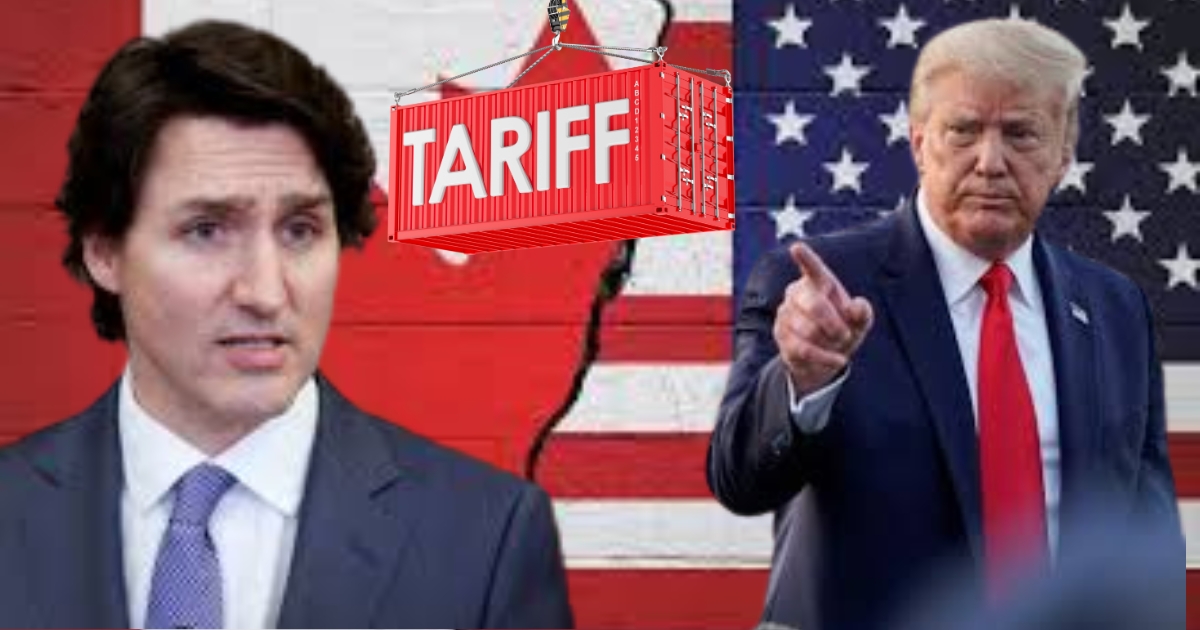
Trump Warns Canada of 100% Tariffs Over China Deal

When Donald Trump speaks about trade, the world listens — and markets react. This time, his words were aimed directly at one of America’s closest allies: Canada. In a sharply worded statement, Trump warned that if Canada proceeds with any major trade agreement with China, the United States could respond with tariffs as high as 100% on Canadian goods.

The remark immediately reignited fears of a renewed global trade war, reminiscent of the turbulent years when tariffs became a central tool of U.S. foreign and economic policy. While Trump is no longer in office, his influence over Republican voters and economic narratives remains strong, making his warning far more than simple rhetoric.

A Warning That Shook Ottawa

Canada has long walked a careful line between maintaining its strategic partnership with the United States and expanding economic ties with China. Beijing is Canada’s second-largest trading partner, while Washington remains by far its most important one. Trump’s warning forces Ottawa into a difficult position: deepen trade with the world’s second-largest economy or risk severe retaliation from its closest ally.

According to Trump, allowing China deeper access to North American markets would “undermine U.S. workers, security, and economic sovereignty.” He argued that Canada, by signing any broad trade pact with Beijing, would effectively become a backdoor for Chinese goods into the United States.

This argument echoes concerns frequently raised by U.S. policymakers across party lines. China’s manufacturing power, state subsidies, and industrial strategy have long been criticized for distorting global markets.
Why China Is at the Center of the Storm

China’s role in global trade has expanded rapidly over the past two decades. For countries like Canada, the Chinese market represents enormous opportunities in agriculture, energy, technology, and raw materials. However, it also comes with political and security concerns.

In recent years, Western governments have grown more cautious about economic dependence on China. Issues ranging from intellectual property theft to national security risks have pushed many countries to reassess their trade relationships.

For Trump, China remains the central economic rival of the United States. During his presidency, he launched an aggressive tariff campaign aimed at reducing the U.S. trade deficit and pressuring Beijing to change its economic practices. That campaign reshaped global supply chains and altered diplomatic relationships worldwide.

For deeper context on U.S.–China trade tensions, see this overview from the Council on Foreign Relations:
👉 https://www.cfr.org/backgrounder/us-china-trade-war

What a 100% Tariff Would Really Mean

A 100% tariff is not a symbolic gesture — it is an economic weapon. Such a move would effectively double the cost of Canadian exports entering the U.S. market. Industries that rely heavily on cross-border trade would feel the impact immediately.

Canada exports billions of dollars’ worth of goods to the United States each year, including automobiles, lumber, aluminum, steel, agricultural products, and energy. Many supply chains are deeply integrated, meaning tariffs would hurt both sides of the border.

Economists warn that such extreme tariffs could lead to job losses, higher consumer prices, and long-term damage to North American economic cooperation. Small and medium-sized businesses, in particular, would struggle to absorb sudden cost increases.

Canada’s Delicate Balancing Act

Canadian leaders have so far avoided confirming any imminent comprehensive trade agreement with China. Instead, officials emphasize a “diversified trade strategy,” aimed at reducing overdependence on any single market.

Still, Trump’s remarks add pressure. Even the possibility of U.S. retaliation could discourage Canadian policymakers from pursuing deeper ties with Beijing.

Canada’s position highlights a broader global dilemma: how to benefit from China’s massive market without triggering backlash from the United States. Many U.S. allies in Europe and Asia face similar challenges.

For insight into how trade diversification affects middle powers, this analysis by Brookings Institution provides valuable context:
👉 https://www.brookings.edu/articles/global-trade-fragmentation-explained/

Political Calculations Behind the Statement

Trump’s warning should also be viewed through a political lens. With U.S. elections approaching, trade and China are once again becoming central campaign issues. Tough talk on China plays well with voters concerned about jobs, manufacturing, and national security.

By targeting Canada, Trump sends a broader message to other U.S. allies: aligning too closely with China could come at a cost. This strategy reinforces his long-standing “America First” approach, which prioritizes domestic economic interests over traditional alliances.

Even outside office, Trump’s ability to shape public debate forces current leaders to respond. Markets, investors, and foreign governments know that his statements often signal future policy directions should he return to power.

Reactions From Markets and Analysts

Financial markets reacted cautiously to Trump’s comments. While no immediate policy change followed, the rhetoric alone was enough to raise concerns among investors.

Analysts note that uncertainty is often more damaging than actual tariffs. Businesses delay investments, supply chains hesitate to expand, and long-term planning becomes difficult.

Trade experts warn that escalating tensions between major economies could accelerate the fragmentation of global trade. Instead of one interconnected system, the world may move toward competing economic blocs — one centered around the U.S. and another around China.

The World Trade Organization has previously cautioned against such fragmentation, noting that it could slow global growth and increase inequality. For more on WTO concerns, see:
👉 https://www.wto.org/english/news_e/news22_e/trdev_30nov22_e.htm

How This Could Affect Everyday Consumers

While trade disputes often sound abstract, their consequences reach everyday life quickly. Tariffs typically lead to higher prices on imported goods, from cars and electronics to food products.

If the U.S. were to impose massive tariffs on Canadian imports, American consumers could see price increases across multiple sectors. At the same time, Canadian producers would face reduced competitiveness, potentially leading to layoffs and reduced investment.

In an already inflation-sensitive environment, policymakers are particularly wary of actions that could drive prices higher.

A Signal to the World

Perhaps the most important aspect of Trump’s warning is the signal it sends globally. It reinforces the idea that economic decisions are no longer purely economic — they are deeply political.

Countries are increasingly forced to choose sides, balancing economic benefits against strategic alliances. For Canada, the decision is especially complex given its geographic proximity and economic integration with the United States.

Whether or not Canada ultimately pursues a trade deal with China, Trump’s statement underscores a new reality: in today’s global economy, neutrality is becoming harder to maintain.

What Happens Next?
For now, Trump’s threat remains hypothetical. No tariffs have been imposed, and no confirmed Canada–China trade agreement has been announced. However, the warning itself may be enough to slow negotiations or reshape diplomatic strategies.

Observers will be watching closely for responses from Canadian officials, reactions from Beijing, and signals from Washington’s current leadership. Each move will carry implications far beyond North America.

One thing is clear: trade wars may not dominate headlines as they once did, but the underlying tensions never truly disappeared. With voices like Trump’s back in the spotlight, the risk of renewed economic confrontation is once again very real.
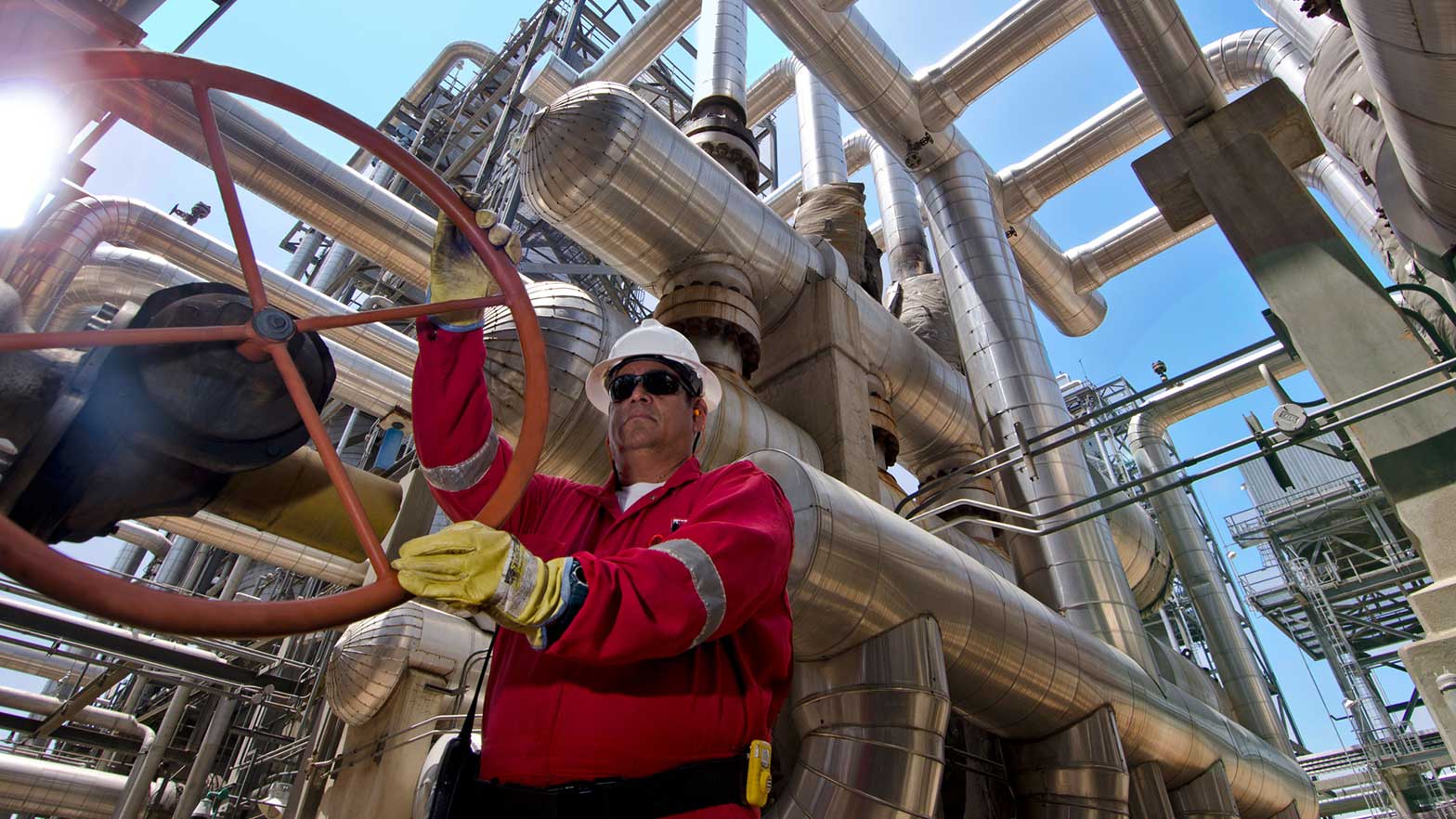
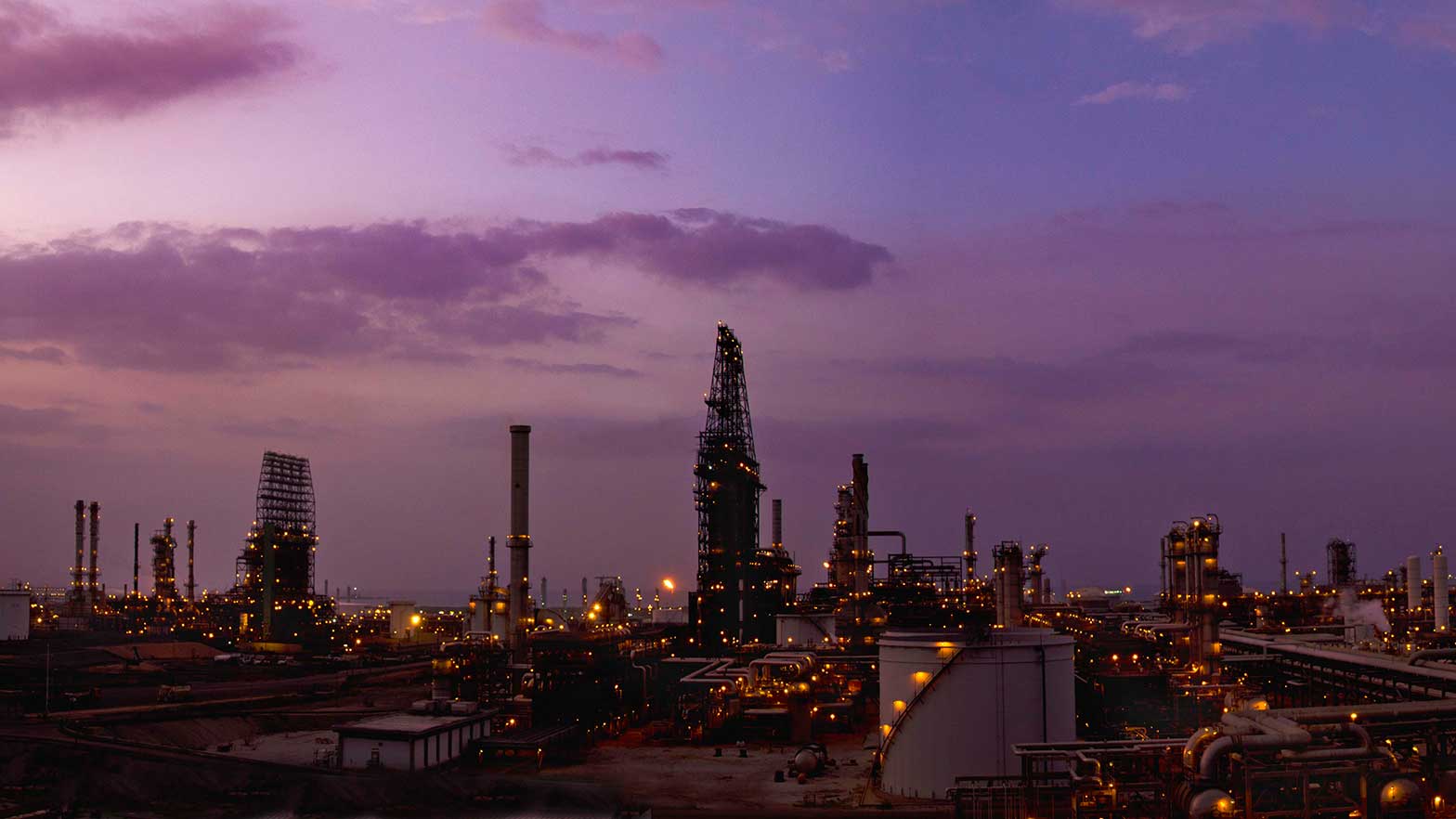
Which U.S. Oil Companies Could Invest in Venezuela?

Trump’s Oil Claim Reignites Global Energy Debate

Former U.S. President Donald Trump has once again placed Venezuela at the center of global energy discussions after claiming that the United States received oil worth $4 billion from the South American nation.

Speaking during a high-level meeting with American oil executives, Trump framed the move as part of a broader effort to reclaim U.S. influence over strategic energy assets and stabilize global oil markets.

The statement immediately sparked intense debate among analysts, governments, and investors. While some view the claim as a bold signal of renewed U.S. engagement in Venezuela, others question the feasibility, legality, and long-term implications of such a move. At the heart of the discussion lies one critical question: which U.S. oil companies could realistically invest in Venezuela?

https://www.ft.com/content/4c21c031-443e-4834-a7a6-3dd59672b54e?utm_source=chatgpt.com

Understanding this issue requires a closer look at Venezuela’s oil history, the role of American energy giants, and the political and economic risks that continue to surround the country.

Venezuela’s Oil Industry — From Global Giant to Economic Collapse

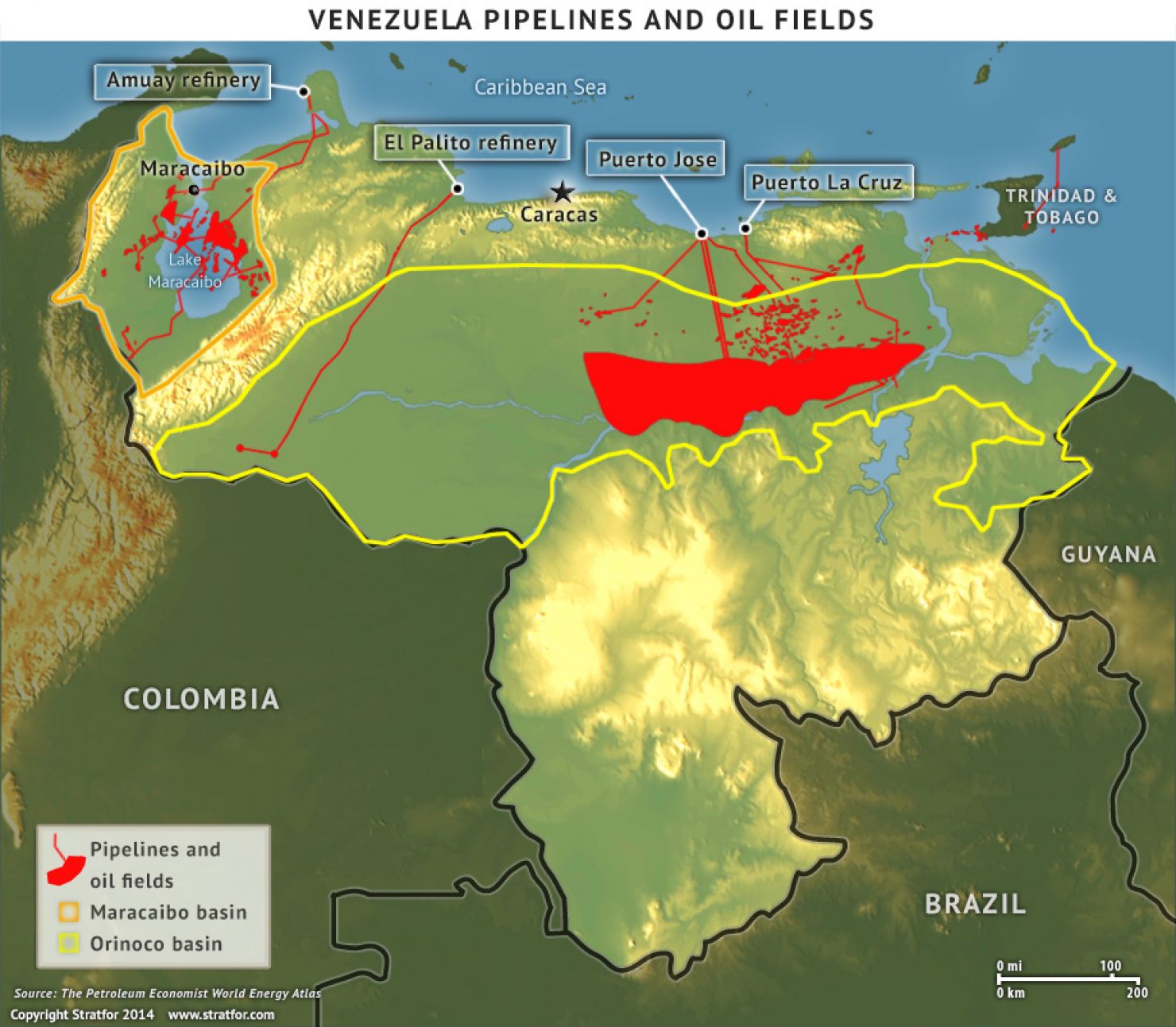
Venezuela holds the largest proven oil reserves in the world, surpassing even Saudi Arabia. For decades, oil revenue powered the country’s economy and funded social programs, infrastructure, and international influence. However, years of mismanagement, corruption, sanctions, and declining investment led to the collapse of production capacity.

Under the leadership of Nicolás Maduro, Venezuela’s state oil company PDVSA struggled to maintain aging facilities, retain skilled workers, and access global capital markets. Production fell from over three million barrels per day to a fraction of that amount, leaving the country economically isolated.

This decline created an opening for potential foreign involvement, particularly from companies with the technical expertise and financial capacity to revive complex oil operations. U.S. firms, once deeply embedded in Venezuela’s energy sector, are now being discussed as possible partners in a future recovery.

Why U.S. Oil Companies Matter in Venezuela

American oil companies possess some of the most advanced extraction, refining, and logistics technologies in the world. Venezuela’s heavy crude oil requires specialized processing techniques that many U.S. refineries are uniquely equipped to handle. This technical compatibility makes U.S. involvement economically attractive, at least in theory.

Trump has repeatedly argued that American companies helped build Venezuela’s oil industry decades ago and therefore have a legitimate claim to participate in its reconstruction. According to this narrative, renewed U.S. investment would benefit both nations by increasing supply, lowering prices, and restoring economic stability.

However, major energy firms operate on long-term risk assessments, not political rhetoric. For them, legal guarantees, contract stability, and regulatory clarity are essential before committing billions of dollars to any project.

Chevron — The Most Likely U.S. Investor

Among all American oil companies, Chevron is widely considered the most likely to expand its presence in Venezuela. Chevron has maintained limited operations in the country even during periods of strict U.S. sanctions, operating under special licenses that allowed it to export Venezuelan crude to the United States.

The company has decades of experience working with PDVSA and already understands the technical and political landscape. This existing footprint gives Chevron a strategic advantage over competitors that exited Venezuela entirely following nationalizations and legal disputes.

If sanctions are further relaxed or restructured, Chevron could scale up production relatively quickly. Analysts believe it would focus on restoring output from existing joint ventures rather than launching entirely new projects, minimizing upfront risk.

ExxonMobil — Cautious but Influential

ExxonMobil is another major U.S. energy giant frequently mentioned in discussions about Venezuela’s future. However, ExxonMobil’s relationship with the country is far more complicated. The company lost significant assets during Venezuela’s wave of nationalizations and later pursued international arbitration claims.

Executives at ExxonMobil have previously described Venezuela as “uninvestable” without sweeping legal reforms. Despite this stance, the company’s technical capabilities and global influence mean it cannot be ignored in any serious conversation about reviving Venezuelan oil production.

If a new framework emerges that guarantees asset protection and contract enforcement, ExxonMobil could reconsider its position. Until then, its involvement is more likely to remain indirect, through advisory roles or limited partnerships.

ConocoPhillips — Tied by History and Arbitration

ConocoPhillips also has deep historical ties to Venezuela. Like ExxonMobil, it lost assets during nationalization and later won arbitration awards against the Venezuelan state. These unresolved financial disputes complicate any immediate return to the country.

ConocoPhillips still holds deep technical knowledge of Venezuelan oil fields and could re-enter the country if unresolved claims are settled through broader negotiations. Analysts say any investment would likely be tied to debt restructuring or compensation deals, allowing the company to recover losses while supporting a gradual recovery in oil production.

Such arrangements would require strong political backing and international mediation, making them complex but not impossible.

Refiners and Service Companies — The Supporting Cast

Beyond the major producers, several U.S. refining and oil service companies could benefit from renewed Venezuelan output. Firms such as Valero, Marathon Petroleum, and Halliburton may not directly invest in oil fields but could play crucial roles in refining, logistics, and technical support.

Venezuelan crude is particularly well-suited for certain U.S. Gulf Coast refineries designed to process heavy oil. Increased supply could improve refinery margins and stabilize fuel prices in the United States.

Oil service companies, meanwhile, could provide drilling equipment, maintenance services, and engineering expertise needed to restart dormant fields. These firms often enter markets earlier than producers, positioning themselves for long-term contracts.

Despite Trump’s optimistic claims, significant obstacles remain. Venezuela’s legal system lacks transparency, and past contract breaches have left foreign investors wary. Any large-scale investment would require ironclad legal protections recognized by international courts.

Sanctions also remain a key issue. While limited licenses exist, full normalization would require political agreements that go beyond the energy sector. Changes in U.S. leadership or policy priorities could quickly reverse current arrangements, adding another layer of uncertainty.

For energy companies accustomed to planning projects decades in advance, this instability represents a major deterrent.

If U.S. companies succeed in restoring Venezuelan production, the effects could be felt worldwide. An increase of even one million barrels per day would significantly alter global supply dynamics, potentially lowering prices and reducing the influence of other major producers.

https://www.reuters.com/business/energy/white-house-gathers-oil-majors-traders-drillers-venezuela-2026-01-09/?utm_source=chatgpt.com

Such a shift could weaken OPEC’s pricing power and provide consuming nations with greater energy security. For the United States, access to nearby heavy crude could reduce reliance on distant suppliers and stabilize domestic fuel markets.

However, analysts caution that rebuilding Venezuela’s industry could take years, even under ideal conditions. Infrastructure damage, workforce shortages, and environmental risks cannot be resolved overnight.

What Comes Next for U.S. Companies and Venezuela

For now, Trump’s statements appear to be more of a strategic signal than a confirmation of completed deals. Oil companies are closely monitoring political developments, regulatory changes, and market signals before committing resources.

Chevron remains best positioned to expand, while ExxonMobil and ConocoPhillips wait for stronger guarantees. Refiners and service companies stand ready to move if conditions improve.

https://www.reuters.com/business/energy/us-oil-companies-say-they-need-guarantees-invest-venezuela-ft-reports-2026-01-08/?utm_source=chatgpt.com

Whether this moment marks the beginning of Venezuela’s return to the global oil stage or another chapter of unfulfilled promises will depend on actions taken in the months ahead.

Conclusion — Opportunity Meets Uncertainty

Venezuela’s vast oil reserves represent both an enormous opportunity and a profound risk. U.S. oil companies have the expertise to revive production, but only if political stability, legal certainty, and economic reforms follow.

Trump’s bold claims have reignited interest and speculation, but the path from rhetoric to reality remains uncertain. For investors, governments, and consumers alike, the future of Venezuelan oil will be a story to watch closely — one that could reshape global energy markets for years to come.

🔗: https://sumlera.com/trump-says-us-received-4b-in-venezuelan-oil/

Trump says US received $4B in Venezuelan oil.

Trump Claims Venezuela Gave the US $4 Billion in Oil — What Happens Next

Trump’s Statement That Shook the Energy World

During a high-profile meeting with top executives from major American oil companies, Donald Trump made a striking claim: the United States had received Venezuelan oil worth approximately $4 billion, equivalent to 30 million barrels, in a single day. The statement immediately drew global attention, not only because of its sheer scale, but also because of its geopolitical implications.

 🔗: https://www.bbc.com/news/articles/c4grxzxjjd8o

Trump framed the claim as part of a broader effort to put “America First” in global energy markets. According to his remarks, the oil transfer would primarily benefit the United States while also providing limited financial relief to Venezuela. The comments sparked intense debate among economists, diplomats, and energy analysts worldwide.

While no official documentation was presented during the meeting, Trump insisted that the arrangement marked the beginning of a long-term strategy involving Venezuelan crude, US refining capacity, and global oil supply chains.

The Context — Venezuela’s Oil Industry in Crisis

Venezuela sits atop the largest proven oil reserves in the world, yet its energy sector has been crippled for years by mismanagement, sanctions, and underinvestment. Once a global powerhouse capable of producing more than three million barrels per day, the country’s output has fallen dramatically.

Under the leadership of Nicolás Maduro, Venezuela’s state-run oil company PDVSA struggled with aging infrastructure, technical brain drain, and limited access to international capital. US sanctions further isolated the country from global markets, sharply restricting its ability to sell crude oil freely.

Trump’s claim suggests a dramatic shift away from this status quo, raising questions about whether sanctions were eased, bypassed, or restructured in ways not yet fully disclosed.

How Could a $4 Billion Oil Transfer Work?

Energy experts note that 30 million barrels of oil roughly aligns with Trump’s stated valuation, depending on global crude prices and oil quality. Such a volume, however, would normally require extensive logistics, contracts, shipping capacity, and refining agreements.

Trump asserted that the United States helped build Venezuela’s oil industry decades ago and is now “taking back what was taken.” This rhetoric suggests a political narrative rather than a traditional commercial transaction. Analysts stress that moving such a quantity of oil would typically take weeks, not days, under standard market conditions.

The lack of clarity has fueled speculation about whether the claim refers to:

  • A future supply agreement,

  • Oil already allocated for US companies, or

  • A theoretical market value rather than a completed delivery.

Immediate Impact on Global Oil Markets

Even the perception of additional oil entering the US market can influence prices. Following Trump’s remarks, traders closely watched crude benchmarks for signs of volatility. A sustained flow of Venezuelan oil into US refineries could increase supply and place downward pressure on fuel prices, especially gasoline and diesel.

However, analysts caution that the global oil market is complex. Factors such as OPEC+ production limits, Middle East tensions, and demand fluctuations in Asia could easily outweigh the effects of Venezuelan crude re-entering the market.

If the US were granted long-term access to Venezuelan oil, it could reshape global energy trade routes and weaken the leverage of other major exporters.

US Oil Companies and Their Role

Trump’s meeting reportedly included leaders from some of the largest US energy firms, including Chevron, ExxonMobil, and ConocoPhillips. These companies have historical ties to Venezuela and possess the technical expertise required to revive production.

Yet executives have long described Venezuela as “high-risk” due to legal uncertainty and past nationalizations. Without clear property rights, profit-sharing rules, and political stability, large-scale investment remains unlikely.

Trump suggested that American companies could help rebuild Venezuela’s oil infrastructure rapidly, unlocking millions of barrels per day for global markets. Industry insiders remain cautious, emphasizing that rebuilding could take years and tens of billions of dollars.

Legal and Diplomatic Questions

One of the biggest uncertainties surrounding Trump’s claim involves international law. Venezuela is a sovereign nation, and its oil resources are legally owned by the state. Any large-scale transfer of oil to another country would normally require transparent agreements recognized by international institutions.

Diplomats warn that unilateral claims could escalate tensions in Latin America and beyond. Countries such as China and Russia, both with significant interests in Venezuela, may view expanded US involvement as a strategic threat.

Human rights organizations have also raised concerns that oil revenues might bypass the Venezuelan population, doing little to improve living conditions on the ground.

What This Means for the United States

From a US perspective, access to Venezuelan oil could:

  • Strengthen energy security,

  • Reduce dependence on Middle Eastern suppliers,

  • Support domestic refining and fuel stability.

Trump portrayed the move as a win for American workers and consumers, arguing that cheaper energy would boost the economy. However, critics argue that political uncertainty could undermine any short-term benefits.

If no formal agreements materialize, the claim may remain symbolic rather than transformative.

Reactions From Venezuela and Abroad

Official reactions from Caracas were muted, with no immediate confirmation matching Trump’s figures. Regional governments in Latin America expressed caution, emphasizing the importance of respecting national sovereignty.

European allies also sought clarification, noting that changes to Venezuelan oil flows could affect global supply balances and sanctions frameworks.

International observers stress that without transparent documentation, it is impossible to verify whether oil worth $4 billion has actually changed hands.

Is This the Start of a New Energy Era?

Trump also claimed that Venezuela had agreed to allow the US to begin refining and selling up to 50 million barrels of crude immediately, with no defined end date. If accurate, such an arrangement would mark one of the most significant shifts in global energy politics in decades.

🔗:https://www.siasat.com/trump-outlines-us-led-revival-of-venezuela-oil-sector-3323587/

Yet experts emphasize that oil diplomacy rarely moves this fast. Infrastructure constraints, legal barriers, and geopolitical resistance could all slow or block implementation.

For now, the claim stands as a bold statement with potentially far-reaching consequences — but many unanswered questions.

What Comes Next?

In the coming weeks, markets will look for concrete evidence: shipping data, refinery inputs, official contracts, or policy announcements. Without these, skepticism will remain high.

Whether Trump’s declaration represents a real transfer of oil or a political signal aimed at reshaping negotiations, it has already reignited global debate about Venezuela’s resources and America’s role in the energy future.

One thing is certain: if Venezuelan oil truly begins flowing to the United States at scale, the ripple effects will be felt far beyond Washington and Caracas.

Why NATO Officials Warn the U.S. in 2026 About Greenland

NATO Official Issues Stark Warning to the U.S. Over Greenland

Tensions between the United States and Europe have escalated after a senior NATO-linked official issued a dramatic warning regarding Greenland. Amid renewed speculation that former U.S. President Donald Trump could pursue control over the Arctic island, even through military means, concerns are growing about a potential fracture within the transatlantic alliance.

The warning comes at a sensitive moment for NATO, as geopolitical competition in the Arctic intensifies and global security dynamics shift rapidly heading into 2026.

NATO Expansion Committee Chair Responds to Greenland Claims

🔗Europeans should act on Greenland issue — Le Monde
https://www.lemonde.fr/en/opinion/article/2026/01/09/instead-of-commenting-on-the-unthinkable-europeans-should-take-action-in-greenland_6749234_23.html

Gunther Fehlinger, Chairman of the NATO Expansion Committee in Austria, delivered a sharp message to Washington in response to online claims suggesting that the United States might consider annexing Greenland. His remarks were shared widely on social media and quickly sparked international debate.

Fehlinger warned that any attempt by the U.S. to seize Greenland would lead to immediate and severe consequences, including the confiscation of American military bases across Europe. According to him, such a move would fundamentally alter the balance of power established since World War II.

“If You Take Greenland, You Must Leave Europe”

https://komonews.com/news/nation-world/europe-on-edge-as-white-house-doesnt-rule-out-military-force-to-acquire-greenland-denmark-europe-nato-military-national-security-critical-minerals

In a video published online, Fehlinger stated that if the U.S. were to annex Greenland, European nations would respond decisively. He claimed that all American military installations across the continent would be taken over, forcing U.S. forces to withdraw entirely from Europe.

He specifically referenced major bases stretching from southern Europe to Central and Eastern Europe, arguing that the United States would lose the strategic positions that have underpinned its global influence for decades.

The Strategic Importance of U.S. Bases in Europe

American military bases in Europe have long been considered a cornerstone of Western security. Facilities in Italy, Germany, Romania, and other NATO member states play a critical role in deterrence, logistics, and rapid response operations.

Analysts warn that losing access to these bases would severely weaken Washington’s ability to project power beyond North America. It would also reshape Europe’s security architecture, forcing EU nations to accelerate plans for military autonomy.

Social Media Video Goes Viral on X and Reddit

https://apnews.com/article/2b12bb104faaaafda2ed270febfb0522

Fehlinger’s video rapidly circulated on X and Reddit, drawing millions of views and sparking polarized reactions. Supporters praised the firm stance, while critics questioned whether the remarks reflected official NATO policy or personal opinion.

The viral spread of the video highlights how geopolitical messaging increasingly unfolds online, often blurring the line between official diplomacy and political signaling.

Response to Provocative Pro-Trump Post

The Austrian politician was responding in part to a post shared by MAGA-aligned podcaster Katie Miller. She posted an image of Greenland overlaid with the U.S. flag, accompanied by the caption “Coming soon,” a message widely interpreted as provocative.

Fehlinger addressed Miller directly, insisting that Europe could defend itself independently. He emphasized that European nations no longer rely solely on American nuclear protection or U.S. troops stationed on the continent.

Europe’s Growing Push for Strategic Autonomy

Fehlinger’s comments reflect a broader trend within Europe toward strategic independence. In recent years, several European leaders have argued that the continent must be capable of defending itself without total reliance on U.S. military power.

Initiatives focused on joint defense procurement, increased military spending, and rapid reaction forces have gained momentum, particularly amid uncertainty over future U.S. foreign policy direction.

Greenland’s Rising Geopolitical Value

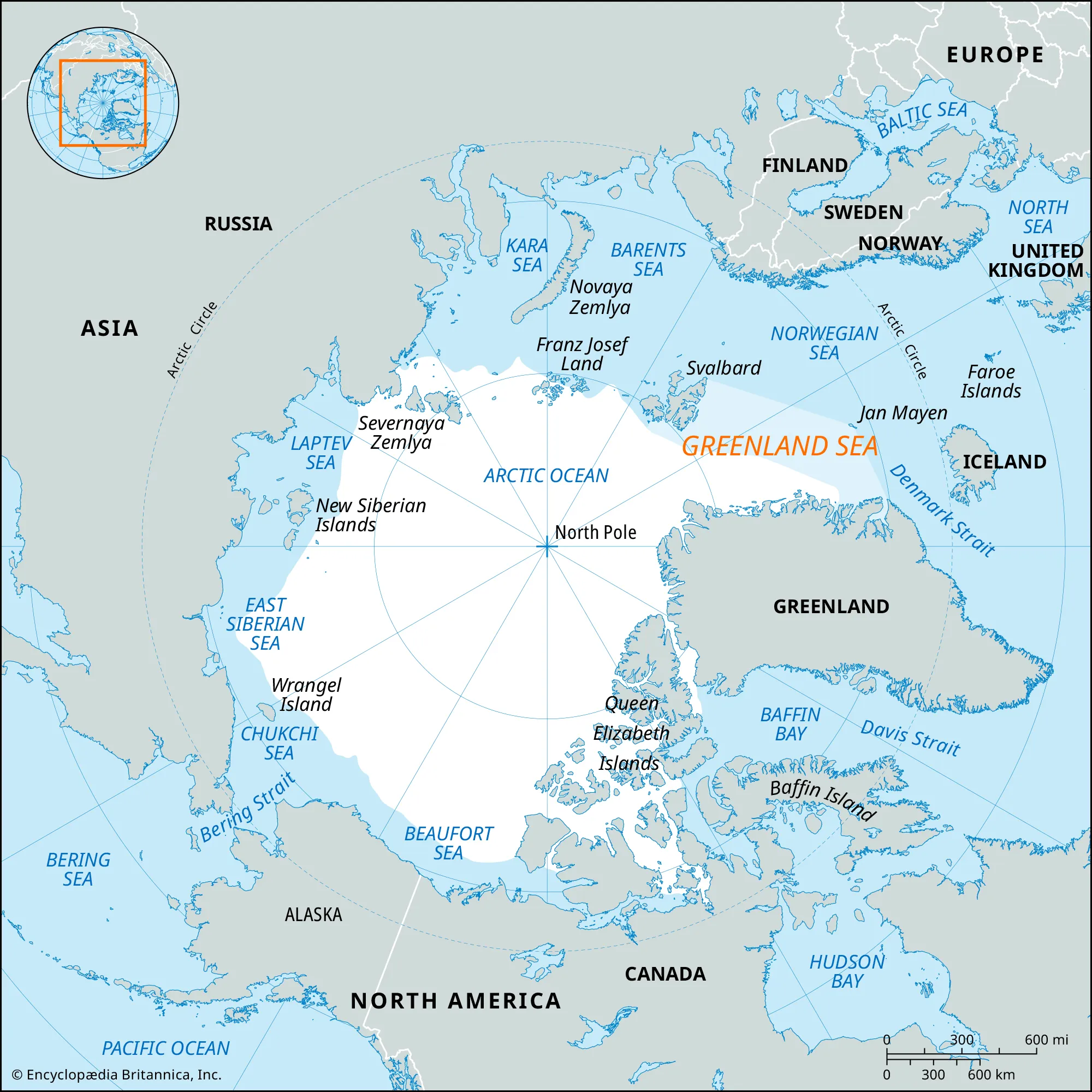
Greenland has become increasingly important due to its strategic Arctic location, rare earth resources, and proximity to emerging polar shipping routes. As climate change accelerates ice melt, the island’s economic and military significance has grown substantially.

Experts note that control over Greenland would provide unmatched strategic leverage in the Arctic, a region now central to competition between global powers including Russia, China, and the United States.

Could a Greenland Move Break NATO?

Several European officials have warned that any unilateral U.S. move to take Greenland could trigger a crisis within NATO. Such an action would violate the principles of alliance consensus and respect for sovereignty that underpin the organization.

Some analysts argue that this scenario could even lead to the fragmentation of NATO, reshaping global security alliances and weakening Western unity at a time of increasing global instability.

International Reactions and Expert Warnings

Security experts quoted by major international outlets caution that the rhetoric surrounding Greenland must be taken seriously. Even if symbolic, such statements can escalate tensions and provoke miscalculations among allies.

They warn that political posturing ahead of the 2026 election cycle could intensify, making Greenland a flashpoint in a broader struggle over Arctic dominance and transatlantic leadership.

What This Means for the U.S.–Europe Relationship

The controversy underscores growing uncertainty about the future of U.S.–European relations. Trust built over decades could erode quickly if allies perceive Washington as acting unilaterally or disregarding European security concerns.

For Europe, the message is clear: prepare for a future where American guarantees may no longer be unconditional. For the U.S., the warning serves as a reminder that alliances are based on cooperation, not coercion.

Conclusion: A Warning That Resonates Beyond Greenland

Gunther Fehlinger’s warning may not represent official NATO policy, but it has resonated across Europe and beyond. The Greenland debate has become a symbol of deeper anxieties about power, sovereignty, and the future of Western alliances.

🔗: https://sumlera.com/what-trumps-greenland-idea-really-was-a-100k-offer/

As 2026 approaches, geopolitical observers agree on one thing: decisions made around Greenland could have consequences far beyond the Arctic, potentially redefining the global balance of power for years to come.