
Why Do I Wake Up Tired After 8 Hours of Sleep?

Why Do I Wake Up Tired Even After 8 Hours of Sleep?

Many people sleep seven or eight hours each night. However, they still wake up feeling tired. As a result, this question has become one of the most searched health topics online.

In 2026, interest in sleep-related fatigue continues to rise. People want to know why rest does not always bring energy. Although sleep time matters, sleep quality and daily habits often play a bigger role.

This article explains why waking up tired is so common. The focus is on awareness and lifestyle factors, not medical diagnosis or treatment.
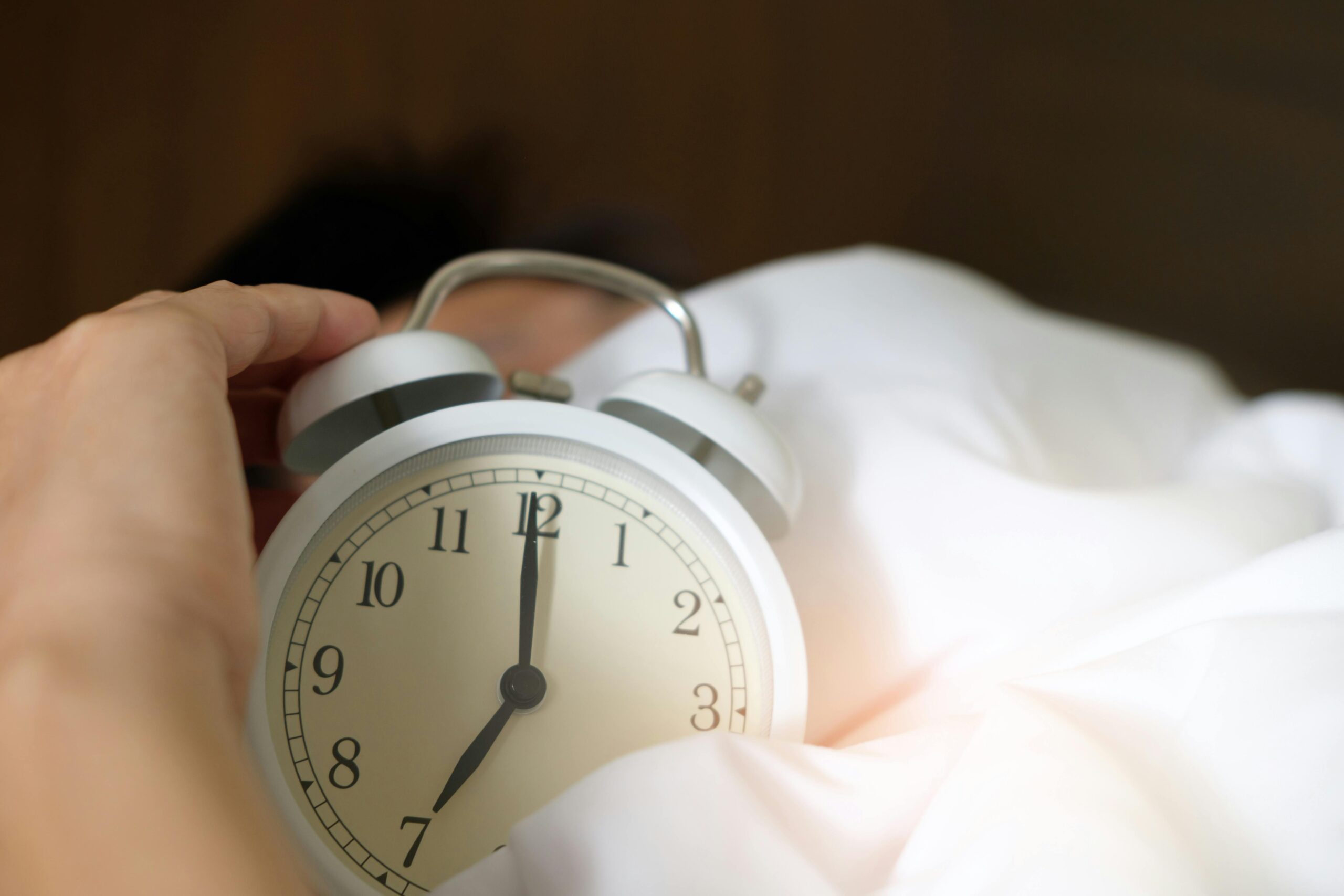

What Does โ€œWaking Up Tiredโ€ Really Mean?

Waking up tired does not always mean lack of sleep. In many cases, it means the body did not recover properly during the night.

People who wake up tired often experience:

  • Heavy or slow feeling in the morning

  • Poor focus during the first hours of the day

  • Low motivation after waking

  • Need for caffeine immediately

Because the reason is not obvious, many people feel confused. Therefore, they search for answers online.


1. Interrupted Sleep Cycles

Sleep happens in cycles. Each cycle helps the body and brain recover. However, when these cycles are interrupted, rest becomes less effective.

For example, brief awakenings during the night may not be remembered. Still, they break deep sleep stages.

Common causes include:

  • Noise during the night

  • Light exposure

  • Phone notifications

  • Restless sleep

As a result, the body wakes up before full recovery.


2. Poor Sleep Environment

The sleep environment affects sleep quality more than many people realize.

For instance, a room that is too bright, too warm, or too noisy can reduce deep sleep.

Problems often include:

  • Excess light from screens or windows

  • Uncomfortable bedding

  • Poor air quality

  • High room temperature

Because of this, sleep may feel long but not refreshing.


3. Irregular Sleep Schedule

Going to bed and waking up at different times confuses the body clock.

Although sleeping late once in a while is normal, frequent changes reduce sleep efficiency.

Irregular schedules may include:

  • Sleeping late on weekends

  • Shifting bedtime often

  • Waking up at different hours

As a result, the body struggles to produce energy in the morning.


4. Evening Screen Exposure

Screens emit blue light. This light affects the brainโ€™s sleep signals.

When screens are used late at night, the brain stays alert longer. Therefore, falling into deep sleep becomes harder.

Common sources include:

  • Phones

  • Tablets

  • Laptops

  • Televisions

Over time, this habit leads to waking up tired, even after enough sleep.


5. Mental Stress Before Bed

Sleep begins in the mind. When thoughts stay active, rest becomes shallow.

Stress before bed may come from:

  • Work concerns

  • Personal worries

  • Overthinking daily events

Because of this, the body remains tense during sleep. As a result, recovery is reduced.


6. Late or Heavy Meals

Eating late can affect sleep quality.

For example, heavy meals close to bedtime force the body to digest instead of rest.

This may lead to:

  • Light sleep

  • Night discomfort

  • Early waking

Therefore, meal timing plays a role in morning energy.


7. Dehydration During the Night

Hydration affects sleep more than expected.

Mild dehydration can cause:

  • Dry mouth

  • Head discomfort

  • Restless sleep

Because the body loses water overnight, poor hydration during the day may affect morning energy.


8. Lack of Morning Light

Morning light helps reset the body clock.

When people wake up in dark environments, the brain stays in sleep mode longer.

As a result, energy levels remain low in the morning hours.

Simple exposure to natural light can help the body wake up properly.


When Should Waking Up Tired Be a Concern?

Feeling tired in the morning once in a while is normal. However, waking up tired every day for weeks should not be ignored.

Tracking patterns can help, such as:

  • Sleep times

  • Evening habits

  • Stress levels

  • Screen use

Awareness often reveals hidden causes.

For general sleep guidance, organizations like the National Sleep Foundation explain how sleep quality affects daily energy.
(External link example: sleepfoundation.org)


Simple Ways to Improve Morning Energy

Small changes can improve how the body feels after sleep.

For example:

  • Keep the same sleep schedule daily

  • Reduce screen use before bed

  • Create a calm sleep environment

  • Get morning light exposure

  • Stay hydrated during the day

Over time, these habits support better recovery during sleep.


Why This Topic Matters in 2026

Remote work, screen use, and high stress levels continue to rise. Because of this, sleep quality has declined worldwide.

As a result, questions about waking up tired remain among the most searched health topics online.

Understanding daily habits is often the first step toward better energy.

Always Tired? Hidden Reasons for Low Energy

Why Am I Always Tired? 9 Hidden Reasons Most People Ignore

Many people feel tired every day, even after a full night of sleep. As a result, fatigue has become one of the most searched health topics on Google. In 2026, interest in this question continues to grow across all age groups and lifestyles.

Although occasional tiredness is normal, constant fatigue feels different. People often wake up with low energy, poor focus, and little motivation. Because of this, millions search for answers, hoping to understand what is happening to their bodies.

This article explains the most common and often ignored reasons behind constant fatigue. The information is presented clearly and simply, without medical diagnosis or exaggerated claims. The goal is awareness, not treatment.


What Does Constant Fatigue Really Mean?

Feeling tired once in a while is part of daily life. However, constant fatigue lasts longer and affects daily function. In many cases, it does not go away with rest or sleep.

Constant fatigue often includes:

  • Low energy even after resting

  • Trouble focusing or thinking clearly

  • Feeling physically weak or mentally drained

  • Little interest in daily tasks

Because the cause is not always clear, many people feel confused. As a result, they continue searching for explanations online.


1. Poor Sleep Quality, Not Just Sleep Time

Many people focus on how long they sleep. However, sleep quality matters more than sleep hours.

For example, someone may sleep eight hours but still feel tired. This often happens because sleep cycles are interrupted.

Common sleep disruptors include:

  • Screen use before bed

  • An inconsistent sleep schedule

  • Noise or light during the night

  • Going to bed very late

As a result, the body does not reach deep sleep stages. Over time, this leads to low energy during the day.

You can read more about how rest affects energy in our related article on how sleep quality impacts daily energy levels.
(๐Ÿ”—Link)


2. Blood Sugar Ups and Downs

Energy levels depend strongly on blood sugar balance. When blood sugar rises and falls too fast, fatigue often follows.

This usually happens when:

  • Meals are high in refined carbohydrates

  • Sugary snacks are eaten often

  • Meals are skipped

As a result, people may feel tired, shaky, or mentally foggy. However, many do not connect these feelings to eating habits.

In addition, irregular meals can make energy levels unpredictable throughout the day.


3. Chronic Stress and Mental Overload

Stress does not only affect emotions. It also drains physical energy.

When stress lasts for long periods, the body stays in a constant state of alert. Because of this, energy is used faster than it can be restored.

Long-term stress can:

  • Disrupt sleep patterns

  • Increase muscle tension

  • Reduce mental clarity

Even when stress feels normal, its effects build slowly. Over time, this leads to constant tiredness.


4. Lack of Daily Movement

It may seem surprising, but too little movement often causes fatigue.

When the body stays inactive for long periods, circulation slows down. As a result, less oxygen reaches muscles and the brain.

Sedentary habits can:

  • Lower stamina

  • Reduce energy production

  • Increase feelings of heaviness

However, light movement helps. For example, short walks or gentle stretching can improve energy levels during the day.


5. Mild Dehydration

Many people do not drink enough water. Because of this, mild dehydration is common.

Even small fluid loss can affect the body. For example, dehydration can cause:

  • Headaches

  • Fatigue

  • Poor concentration

By the time thirst appears, dehydration has often already started. Therefore, regular hydration plays an important role in daily energy.


6. Mental Fatigue From Constant Stimulation

Modern life keeps the brain busy at all times. Notifications, screens, and online content demand constant attention.

As a result, the brain becomes tired, even without physical effort.

Mental fatigue often comes from:

  • Frequent phone use

  • Social media scrolling

  • Long screen time without breaks

Because of this, people may feel drained by the end of the day. Taking short breaks helps the brain recover.


7. Nutrient Gaps in Modern Diets

Many modern diets rely on processed foods. However, these foods often lack nutrients that support energy production.

Fatigue may appear when diets are:

  • Low in whole foods

  • High in ultra-processed meals

  • Irregular or unbalanced

This does not mean supplements are always needed. Instead, awareness of food quality is important.

According to the World Health Organization, diet quality plays a key role in overall well-being and energy levels.
(๐Ÿ”—Link)


8. Irregular Daily Routine

The body works best with routine. When daily habits change often, energy levels suffer.

Irregular routines include:

  • Different sleep times each day

  • Skipping meals

  • Working late at night

As a result, internal body clocks become confused. This reduces natural energy production and increases tiredness.


9. Emotional Exhaustion

Emotional stress uses real energy. Even when emotions are not expressed, the body reacts.

Emotional exhaustion may come from:

  • Ongoing worries

  • Social pressure

  • Mental burnout

Over time, emotional load feels like physical fatigue. Therefore, mental well-being is closely linked to energy.


When Should Fatigue Be Taken Seriously?

Feeling tired sometimes is normal. However, fatigue that lasts for weeks or months should not be ignored.

Tracking daily patterns can help identify causes, such as:

  • Sleep habits

  • Diet consistency

  • Stress levels

  • Screen time

Awareness is often the first step toward improvement.

For additional guidance, resources like the National Sleep Foundation explain how long-term fatigue affects daily life.
(https://sumlera.com/early-signs-high-blood-pressure/)


Simple Awareness Tips for Daily Energy

Small habits can support better energy levels.

For example:

  • Keep a consistent sleep schedule

  • Drink water regularly

  • Take short screen breaks

  • Move lightly every day

  • Eat balanced meals

Over time, these habits can make a noticeable difference.


Why This Topic Is Trending in 2026

Several global changes explain why fatigue is so widely searched.

First, remote work has increased screen time. Second, daily stress levels are rising. Finally, sleep quality continues to decline worldwide.

Because of these factors, the question โ€œWhy am I always tired?โ€ remains one of the most searched health topics online.