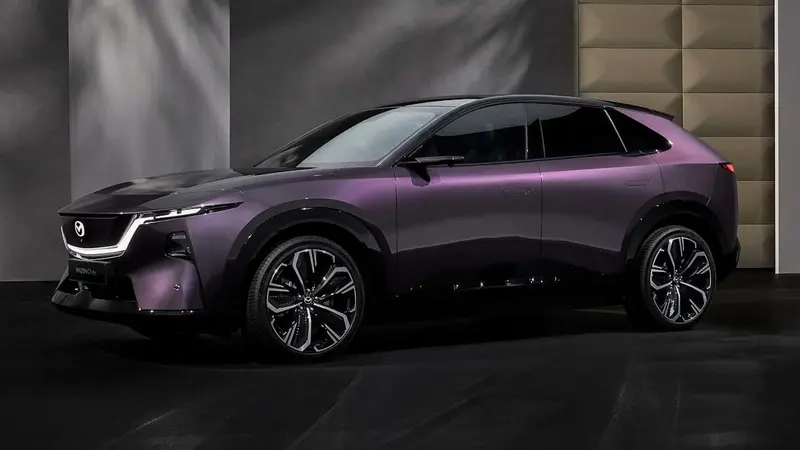
Mazda Launches a New Electric Car for Europe
Mazda has officially launched a new electric car tailored specifically for the European market, marking a significant milestone in the company’s long-term transition toward electrified mobility.

As European governments tighten emissions regulations and consumers increasingly shift toward sustainable transportation, Mazda’s latest electric vehicle represents both a strategic and technological evolution for the brand.
The new model reflects Mazda’s commitment to combining environmental responsibility, engineering precision, and driver-focused design, while adapting to the unique demands of European roads, cities, and driving habits. With this launch, Mazda strengthens its position in a market that has become one of the most competitive and fast-moving EV landscapes in the world.
A Strategic Step in Mazda’s Electrification Journey
Mazda’s decision to introduce a new electric car for Europe is not accidental. Europe has emerged as a global leader in electric vehicle adoption due to a combination of government incentives, expanding charging infrastructure, and growing environmental awareness among consumers.
For Mazda, the European market presents both an opportunity and a challenge. Traditional internal combustion vehicles are being phased out, and manufacturers must adapt quickly to meet regulatory deadlines while maintaining brand identity. This new electric model is a response to that reality, aligning Mazda’s engineering philosophy with the future of mobility.
According to the company, the vehicle forms part of a broader electrification roadmap that includes electric, plug-in hybrid, and hybrid models over the coming years.
Designed Specifically for European Drivers
One of the defining aspects of Mazda’s new electric car is that it was developed with European customers in mind. Unlike global one-size-fits-all models, this vehicle takes into account the specific driving environments found across Europe—from narrow urban streets to high-speed motorways.
Key design priorities include:
-
Compact yet practical dimensions for city driving
-
Efficient energy consumption for shorter daily commutes
-
Comfortable performance for longer intercity travel
-
Compliance with strict EU safety and emissions regulations
Mazda engineers focused heavily on balancing efficiency with driving enjoyment, ensuring that the electric experience still reflects the brand’s reputation for smooth handling and responsive control.
Electric Powertrain and Battery Technology
At the heart of the new electric car is an advanced electric powertrain designed to deliver quiet operation, instant torque, and consistent performance. Mazda emphasized that the vehicle’s electric system was optimized not only for range, but also for long-term durability and reliability.
The battery technology has been developed to support:
-
Faster charging times
-
Stable performance in cold and hot climates
-
Reduced energy loss during daily use
-
Long-term battery health
While Mazda has not positioned the model as a long-range flagship EV, the company instead focused on realistic, everyday usability, which aligns closely with how most European drivers use their vehicles.
More details about Mazda’s electrification strategy can be found on its official European website:
👉 https://www.mazda.eu/en/electric/
Charging and Everyday Practicality
Charging convenience remains a crucial factor for EV adoption, and Mazda has designed its new electric car to integrate seamlessly with Europe’s rapidly expanding charging infrastructure.
The vehicle supports:
-
Home AC charging
-
Public charging stations across Europe
-
Optimized energy management for urban charging cycles
Mazda highlighted that the car is ideal for drivers who primarily commute within cities or suburbs but still require flexibility for longer trips. The charging system is engineered to minimize downtime while maintaining battery longevity.
Interior Design: Minimalism Meets Technology
Inside the cabin, Mazda continues its long-standing design philosophy focused on simplicity, comfort, and driver engagement. The interior avoids unnecessary complexity, instead offering intuitive controls and high-quality materials that create a calm and refined driving environment.
Interior highlights include:
-
Clean dashboard layout
-
Digital displays with essential driving information
-
Advanced connectivity features
-
Comfortable seating optimized for daily use
Rather than overwhelming drivers with excessive screens, Mazda focused on ensuring that technology supports the driving experience instead of distracting from it.
Safety and Driver Assistance Systems
Safety remains a top priority for European buyers, and Mazda has equipped its new electric car with a comprehensive suite of advanced driver-assistance systems (ADAS).
These systems are designed to:
-
Enhance driver awareness
-
Reduce the risk of collisions
-
Improve overall road safety
Features include adaptive cruise control, lane support systems, automatic emergency braking, and intelligent speed assistance—fully compliant with European safety standards.
Performance and Driving Experience
Despite being an electric vehicle, Mazda insists that driving enjoyment remains central to the car’s identity. The instant torque delivered by the electric motor provides smooth acceleration, while the chassis tuning ensures balanced handling.
Mazda engineers paid close attention to:
-
Steering responsiveness
-
Ride comfort
-
Vehicle stability at different speeds
This approach ensures that the electric car feels natural and engaging to drive, even for customers transitioning from traditional combustion engines.
Europe’s Rapidly Growing EV Market
Europe has become one of the world’s most dynamic electric vehicle markets. Countries such as Germany, France, the Netherlands, and the Nordic nations are leading the transition toward electric mobility.
Industry analysts note that European EV sales continue to rise year after year, driven by:
-
Government incentives
-
Expanding charging networks
-
Increasing fuel costs
-
Stronger environmental policies
According to industry coverage from Electrek, Europe remains one of the most competitive regions for electric vehicle development and adoption:
👉 https://electrek.co/guides/electric-vehicles/
Competition in the European EV Segment
Mazda’s new electric car enters a crowded and highly competitive market. European consumers already have access to electric models from both established manufacturers and new entrants.
However, Mazda aims to differentiate itself by offering:
-
A balanced approach to range and efficiency
-
Premium interior quality
-
A focus on driving feel rather than pure specifications
Rather than competing solely on numbers, Mazda positions its EV as a thoughtfully engineered solution for everyday European mobility.
Environmental Impact and Sustainability
Beyond zero tailpipe emissions, Mazda has also focused on reducing the environmental footprint of its production processes. The company continues to invest in sustainable manufacturing practices and aims to lower emissions across the entire vehicle lifecycle.
This includes:
-
More efficient production methods
-
Responsible sourcing of materials
-
Improved battery recycling strategies
Mazda views electrification as part of a broader sustainability mission rather than a standalone solution.
Pricing Expectations and Market Positioning
While final pricing details may vary by country, Mazda has indicated that the new electric car is intended to be competitively priced within its segment. The goal is to make electric mobility accessible without compromising quality or safety.
Pricing strategies will take into account:
-
Local incentives and subsidies
-
Market competition
-
Regional demand
This approach allows Mazda to adapt to different European markets while maintaining a consistent brand image.
Mazda’s Long-Term Vision for Electric Mobility
Mazda has made it clear that this electric model is only the beginning. The company plans to expand its electrified lineup steadily, integrating electric and hybrid technologies across multiple segments.
Future plans include:
-
Additional electric models
-
Expanded hybrid offerings
-
Continued investment in battery technology
Mazda’s strategy emphasizes gradual, sustainable growth rather than rapid expansion at the expense of quality.
Consumer Expectations and Market Reception
Early reactions to Mazda’s new electric car suggest strong interest from European consumers, particularly those seeking a refined and practical EV rather than a technology-heavy showcase model.
Consumers increasingly value:
-
Reliability
-
Real-world efficiency
-
Brand trust
Mazda’s reputation for build quality and thoughtful engineering may play a key role in the model’s success.
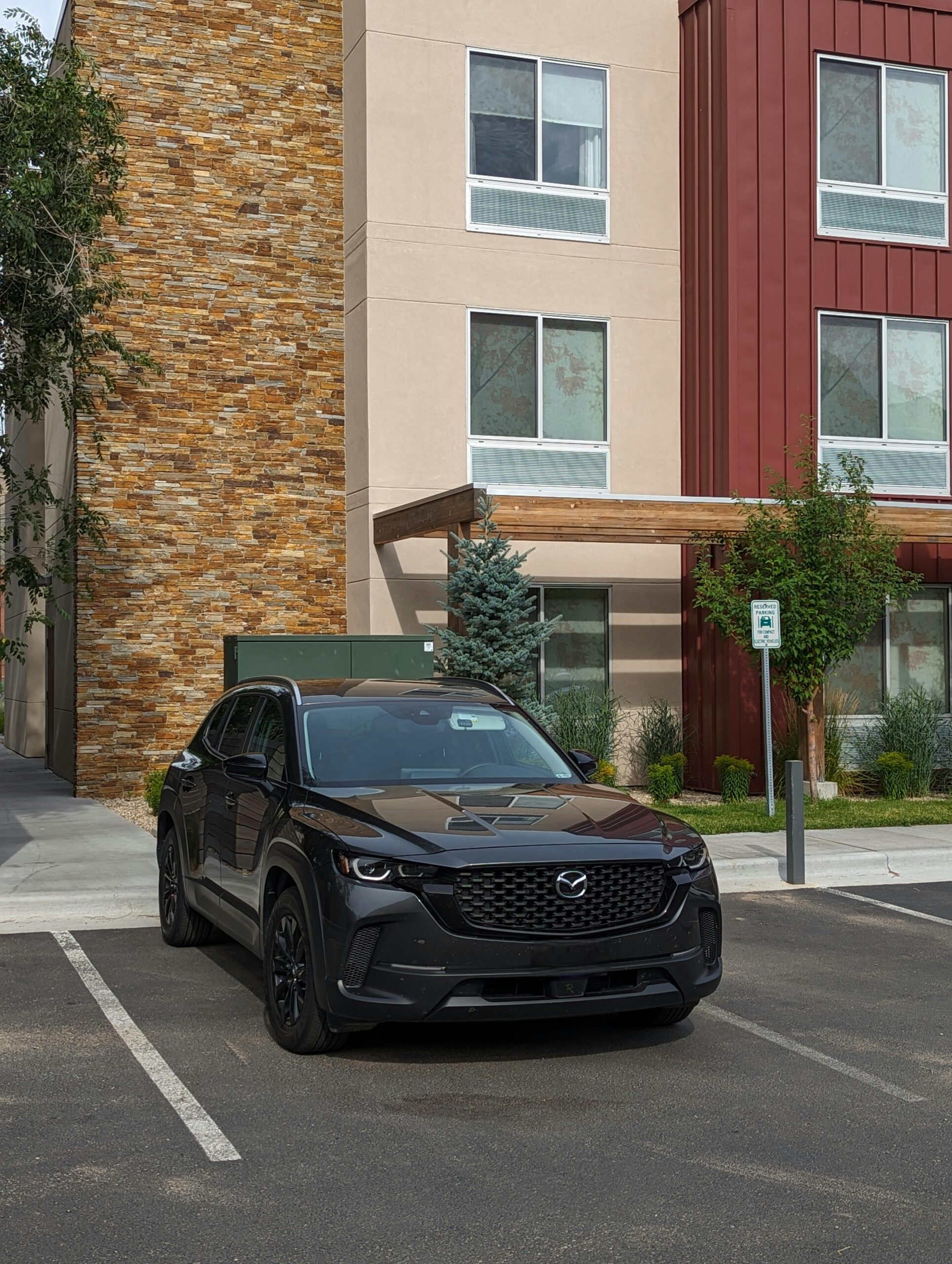
With the launch of its new electric car for Europe, Mazda demonstrates a clear commitment to the future of mobility. By combining electric technology with the brand’s core values of design, performance, and reliability, Mazda offers a compelling option for European drivers navigating the transition to electric vehicles.
- https://sumlera.com/new-habit-spreads-rapidly-across-the-u-s/
- https://sumlera.com/this-simple-change-is-trending-worldwide-right-now/
Rather than chasing extremes, Mazda’s approach focuses on balance, usability, and long-term value—qualities that resonate strongly in today’s evolving automotive landscape.