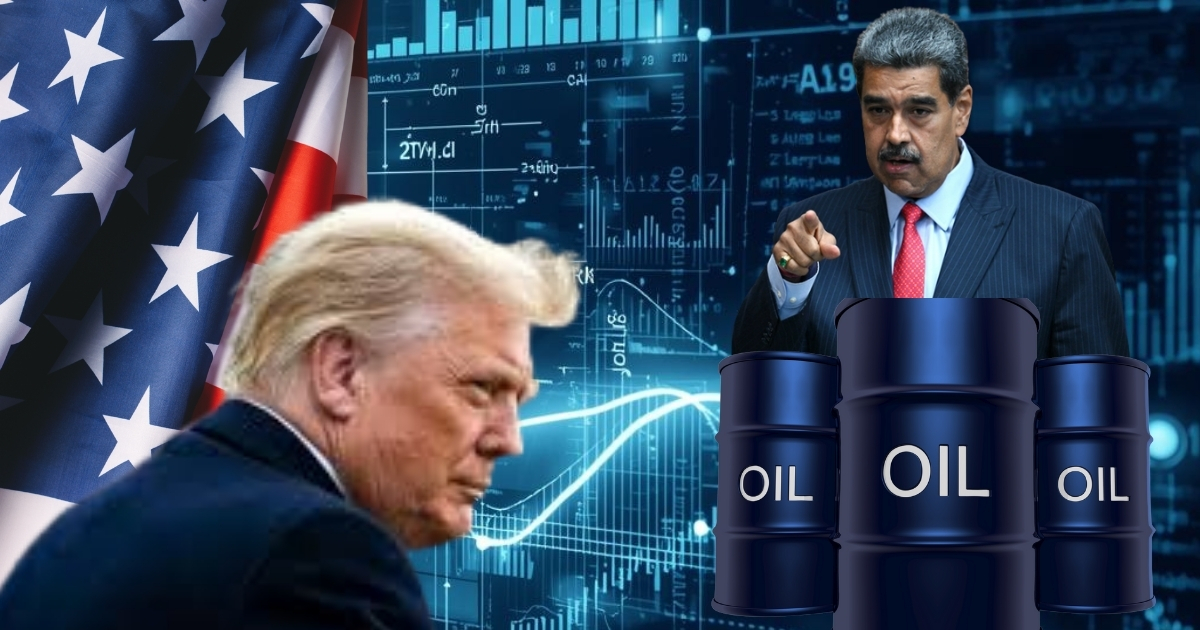
Why Big Oil Is Hesitant About Reviving Venezuela’s Oil
For years, Venezuela has sat on what is officially considered the world’s largest proven oil reserves. In theory, this should make the country a central player in global energy markets. In practice, however, Venezuela’s oil sector has become one of the most troubled in the world. Despite political rhetoric suggesting a potential comeback, major international oil companies remain deeply skeptical.
This skepticism stands in sharp contrast to statements from Donald Trump, who has repeatedly argued that Venezuelan oil could once again play a major role in global markets if political conditions change. Yet for “Big Oil,” the reality on the ground looks far more complicated than political slogans suggest.
Political Rhetoric vs. Corporate Reality
Political leaders often frame oil production as something that can be rapidly restored with the right leadership. From a corporate perspective, however, oil production depends on long-term investments, technical stability, and predictable governance. These conditions have been largely absent in Venezuela for over a decade.
According to analysis referenced by CNN, oil executives are not convinced that a political shift alone would justify a large-scale return to Venezuelan operations. Even if sanctions were eased or lifted, the fundamental challenges facing the industry would remain substantial.
A Sector Hollowed Out by Years of Decline
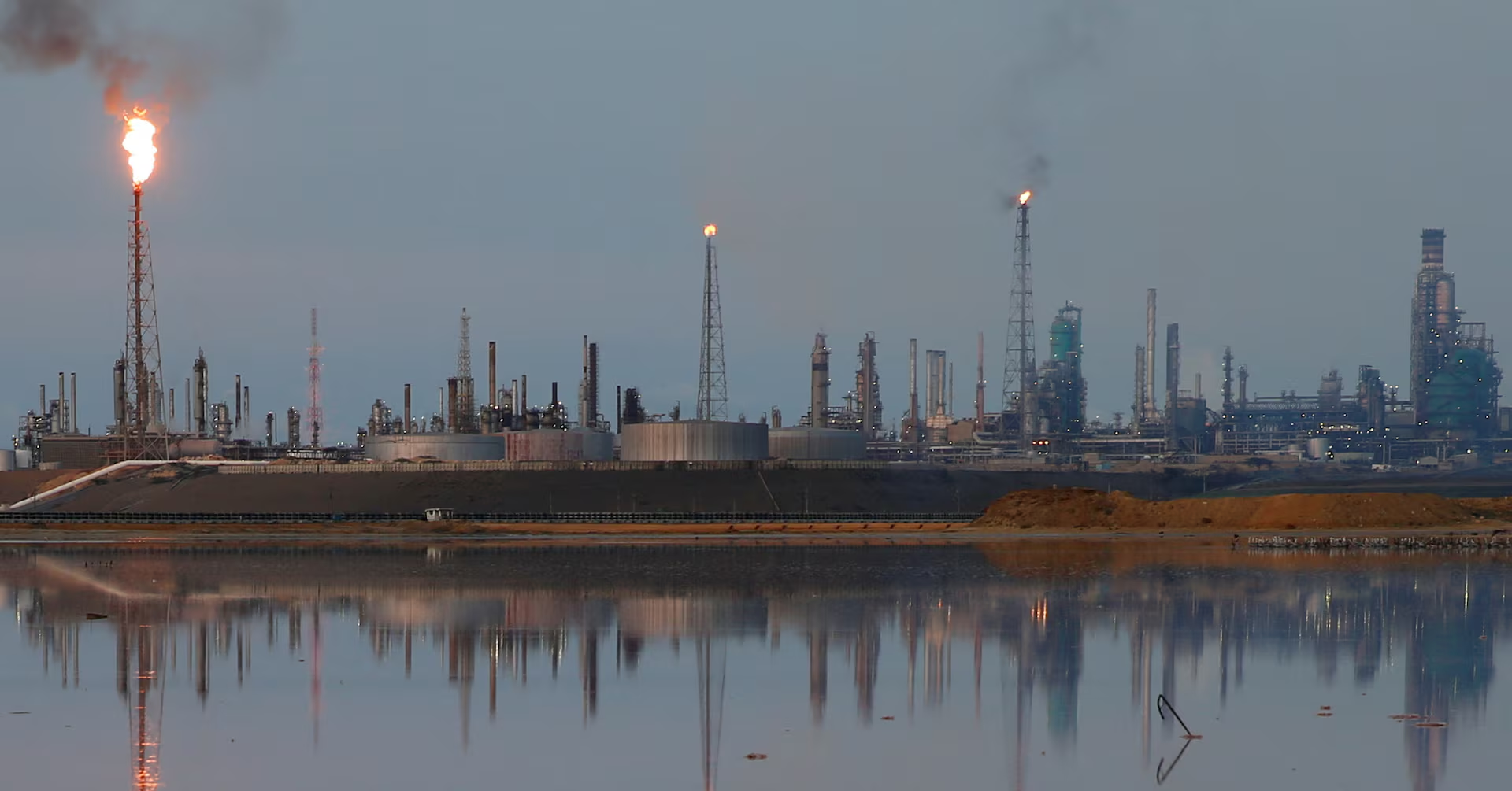
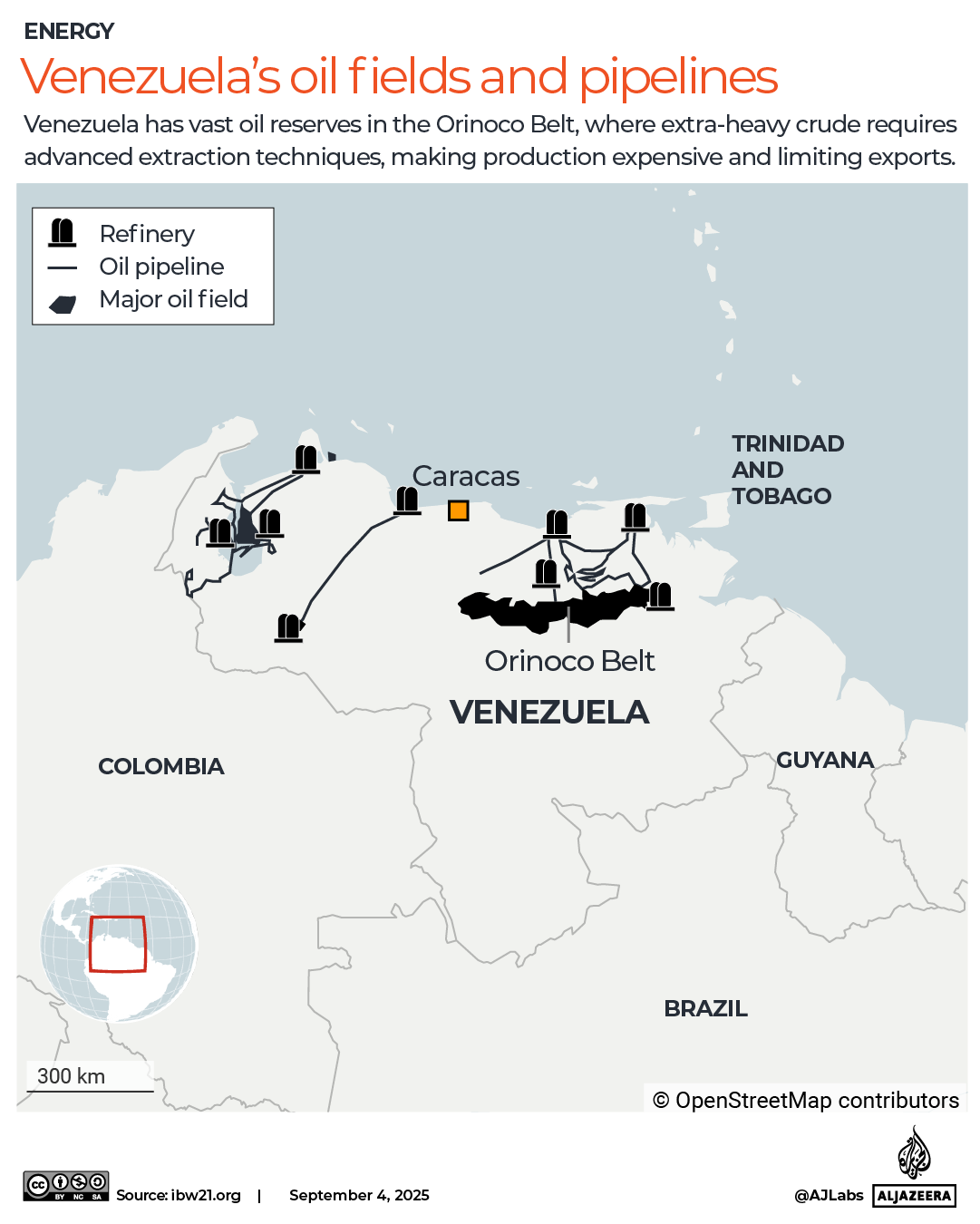
Venezuela’s state oil company, PDVSA, once operated one of the most sophisticated oil industries in the developing world. Today, much of that capacity has eroded. Refineries operate far below capacity, pipelines suffer from corrosion, and skilled engineers have left the country in large numbers.
Oil extraction, especially from Venezuela’s heavy crude reserves, requires constant maintenance and advanced technology. Without it, production quickly declines. For multinational oil companies, rebuilding this infrastructure would require billions of dollars and years of sustained effort.
Sanctions and Legal Uncertainty
U.S. and international sanctions have played a significant role in isolating Venezuela’s oil sector. While some limited licenses have been granted to specific firms, broad sanctions remain in place, creating uncertainty for potential investors.
Companies are wary not only of current restrictions but also of future policy reversals. A change in political leadership in Washington or Caracas could quickly alter the legal landscape. For publicly traded oil companies, such uncertainty represents a major risk to shareholders.
Why Big Oil Is Looking Elsewhere
In the current global energy environment, oil companies have options. New projects in the Middle East, offshore Brazil, and parts of Africa offer relatively stable regulatory frameworks and clearer profit paths. Compared to these alternatives, Venezuela looks like a high-risk investment with uncertain returns.
Additionally, many major oil companies are under pressure from investors to reduce risk exposure and focus on capital discipline. Large, politically complex projects no longer fit easily into corporate strategies shaped by shareholder demands and environmental scrutiny.
The Cost of Restarting Production
Restarting Venezuela’s oil production is not a matter of flipping a switch. Experts estimate that restoring output to even half of its former peak would require tens of billions of dollars. This includes repairing wells, modernizing refineries, upgrading ports, and retraining or replacing lost personnel.
From Big Oil’s perspective, the question is not whether Venezuela has oil, but whether investing there makes economic sense compared to other opportunities. So far, the answer appears to be no.
The Heavy Crude Challenge
Much of Venezuela’s oil is extra-heavy crude, which is expensive and technically challenging to extract and refine. Processing this type of oil requires specialized equipment, often located outside Venezuela. With global refiners increasingly optimized for lighter crude and cleaner fuels, demand for heavy Venezuelan oil is not as strong as it once was.
This structural shift further weakens the business case for large-scale reinvestment.
Energy Transition Pressures
Another major factor shaping Big Oil’s hesitation is the global energy transition. Oil companies are under growing pressure to invest in cleaner energy, reduce emissions, and adapt to long-term declines in fossil fuel demand.
Committing billions to rebuild Venezuela’s oil industry could lock companies into long-term fossil fuel assets at a time when investors are urging caution. Even companies that remain committed to oil production are prioritizing projects with faster returns and lower political risk.
Limited Engagement Instead of Full Commitment
Some companies have chosen a middle path: limited engagement without full-scale investment. For example, Chevron has operated in Venezuela under special licenses, focusing on maintenance and modest production rather than aggressive expansion.
This approach allows companies to keep a foothold in the country without exposing themselves to the full range of risks. However, it does not signal confidence in a rapid or large-scale revival.
Global Oil Markets Are Not Desperate
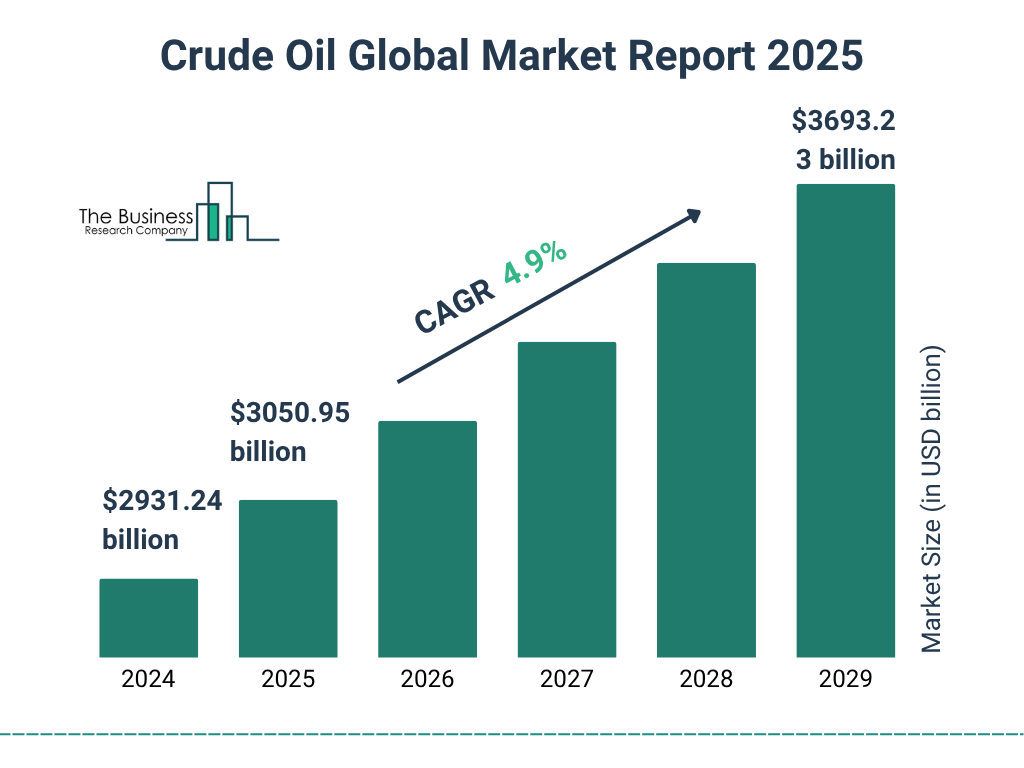
One reason political leaders emphasize Venezuelan oil is the assumption that global markets desperately need new supply. In reality, while oil markets experience volatility, supply has remained relatively resilient thanks to U.S. shale production, OPEC policies, and new offshore projects.
As long as global supply remains adequate, oil companies have little incentive to rush back into one of the world’s most complex energy environments.
Institutional Trust and Governance Issues
Beyond infrastructure and sanctions, governance remains a core concern. Oil companies require clear contract enforcement, transparent tax regimes, and independent courts. Venezuela’s institutional framework has been weakened over years of political turmoil.
Even if a new government promised reforms, companies would likely wait years to see whether those reforms are sustained. Trust, once lost, is slow to rebuild in the energy sector.
Labor and Expertise Gaps
Another overlooked challenge is human capital. Thousands of skilled oil workers have left Venezuela in search of better opportunities abroad. Rebuilding the workforce would require competitive wages, training programs, and long-term stability.
Without experienced engineers and technicians, even well-funded projects can fail. Big Oil understands this risk and factors it heavily into investment decisions.
Political Promises vs. Market Logic
The idea of making Venezuelan oil “great again” resonates politically, especially in discussions about energy independence and geopolitical leverage. Markets, however, operate on different logic. Oil companies answer to boards, investors, and financial models—not campaign slogans.
This gap explains why political optimism has not translated into corporate action.
What Would Change Big Oil’s Mind?
For Big Oil to seriously reconsider Venezuela, several conditions would need to align. These include sustained sanctions relief, stable governance over multiple years, legal guarantees for foreign investors, and clear economic incentives.
Even then, companies would likely move cautiously, starting with small pilot projects before committing large sums.
A Long Road Ahead
Venezuela’s oil wealth remains real, but wealth alone does not generate production. Infrastructure, trust, and capital are equally essential. At present, those elements are still missing.
While political leaders may continue to highlight Venezuela’s potential, Big Oil appears unconvinced that the risks are worth the rewards—at least for now.
Conclusion
The reluctance of major oil companies to embrace a Venezuelan oil revival reflects hard-earned lessons about risk, stability, and long-term strategy. Despite bold political claims, the fundamentals of Venezuela’s oil sector remain deeply challenged.
🔗 More Article:Maduro Speaks-What Did Venezuela’s President Say?
Until those fundamentals change in a lasting and credible way, Big Oil is likely to keep its distance, viewing Venezuela not as a near-term opportunity, but as a long-term question mark in an evolving global energy landscape.