
Why Do I Wake Up Tired Even After 8 Hours of Sleep?
Many people sleep seven or eight hours each night. However, they still wake up feeling tired. As a result, this question has become one of the most searched health topics online.
In 2026, interest in sleep-related fatigue continues to rise. People want to know why rest does not always bring energy. Although sleep time matters, sleep quality and daily habits often play a bigger role.
This article explains why waking up tired is so common. The focus is on awareness and lifestyle factors, not medical diagnosis or treatment.
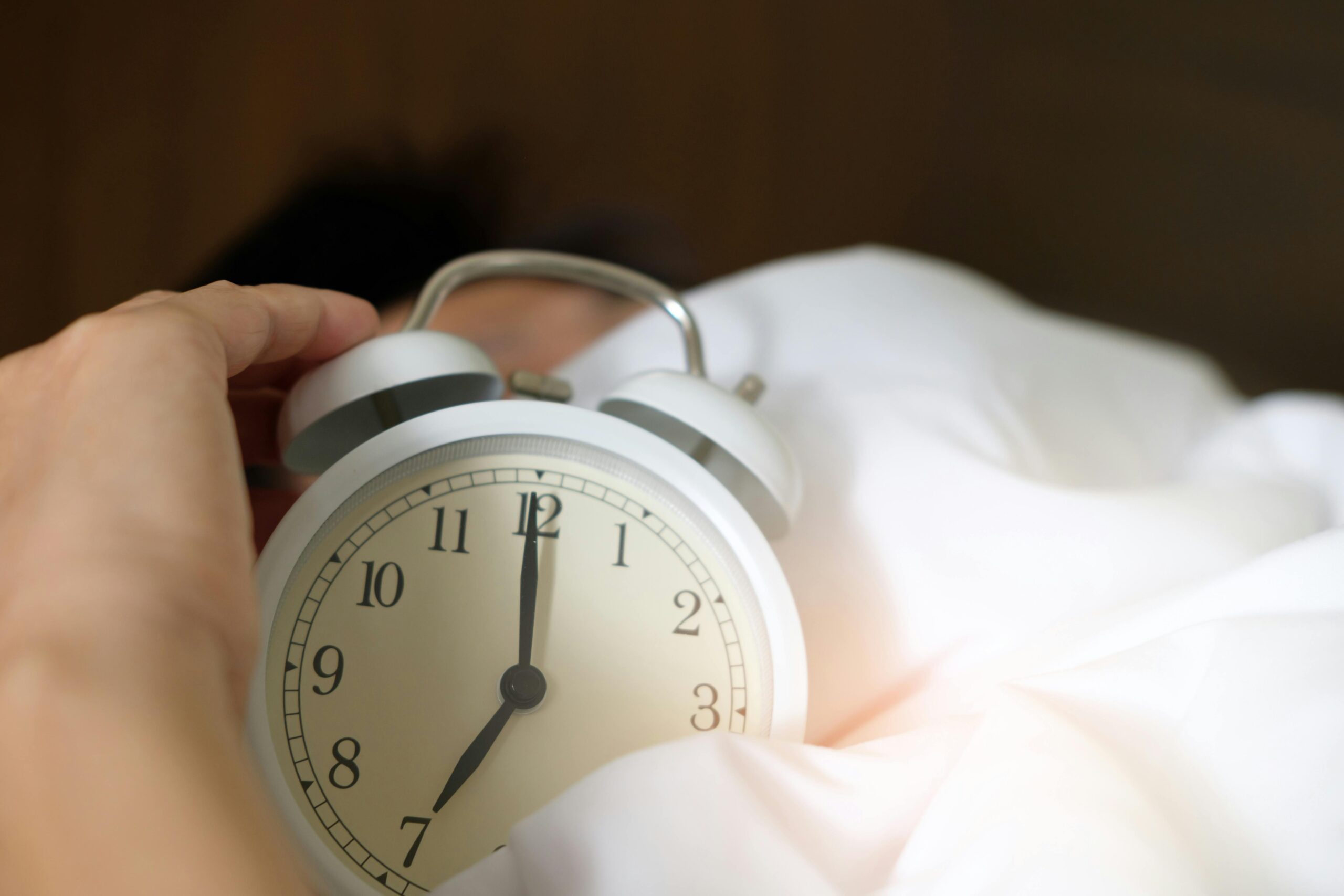
What Does “Waking Up Tired” Really Mean?
Waking up tired does not always mean lack of sleep. In many cases, it means the body did not recover properly during the night.
People who wake up tired often experience:
-
Heavy or slow feeling in the morning
-
Poor focus during the first hours of the day
-
Low motivation after waking
-
Need for caffeine immediately
Because the reason is not obvious, many people feel confused. Therefore, they search for answers online.
1. Interrupted Sleep Cycles
Sleep happens in cycles. Each cycle helps the body and brain recover. However, when these cycles are interrupted, rest becomes less effective.
For example, brief awakenings during the night may not be remembered. Still, they break deep sleep stages.
Common causes include:
-
Noise during the night
-
Light exposure
-
Phone notifications
-
Restless sleep
As a result, the body wakes up before full recovery.
2. Poor Sleep Environment
The sleep environment affects sleep quality more than many people realize.
For instance, a room that is too bright, too warm, or too noisy can reduce deep sleep.
Problems often include:
-
Excess light from screens or windows
-
Uncomfortable bedding
-
Poor air quality
-
High room temperature
Because of this, sleep may feel long but not refreshing.
3. Irregular Sleep Schedule
Going to bed and waking up at different times confuses the body clock.
Although sleeping late once in a while is normal, frequent changes reduce sleep efficiency.
Irregular schedules may include:
-
Sleeping late on weekends
-
Shifting bedtime often
-
Waking up at different hours
As a result, the body struggles to produce energy in the morning.
4. Evening Screen Exposure
Screens emit blue light. This light affects the brain’s sleep signals.
When screens are used late at night, the brain stays alert longer. Therefore, falling into deep sleep becomes harder.
Common sources include:
-
Phones
-
Tablets
-
Laptops
-
Televisions
Over time, this habit leads to waking up tired, even after enough sleep.
5. Mental Stress Before Bed
Sleep begins in the mind. When thoughts stay active, rest becomes shallow.
Stress before bed may come from:
-
Work concerns
-
Personal worries
-
Overthinking daily events
Because of this, the body remains tense during sleep. As a result, recovery is reduced.
6. Late or Heavy Meals
Eating late can affect sleep quality.
For example, heavy meals close to bedtime force the body to digest instead of rest.
This may lead to:
-
Light sleep
-
Night discomfort
-
Early waking
Therefore, meal timing plays a role in morning energy.
7. Dehydration During the Night
Hydration affects sleep more than expected.
Mild dehydration can cause:
-
Dry mouth
-
Head discomfort
-
Restless sleep
Because the body loses water overnight, poor hydration during the day may affect morning energy.
8. Lack of Morning Light
Morning light helps reset the body clock.
When people wake up in dark environments, the brain stays in sleep mode longer.
As a result, energy levels remain low in the morning hours.
Simple exposure to natural light can help the body wake up properly.

When Should Waking Up Tired Be a Concern?
Feeling tired in the morning once in a while is normal. However, waking up tired every day for weeks should not be ignored.
Tracking patterns can help, such as:
-
Sleep times
-
Evening habits
-
Stress levels
-
Screen use
Awareness often reveals hidden causes.
For general sleep guidance, organizations like the National Sleep Foundation explain how sleep quality affects daily energy.
(External link example: sleepfoundation.org)
Simple Ways to Improve Morning Energy
Small changes can improve how the body feels after sleep.
For example:
-
Keep the same sleep schedule daily
-
Reduce screen use before bed
-
Create a calm sleep environment
-
Get morning light exposure
-
Stay hydrated during the day
Over time, these habits support better recovery during sleep.
Why This Topic Matters in 2026
Remote work, screen use, and high stress levels continue to rise. Because of this, sleep quality has declined worldwide.
As a result, questions about waking up tired remain among the most searched health topics online.
Understanding daily habits is often the first step toward better energy.
-
National Sleep Foundation
👉 https://www.sleepfoundation.org -
Mayo Clinic – Fatigue & Sleep
👉 https://www.mayoclinic.org/symptoms/fatigue -
NHS – Tiredness
👉 https://www.nhs.uk/conditions/tiredness-and-fatigue/