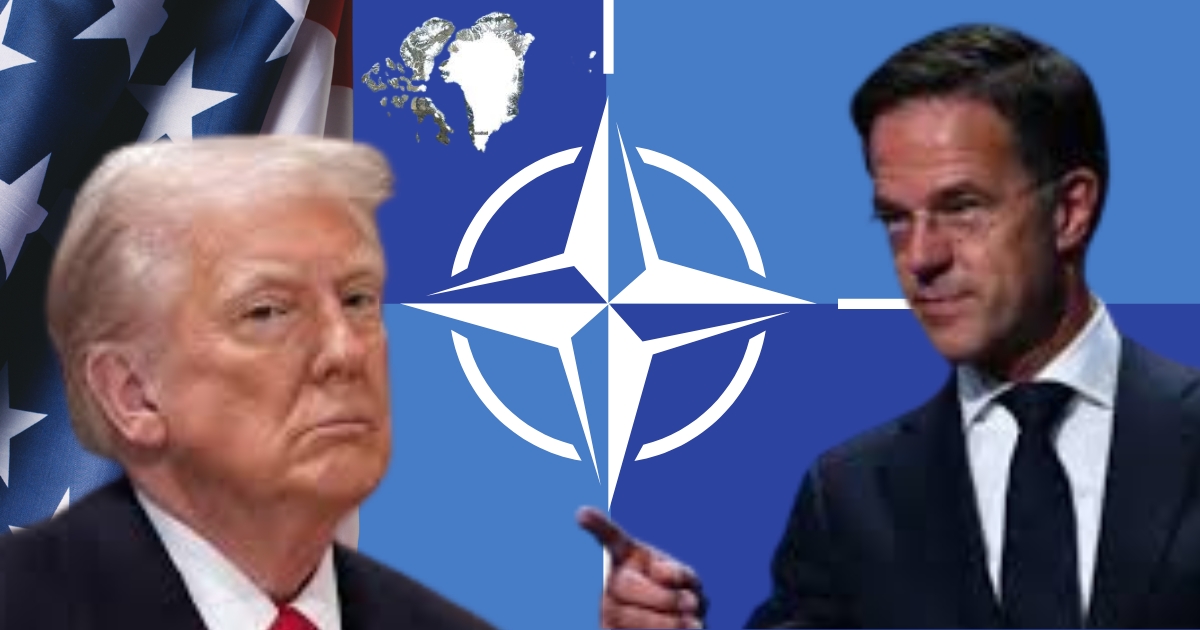
NATO Official Issues Stark Warning to the U.S. Over Greenland
Tensions between the United States and Europe have escalated after a senior NATO-linked official issued a dramatic warning regarding Greenland. Amid renewed speculation that former U.S. President Donald Trump could pursue control over the Arctic island, even through military means, concerns are growing about a potential fracture within the transatlantic alliance.
The warning comes at a sensitive moment for NATO, as geopolitical competition in the Arctic intensifies and global security dynamics shift rapidly heading into 2026.
NATO Expansion Committee Chair Responds to Greenland Claims
🔗Europeans should act on Greenland issue — Le Monde
https://www.lemonde.fr/en/opinion/article/2026/01/09/instead-of-commenting-on-the-unthinkable-europeans-should-take-action-in-greenland_6749234_23.html
Gunther Fehlinger, Chairman of the NATO Expansion Committee in Austria, delivered a sharp message to Washington in response to online claims suggesting that the United States might consider annexing Greenland. His remarks were shared widely on social media and quickly sparked international debate.
Fehlinger warned that any attempt by the U.S. to seize Greenland would lead to immediate and severe consequences, including the confiscation of American military bases across Europe. According to him, such a move would fundamentally alter the balance of power established since World War II.
“If You Take Greenland, You Must Leave Europe”
In a video published online, Fehlinger stated that if the U.S. were to annex Greenland, European nations would respond decisively. He claimed that all American military installations across the continent would be taken over, forcing U.S. forces to withdraw entirely from Europe.
He specifically referenced major bases stretching from southern Europe to Central and Eastern Europe, arguing that the United States would lose the strategic positions that have underpinned its global influence for decades.
The Strategic Importance of U.S. Bases in Europe
American military bases in Europe have long been considered a cornerstone of Western security. Facilities in Italy, Germany, Romania, and other NATO member states play a critical role in deterrence, logistics, and rapid response operations.
Analysts warn that losing access to these bases would severely weaken Washington’s ability to project power beyond North America. It would also reshape Europe’s security architecture, forcing EU nations to accelerate plans for military autonomy.
Social Media Video Goes Viral on X and Reddit
https://apnews.com/article/2b12bb104faaaafda2ed270febfb0522
Fehlinger’s video rapidly circulated on X and Reddit, drawing millions of views and sparking polarized reactions. Supporters praised the firm stance, while critics questioned whether the remarks reflected official NATO policy or personal opinion.
The viral spread of the video highlights how geopolitical messaging increasingly unfolds online, often blurring the line between official diplomacy and political signaling.
Response to Provocative Pro-Trump Post
The Austrian politician was responding in part to a post shared by MAGA-aligned podcaster Katie Miller. She posted an image of Greenland overlaid with the U.S. flag, accompanied by the caption “Coming soon,” a message widely interpreted as provocative.
Fehlinger addressed Miller directly, insisting that Europe could defend itself independently. He emphasized that European nations no longer rely solely on American nuclear protection or U.S. troops stationed on the continent.
Europe’s Growing Push for Strategic Autonomy
Fehlinger’s comments reflect a broader trend within Europe toward strategic independence. In recent years, several European leaders have argued that the continent must be capable of defending itself without total reliance on U.S. military power.
Initiatives focused on joint defense procurement, increased military spending, and rapid reaction forces have gained momentum, particularly amid uncertainty over future U.S. foreign policy direction.
Greenland’s Rising Geopolitical Value
Greenland has become increasingly important due to its strategic Arctic location, rare earth resources, and proximity to emerging polar shipping routes. As climate change accelerates ice melt, the island’s economic and military significance has grown substantially.
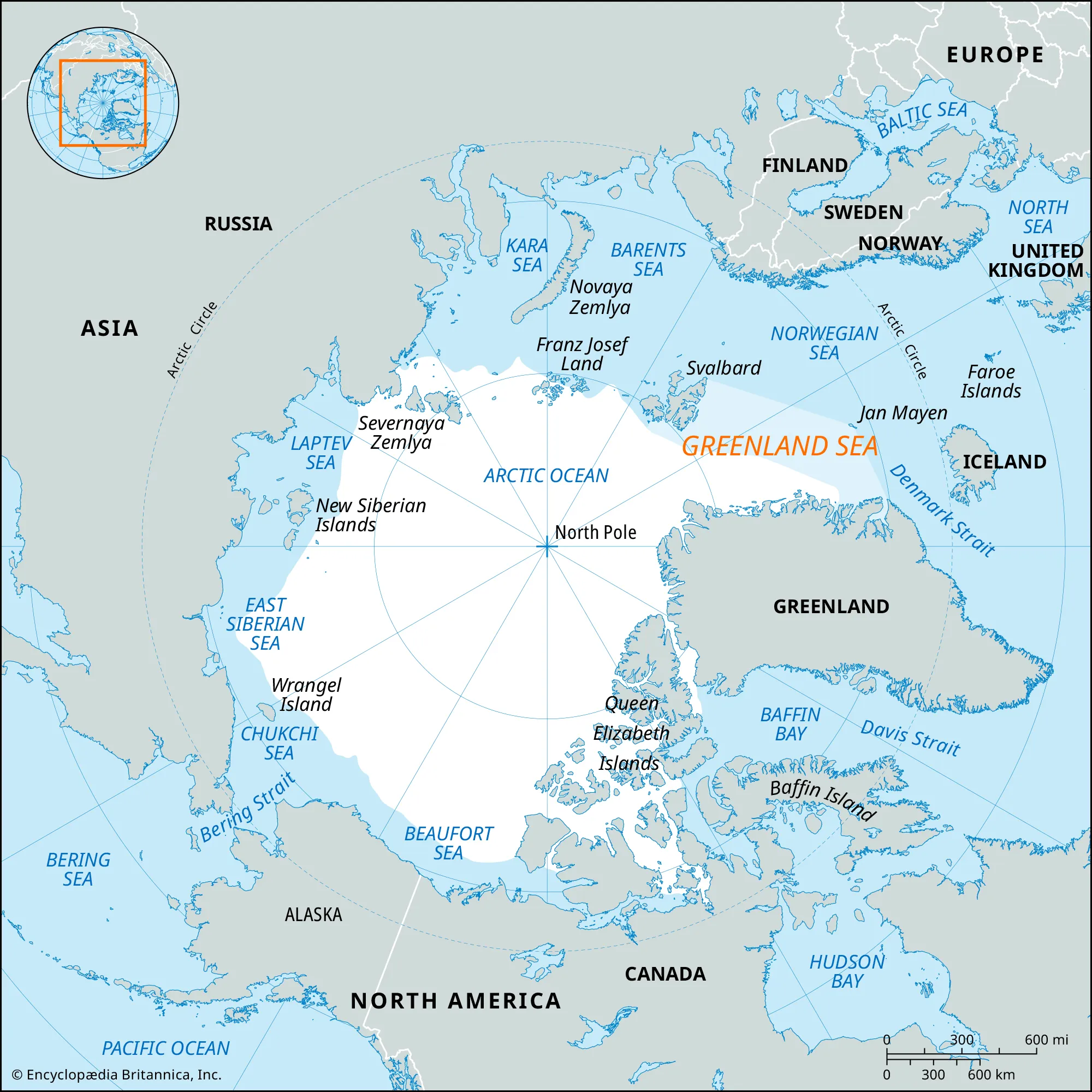
Experts note that control over Greenland would provide unmatched strategic leverage in the Arctic, a region now central to competition between global powers including Russia, China, and the United States.
Could a Greenland Move Break NATO?
Several European officials have warned that any unilateral U.S. move to take Greenland could trigger a crisis within NATO. Such an action would violate the principles of alliance consensus and respect for sovereignty that underpin the organization.
Some analysts argue that this scenario could even lead to the fragmentation of NATO, reshaping global security alliances and weakening Western unity at a time of increasing global instability.
International Reactions and Expert Warnings
Security experts quoted by major international outlets caution that the rhetoric surrounding Greenland must be taken seriously. Even if symbolic, such statements can escalate tensions and provoke miscalculations among allies.
They warn that political posturing ahead of the 2026 election cycle could intensify, making Greenland a flashpoint in a broader struggle over Arctic dominance and transatlantic leadership.
What This Means for the U.S.–Europe Relationship
The controversy underscores growing uncertainty about the future of U.S.–European relations. Trust built over decades could erode quickly if allies perceive Washington as acting unilaterally or disregarding European security concerns.
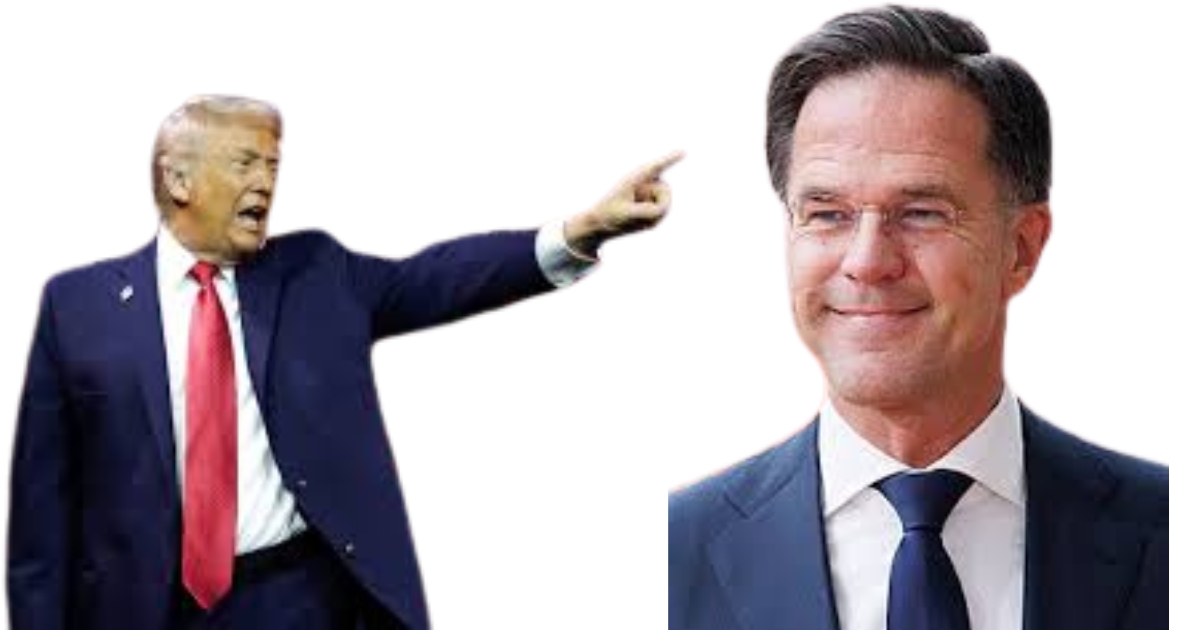
For Europe, the message is clear: prepare for a future where American guarantees may no longer be unconditional. For the U.S., the warning serves as a reminder that alliances are based on cooperation, not coercion.
Conclusion: A Warning That Resonates Beyond Greenland
Gunther Fehlinger’s warning may not represent official NATO policy, but it has resonated across Europe and beyond. The Greenland debate has become a symbol of deeper anxieties about power, sovereignty, and the future of Western alliances.
🔗: https://sumlera.com/what-trumps-greenland-idea-really-was-a-100k-offer/
As 2026 approaches, geopolitical observers agree on one thing: decisions made around Greenland could have consequences far beyond the Arctic, potentially redefining the global balance of power for years to come.